

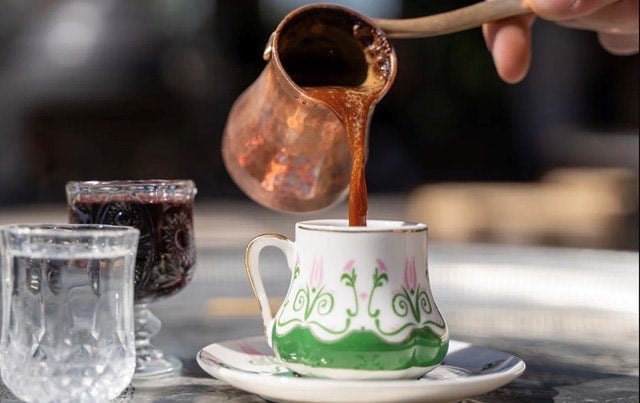
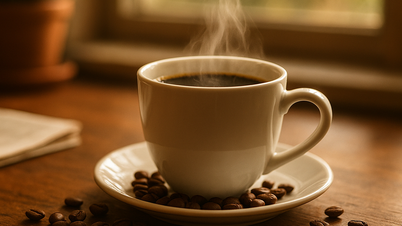
Recently in Dubai, the United Arab Emirates unexpectedly set a new record when a cup of coffee was sold for nearly 1,000 USD, becoming the most expensive coffee in the world . This special drink is made from Nido 7 Geisha beans grown in Panama, a type of bean that was recently auctioned for a record price of 2.2 million Dirhams (about 600,000 USD) for 20 kg.
Coffee connoisseurs consider Nido 7 Geisha to be the “gems” of the specialty coffee world. Nido 7FC Panama brand coffee is currently served at Julith Coffee, located in the Al Quoz industrial area. This destination is also considered the new “paradise” for coffee lovers in Dubai.
Meanwhile, Kopi Luwak coffee, also known as civet coffee in Indonesia, is also famous as one of the most expensive in the world. The coffee beans are eaten, digested and excreted by the spotted palm civet. After being washed and processed, the coffee will have a special unique flavor thanks to digestive enzymes that reduce acidity, resulting in a milder cup of coffee.
According to some scientific studies, the civet's digestive system will help reduce the bitterness and increase the fullness of the coffee. Indonesian people are always aware that coffee is a drink that makes them proud. Most coffee shops today use local coffee, instead of imported coffee.
In 2025, Europe will continue to be the center of world coffee consumption, reflecting the habit of maintaining people with a long tradition of drinking coffee. In Türkiye, coffee is not just a drink, but also a ritual, a conversation and a historical heritage of nearly 500 years, recognized by UNESCO as an intangible cultural heritage of humanity.
Mr. Seden Doğan, Associate Professor at the University of South Florida (USA) and a native of Safranbolu, northern Türkiye, said that Turkish coffee is not just a drink, but also a bridge that brings opportunities for sharing between people.
Nowadays, coffee has created stories that connect and confide in people in Türkiye. Like many other countries, when two friends who have not been apart for a long time want to talk, they often say: “Let’s have coffee together”.
The Turkish coffee-making ritual is also precise and meticulous, involving a small, long-handled pot called a cezve, placed over a stove, preferably hot coals or sand. Fine coffee grounds are slowly boiled to release the rich flavor and create a fine foam, considered a sign of quality.
When the cup is empty, it is time to perform the ritual of tasseography - an ancient form of divination based on the interpretation of symbols and patterns created by the coffee grounds left in the cup after the water is drunk. For Türkiye, coffee comes with a bit of destiny, and has become a unique cultural feature in the lives of the people of this country.
For the French, the romantic element also appears in coffee culture. France is one of the pioneers in the process of popularizing coffee beans, and at the same time contributed to the commercialization of coffee beans from the early days.
Nowadays, from small alleys, markets to bustling commercial areas in France, small, romantic cafes are everywhere. The French have the habit of drinking morning coffee with baguette or croissant. Coffee drinking culture in France is associated with the familiar saying “sit down, sip and enjoy”.
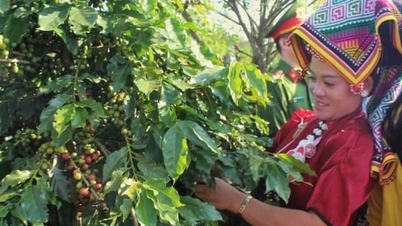
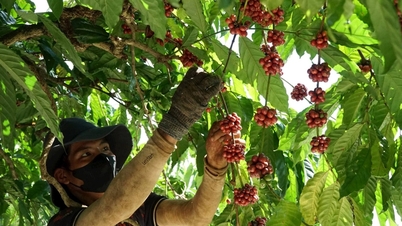
In terms of total coffee production, Vietnam is currently the second largest coffee producer and exporter in the world, behind only Brazil. For a long time, Vietnamese people have been associated with traditional coffee culture, filter coffee or specialty coffee.
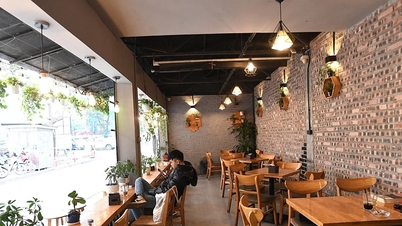
Every morning in Vietnam, coffee shops usually open early, ready to serve customers sitting next to a cup of filter coffee or a glass of iced milk coffee, enjoying the first drink of the day, chatting, watching the streets or reading the news.
Traditional Vietnamese coffee is brewed in a phin (phin filter) placed over a cup or pot. Many people like to stir a spoonful or two of sweetened condensed milk into the strong brew.
It’s that simple, but it’s a unique coffee culture that’s enough to make international tourists always excited and experience it every time they come to Vietnam. Coffee culture and also a part of local culture originate from such simple things in countries where coffee is an indispensable drink in daily life.
Source: https://baovanhoa.vn/the-gioi/van-hoa-ca-phe-o-mot-so-nuoc-tren-the-gioi-186611.html


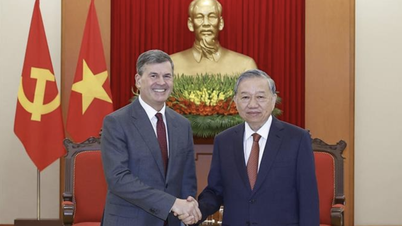
![[Photo] General Secretary To Lam receives the Director of the Academy of Public Administration and National Economy under the President of the Russian Federation](/_next/image?url=https%3A%2F%2Fvphoto.vietnam.vn%2Fthumb%2F1200x675%2Fvietnam%2Fresource%2FIMAGE%2F2025%2F12%2F08%2F1765200203892_a1-bnd-0933-4198-jpg.webp&w=3840&q=75)




































































Comment (0)