

Implementation roadmap from 2027 to 2030
According to information from the Department of Environment under the Ministry of Agriculture and Environment , the emission testing roadmap will be implemented in phases. Specifically, testing will begin in Hanoi and Ho Chi Minh City from July 1, 2027, then expand to other centrally-governed cities from July 1, 2028, and finally be implemented nationwide from July 1, 2030.
According to Ho Kien Trung, Deputy Director of the Department of Environment, many countries around the world have successfully implemented vehicle emissions testing, and Vietnam is gradually building a roadmap to implement this.
Currently, the Department of Environment is seeking feedback from the Ministry of Agriculture and Environment before submitting it to the Ministry of Justice for appraisal, and then presenting it to the Prime Minister for the issuance of the official roadmap.
Emission testing policies are expected to contribute to improving air quality in major cities, protecting public health, and moving towards a sustainable future. This is also part of Vietnam's strategy for developing green transportation and reducing environmental pollution.
The implementation of mandatory emissions testing will directly impact millions of vehicle owners nationwide. This is not only a technical requirement but also a social responsibility of every citizen in protecting the environment.
From an economic perspective, implementing this policy will create a new service market and boost the development of the vehicle inspection and maintenance industry. Businesses in this sector will have the opportunity to expand their operations, create more jobs, and contribute to economic growth.
Challenges related to inspection infrastructure.
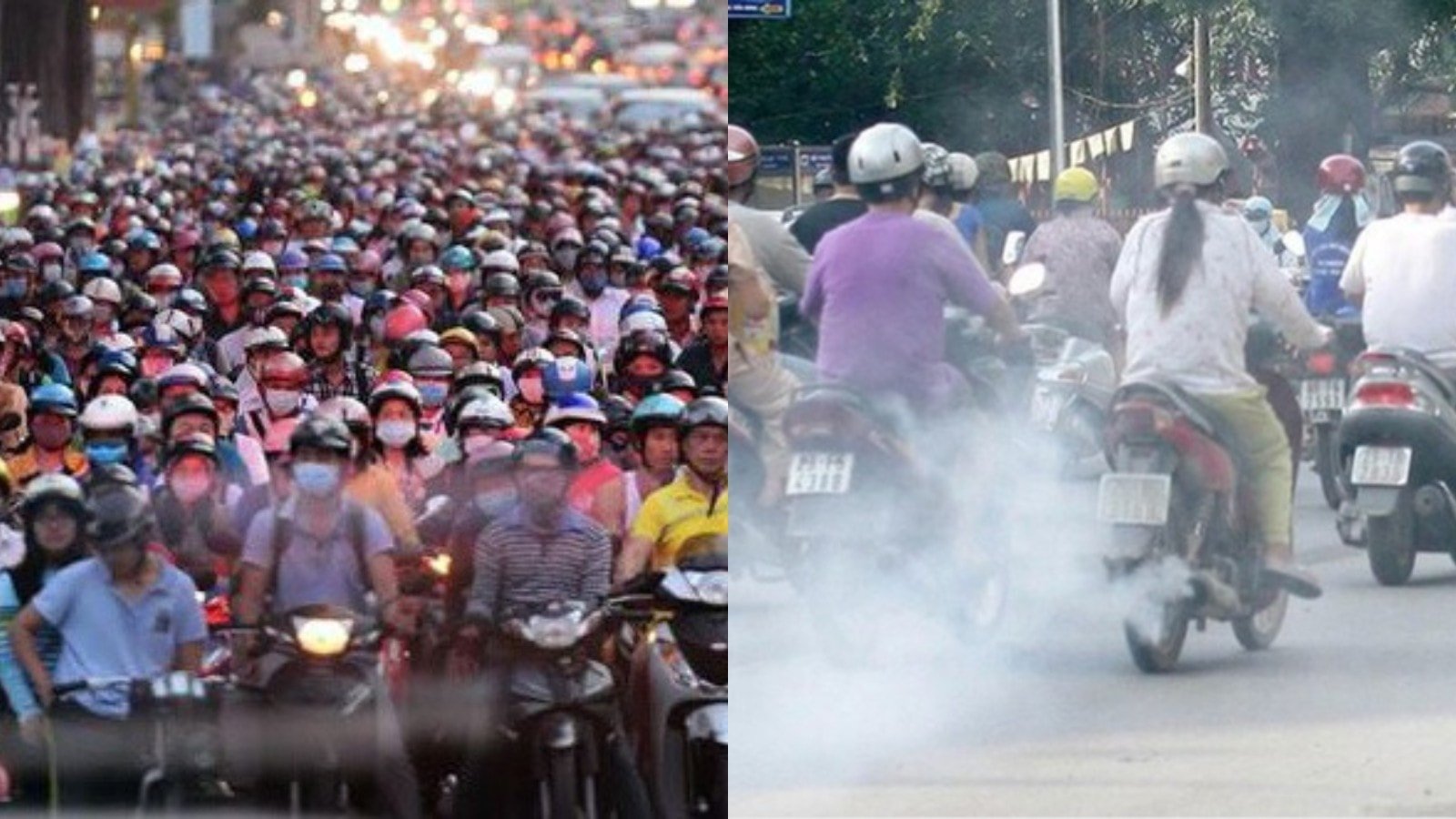
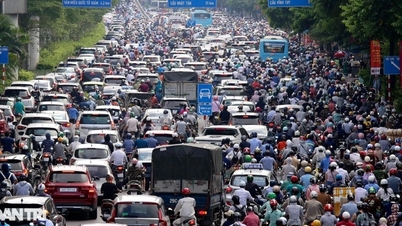
One of the biggest challenges in implementing emissions testing is the infrastructure issue. According to statistics, Hanoi currently has approximately 5.6 million motorbikes, while Ho Chi Minh City has as many as 8.5 million. However, the entire country currently only has 282 emissions testing centers, with Hanoi having 31 and Ho Chi Minh City having 39.
To address this issue, the Department of Environment stated that it will promote the socialization of inspection work by establishing inspection centers at dealerships and maintenance facilities to expand scale and ensure implementation progress.
During the drafting process, experts proposed various options. One suggestion was to implement a phased inspection process, meaning inspections would be conducted in groups of used vehicles, starting with those from 2008 and earlier, and gradually expanding to later models.
However, this approach could have significant limitations. According to the Environmental Protection Agency's assessment, if the inspection method is applied to each group of used vehicles, the implementation process could take 7-10 years, leading to delays and a lack of uniformity in emission control.
The success of this policy will depend on coordinated efforts among government agencies, businesses, and the public. Thorough preparation in terms of infrastructure, human resources, and implementation mechanisms will ensure a smooth and effective implementation process.
Source: https://baonghean.vn/siet-kiem-dinh-khi-thai-hang-trieu-xe-may-cho-len-ban-mo-10301729.html



























































































Comment (0)