

According to information from the Information Security Department ( Ministry of Information and Communications ), the number of cyberattack incidents on information systems in Vietnam in October 2024 was 204, a decrease of 18.4% compared to the previous month and 79.8% compared to the same period last year.
As can be seen, in the last three months, the number of cyberattack incidents on systems in Vietnam has continuously decreased, from 349 incidents in August, to 250 incidents in September, and further down to 204 incidents in October.
From the beginning of 2024 to the end of October, Vietnam experienced 4,483 cyberattack incidents, a decrease of more than 57% compared to the same period in 2023 (10,513 incidents).
Notably, the number of attacks has decreased for three consecutive months, indicating an improvement in the awareness and actions of domestic organizations and businesses regarding information security.
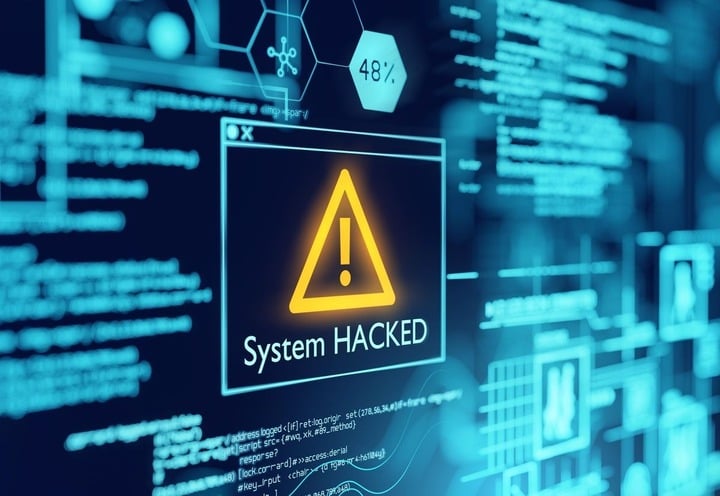
Since the beginning of the year, Vietnam has experienced 4,483 cyberattack incidents. (Illustrative image)
While the number of cyberattacks has tended to decrease, the sophistication and danger of these attacks are perceived to be increasing.
In fact, in the first few months of this year, Vietnam's cyberspace also witnessed critical information systems containing large amounts of data from businesses and organizations operating in key sectors such as telecommunications, energy, securities, and logistics being attacked by ransomware.
Ransomware attacks targeting businesses and organizations in Vietnam have seriously impacted operations, caused economic losses, and damaged the reputation of these entities.
According to a representative from the Cybersecurity Department, this serves as a warning as international cybercriminals increasingly target Vietnamese businesses.
Representatives from the Department of Information Security also emphasized that, in the context of continuously developing and increasing cybersecurity threats in cyberspace, agencies, organizations, and businesses must always be vigilant and constantly improve their information security capabilities and ability to prevent and combat threats.
To proactively address these risks, the Information Security Department recommends three main groups of solutions: having an effective response plan, investing appropriately in information security, and regularly practicing response plans.
Specifically, units need to develop comprehensive information security plans, including measures for monitoring, protecting, and recovering from system breaches. These plans must comply with legal regulations and guidelines from the Ministry of Information and Communications.
Organizations and agencies are encouraged to allocate approximately 10% of their IT budget to ongoing security tools and expenses, ensuring reasonable and continuous investment in information security solutions.
Organizations also need to develop comprehensive information security plans for their businesses, encompassing measures ranging from monitoring and detection to protection, rapid response, and system recovery after incidents.
Prioritizing offline data backup and system recovery within 24 hours of an incident is also crucial to minimizing the impact of attacks. The Information Security Department affirms that systems will only be officially put into operation when their information security is fully guaranteed.
Source


![[Photo] Prime Minister Pham Minh Chinh holds a phone call with the CEO of Russia's Rosatom Corporation.](/_next/image?url=https%3A%2F%2Fvphoto.vietnam.vn%2Fthumb%2F1200x675%2Fvietnam%2Fresource%2FIMAGE%2F2025%2F12%2F11%2F1765464552365_dsc-5295-jpg.webp&w=3840&q=75)


























































































Comment (0)