

The draft Law on Land (amended) is considered a key focus in the legislative work of the entire 15th National Assembly term. First submitted to the National Assembly for comments at the 4th session, it is expected to be submitted for comments again at the 5th session of the 15th National Assembly (May 2023). The law is scheduled to be passed by the National Assembly at the 6th session (October 2023).
The prominent issues of the revised Land Law project currently under consultation include: the rights of land users and their legal relationships; land use planning and plans; financial issues; land prices; and land clearance.
One of the issues of concern for businesses investing in localities, especially those with industrial zones, is how to easily access land. Regarding this matter, Nguoi Dua Tin (NĐT) had an interview with Dr. Tran Cong Phan, Vice President and General Secretary of the Vietnam Lawyers Association, and Member of the 15th National Assembly.
Interviewer: The amended Land Law has been initially reviewed by the National Assembly and widely circulated for public opinion. Could you please assess the public feedback process on the draft law up to this point?
Dr. Tran Cong Phan: The provisions of the Land Law relate to almost all economic , social, and human rights and civil rights areas, so amending the Law will involve many other laws (according to statistics, it involves 112 different laws).
The Vietnam Lawyers Association is a socio- political and professional organization tasked with participating in the development and critique of policies and laws. Simultaneously, as a member of the drafting committee, from the time the draft Law was not yet submitted to the National Assembly until its initial submission, we organized numerous workshops to gather feedback on the draft Land Law (amended). These workshops also gathered many contributions from scientists, jurists, lawyers, and legal experts.
Through this process, the Lawyers Association has been able to gather and truthfully reflect the opinions of scientists and experts to the National Assembly and competent authorities in the process of amending laws.
We all hope that when amending the Land Law, the obstacles and difficulties encountered through the review of practical implementation of the law will be overcome, better serving socio-economic development, and especially that the amendment of the law must ensure a harmonious balance of interests of all participating parties and social entities related to land in general and land use rights in particular.
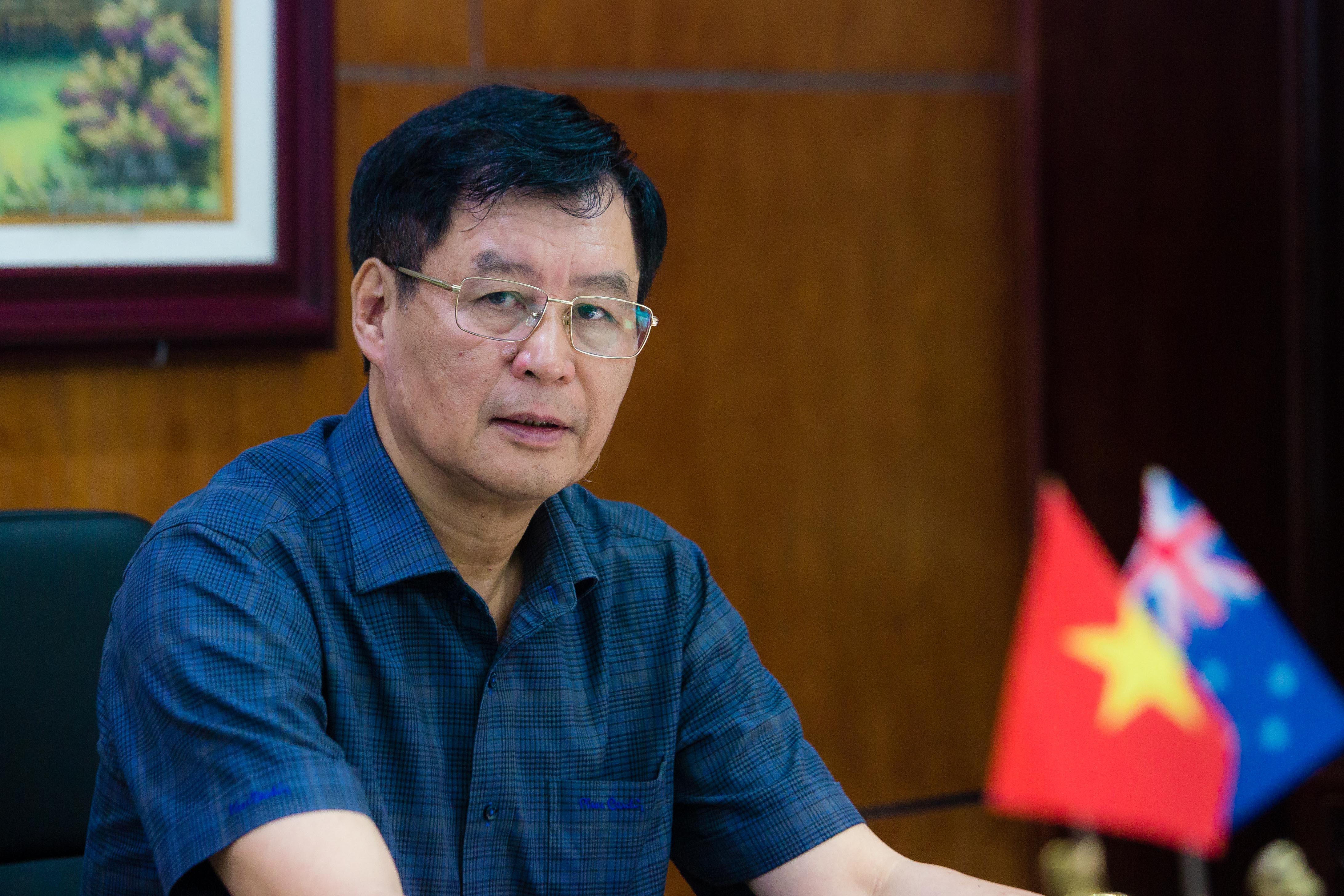
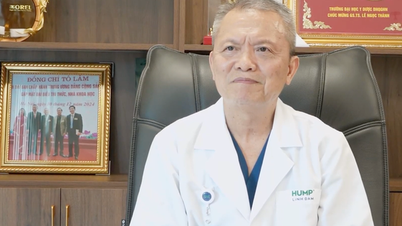
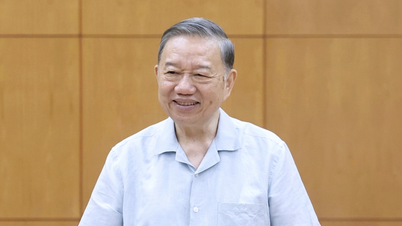
Dr. Tran Cong Phan, Vice President and Secretary General of the Vietnam Lawyers Association, and Member of the 15th National Assembly, spoke with a reporter.
Investor: Could you please tell us how the amendment to the Land Law will help remove obstacles so that businesses in the provinces, especially those with industrial zones, can more easily access land?
Dr. Tran Cong Phan: In practice, the legal framework related to land leasing in industrial zones has revealed quite a few shortcomings; the guiding documents for implementing the regulations in the 2013 Land Law and related laws are still unclear and lack consistency... This leads to inconsistent application of regulations in localities with industrial zones, causing difficulties in accessing land for both investors and land lessees.
Regarding this issue, the draft amended Land Law already stipulates the responsibility of investors constructing and operating infrastructure in industrial zones and clusters to allocate a percentage of land area for the State to implement land policies (Article 168 of the draft amended Land Law):
It is necessary to require investors to allocate land for the provincial People's Committee or the investor of the industrial park or cluster to build and operate infrastructure for small and medium-sized enterprises and facilities relocated due to environmental pollution to lease land or receive other support policies.
However, local authorities need to be empowered to determine the appropriate methods of supporting these entities, tailored to the specific realities of each locality. Simultaneously, specific regulations regarding conditions, criteria, and procedures should be established to ensure businesses can access this land openly and transparently, avoiding a "request-and-grant" mechanism.
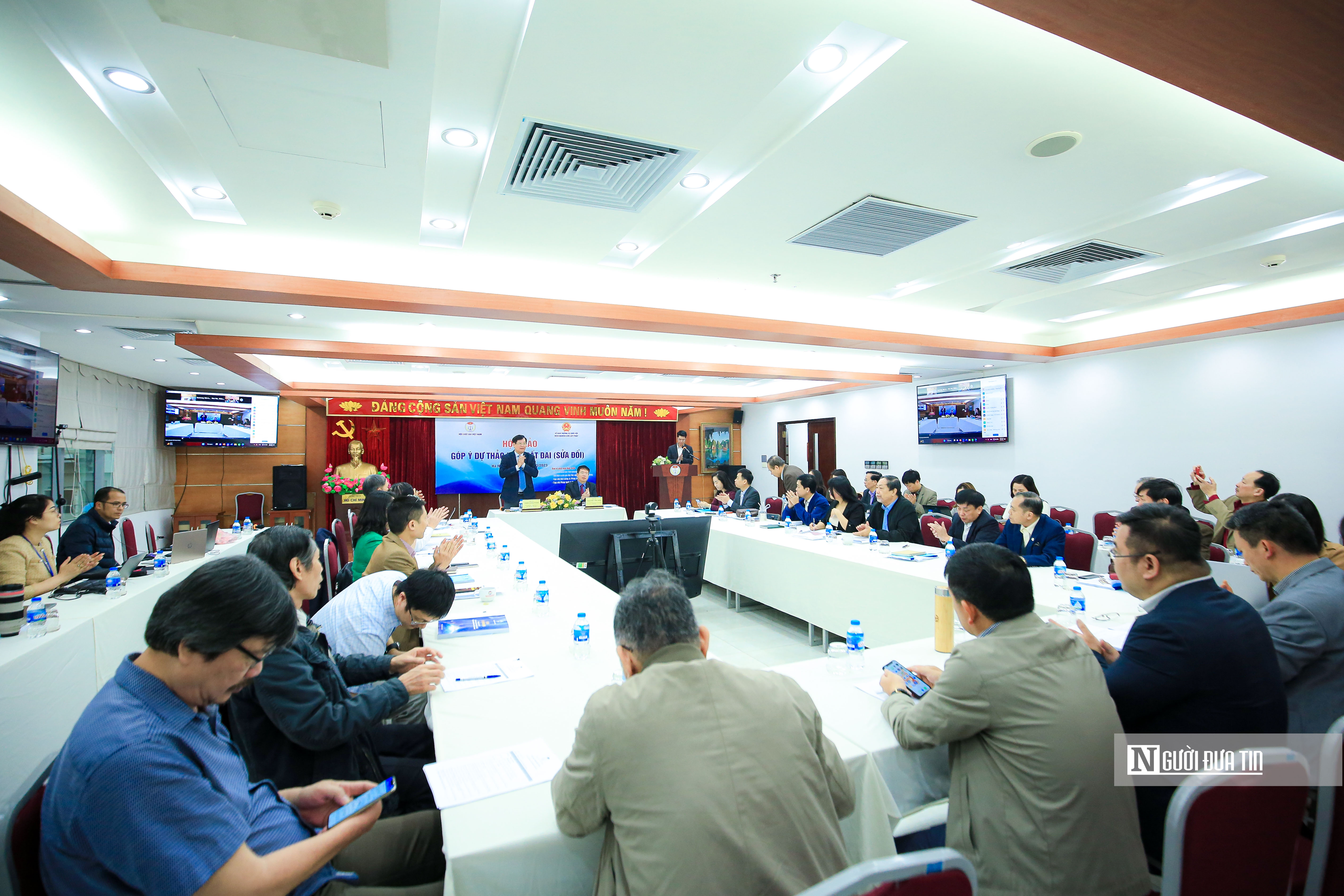
The Vietnam Lawyers Association has organized numerous workshops to gather feedback on the draft amended Land Law.
Interviewer: In your opinion, what kind of incentives will amending the Law create for the development of industrial provinces such as Thai Nguyen, Bac Giang, Bac Ninh, etc.?
Dr. Tran Cong Phan: I believe that amending the Land Law will not only resolve existing difficulties and obstacles, reduce legal risks for both management agencies and businesses, but also contribute to unlocking resources for development and promoting investment and business activities. This will boost growth and create more jobs for people in the area, especially in localities with industrial parks and clusters such as Thai Nguyen, Bac Giang, and Bac Ninh…
Investor: Looking at Thai Nguyen province, which has the advantage of being located within the Capital Region, a rapidly increasing urbanization rate, and modern transportation infrastructure, Thai Nguyen real estate is highly valued by investors for its good profit potential and high liquidity. In your opinion, what needs to be done to make Thai Nguyen in particular, and provinces with industrial clusters and industrial parks in general, increasingly attractive to investors?
Dr. Tran Cong Phan: There are many things to do, but first and foremost, we need to amend the Land Law to create economic development and promote investment and business activities. In particular, the amendment of the law needs to consider several important regulations related to the operations of businesses. For example, the transition from one-time land lease payments to annual land lease payments needs to ensure stability and convenience for businesses. This is because, according to the current Land Law, the rights of land users paying annually are significantly more limited than those paying a lump sum. In reality, some localities have already seen increases in land lease fees (due to fluctuating land prices), affecting the business plans of enterprises that lease land with annual payments.
Furthermore, if fundamental issues such as land leasing, land use rights auctions, and land-use project bidding are reformed, it will open doors for investors to do business in localities. This will simultaneously create momentum for local economic development, ensure employment for local people, and contribute to the overall development of the national economy.
At the same time, many provisions of the Land Law are closely related to other business laws such as: the Investment Law, the Construction Law, the Housing Law, the Real Estate Business Law, the Urban Planning Law, the Planning Law, the Civil Code, etc. Therefore, when drafting or amending the Land Law, it is necessary to consider amending related laws in a coordinated manner to ensure consistency and limit overlaps that hinder or obstruct investment and business activities.
Currently, laws such as the Housing Law, the Real Estate Business Law, and the Bidding Law are being drafted and opinions are being sought regarding amendments and additions. This presents an opportunity to address remaining conflicts and inconsistencies between laws, ensuring consistency within the business legal system, which will directly impact investment projects of businesses.
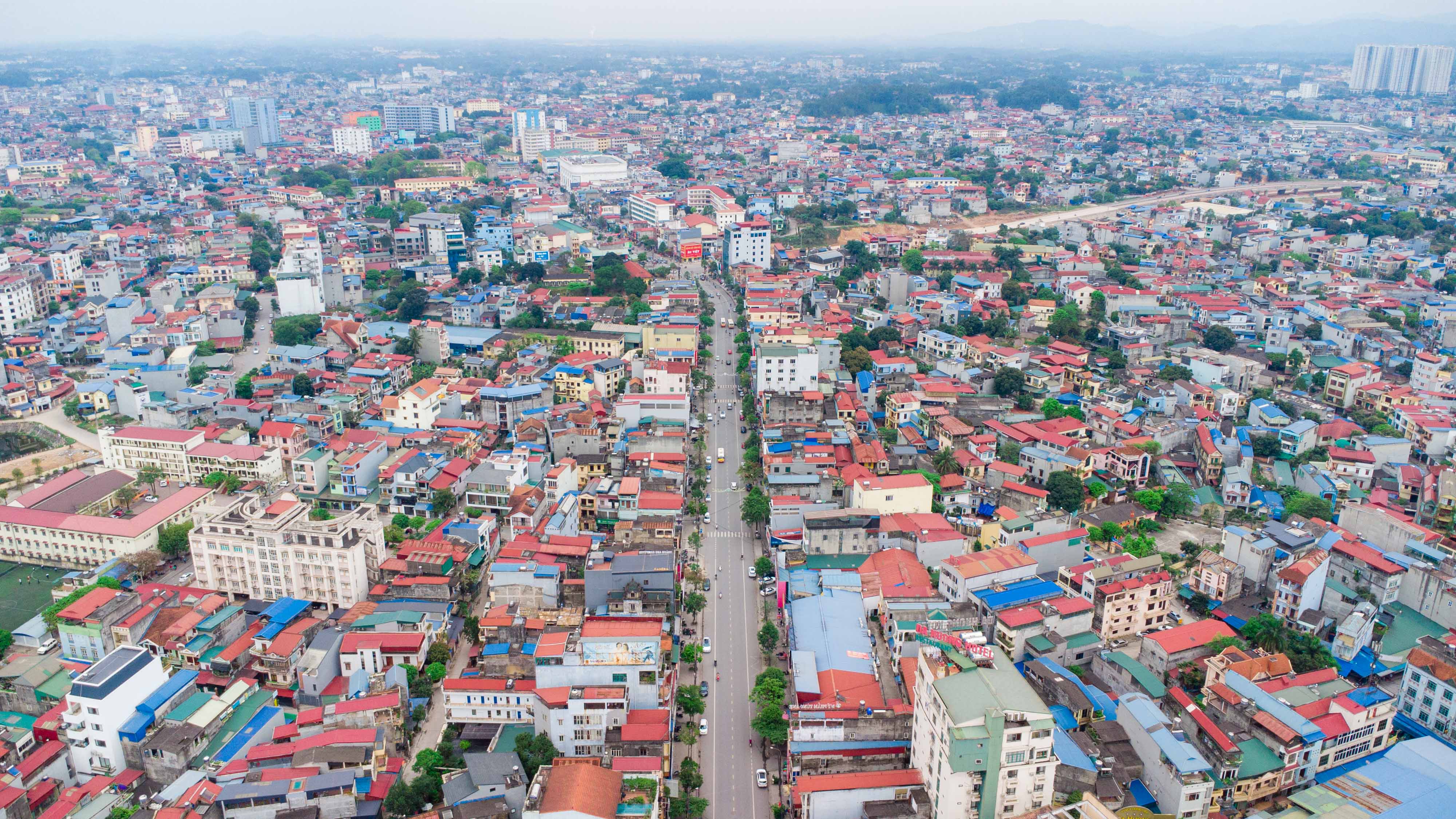
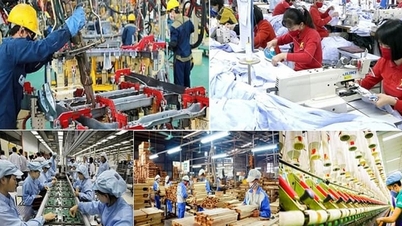
Amending the Land Law will help unlock resources to promote the development of industrial provinces.
Interviewer: Resolution No. 11-NQ/TW dated February 10, 2022, of the Politburo on the direction of socio-economic development and ensuring national defense and security in the midland and mountainous regions of Northern Vietnam until 2030, with a vision to 2045, sets the goal that Thai Nguyen, Bac Giang, Lao Cai, Son La, and Lang Son should be growth poles and regional economic centers. So, in your opinion, what short-term and long-term goals should these localities set to become growth poles as outlined in the Resolution?
Dr. Tran Cong Phan: Generally, when deciding to invest in a particular country or locality, investors are very interested in the following factors: integrated infrastructure (industrial parks and accompanying services, electricity, water, transportation, information, logistics, etc.); human resources, especially high-quality human resources and skilled workers; the development of domestic supporting and auxiliary industries; and the stability of security and order in that country or locality.
As one of the provinces and cities in the Capital Region, Thai Nguyen possesses a unique geo-economic position. It boasts advantageous transportation links with neighboring localities such as Hanoi, Lang Son, Bac Giang, Tuyen Quang, and Phu Tho… Therefore, the province has strong potential to attract investment.
In addition, favorable natural conditions, few natural disasters, and abundant resources have helped Thai Nguyen develop a multi-sectoral and multi-field economy…
And in order to become a growth pole as outlined in the Resolution, in my opinion, Thai Nguyen in particular and provinces like Bac Giang, Lao Cai, Son La, Lang Son… in general need to closely adhere to the principles and objectives of the Resolution.
Interviewer: Thai Nguyen is one of the 10 localities located in the Capital Region. What are your expectations for Thai Nguyen to contribute to the goal of developing the Capital Region to a level befitting the region?
Dr. Tran Cong Phan: The Government has issued Decision No. 222 dated March 14, 2023, approving the Thai Nguyen Provincial Planning for the period 2021-2030, with a vision to 2050.
From the perspective of a National Assembly representative, I see that the investment environment and policies of Vietnam in general, and of Thai Nguyen province in particular, are creating an attractive environment for foreign investors. Therefore, many FDI projects have increased capital and expanded production scale, and many investors are seeking investment opportunities in Vietnam, especially in Thai Nguyen.
With its advantages and potential, I expect Thai Nguyen to develop increasingly strongly, attracting a large number of investors; while also focusing on developing local human resources, attracting high-quality human resources… and achieving the goals set out in the Thai Nguyen Provincial Planning.
Investor: Thank you, sir .
Source

![[Image] Close-up view of the interchange connecting the two expressways and Long Thanh Airport.](https://vphoto.vietnam.vn/thumb/1200x675/vietnam/resource/IMAGE/2026/05/25/1779703378210_ndo_br_z7863716673926-224453a31600126cce10622af6290afd-4549-jpg.webp)
![[Image] Hanoi's urban life under the challenge of a "scorching hot" environment](https://vphoto.vietnam.vn/thumb/1200x675/vietnam/resource/IMAGE/2026/05/25/1779706979265_nang-nong-t5-2026-minh-duy-7-4636-jpg.webp)
















































































Comment (0)