

Identify the address for revenue collection.
The Provincial People's Council decided that 20,800 billion VND is the amount of domestic tax to be collected in 2025. The Quang Nam Tax Department calculated that this revenue, based on the central and local state-owned enterprises and FDI, would be approximately 1,875 billion VND (equivalent to 85.4% of the projected amount and 90.3% of the estimated actual revenue in 2024). The projected revenue from these sectors is significantly lower than both the projected and actual revenue in 2024.
According to the Tax Department's explanation, a large proportion of revenue comes from hydropower plants. However, due to a lack of new capacity, power generation and commercial electricity output are dependent on weather conditions, regulation by the National Power System Dispatch Center, and unpredictable competitive electricity prices.
Compared to the actual revenue in 2024, the projected figures only apply to hydropower enterprises at 91.5% (430 billion VND) and to other enterprises at 88.4% (283 billion VND).
The FDI area no longer has a brewery. Revenue from the South Hoi An Tourist Area depends on the openness of the Chinese and international tourism markets, and is only expected to reach 89.2% (580 billion VND). The remaining FDI enterprises will only earn approximately 500 billion VND.
Compared to the 2024 budget, the projected revenue from registration fees and personal income tax increased, but not equaled the actual revenue. According to the Tax Department, this decrease in actual revenue is due to the fact that personal income tax is mainly collected from salaries and wages.
Other revenue sources, such as personal income tax from capital investments, property rentals, lottery winnings, and household businesses, are projected to grow. However, revenue from these sources is not significant, accounting for a small proportion of total personal income tax. Other taxes, such as fees and charges, are expected to remain at the same level as in 2024.

The biggest difference is that environmental protection tax increased by 174.4% (750 billion VND) and land use fees increased by 338.2% (3,300 billion VND), while the policy of reducing environmental protection tax on gasoline, oil, grease, and lubricants, and reducing value-added tax from 10% to 8% for some goods and services has been approved by the National Assembly and the Government for 2025.
Revenue from the non-state industrial, commercial, and service sectors overwhelmingly accounts for the total annual domestic budget revenue (over 60%). 2025 is no exception. The projected revenue from this sector is approximately VND 12,522 billion, a 0.3% increase from the forecast, but only 79.3% of the actual revenue in 2024.
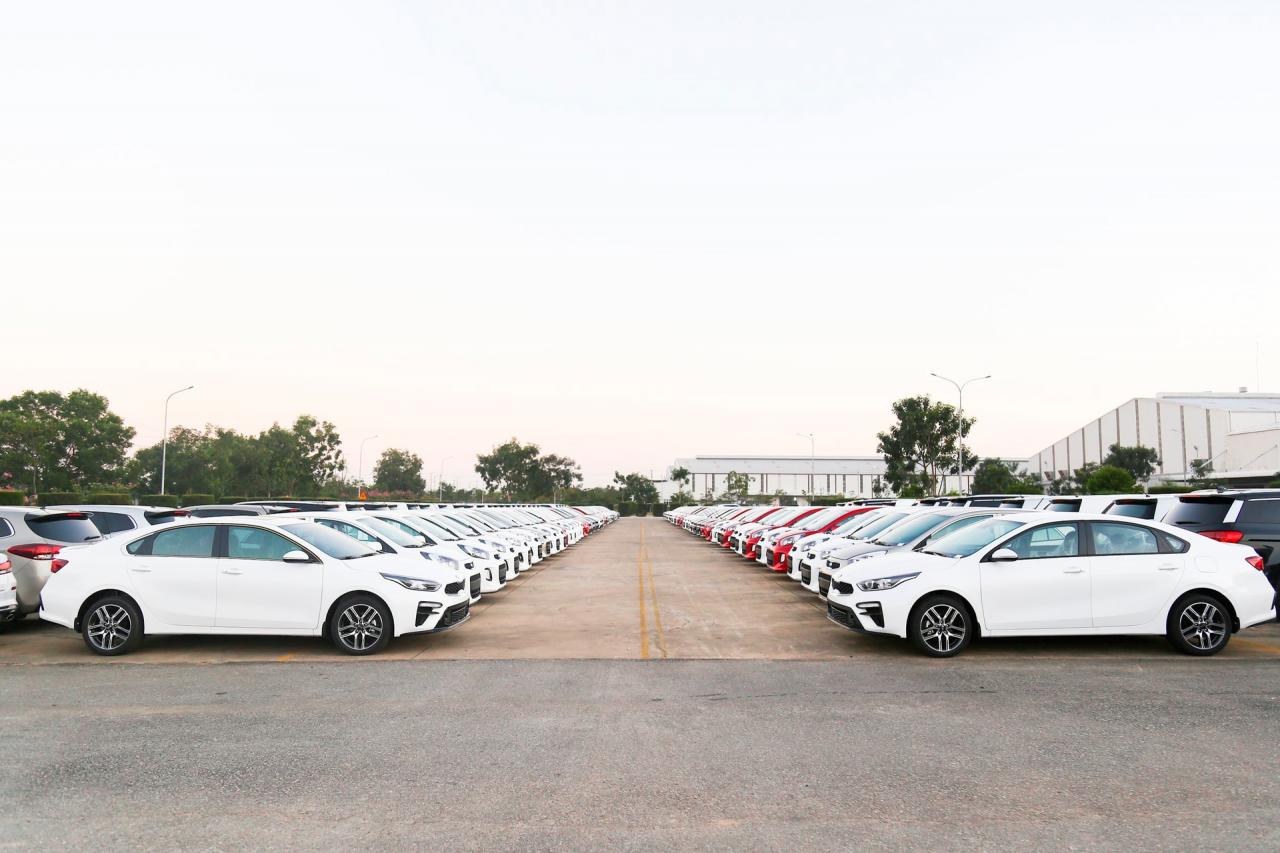
The largest share of total revenue in this region still comes from Truong Hai (accounting for 73.3%). However, the budget revenue allocated to Truong Hai in 2025 is only about 9,180 billion VND, equivalent to 98.7% of the projected amount, nearly 29% lower than the group's actual revenue in 2024 (in 2024, Truong Hai contributed 12,960 billion VND). The remaining amount (3,342 billion VND) will be mobilized from private hydropower enterprises (600 billion VND), nearly 9,000 other small businesses and individual business households (2,742 billion VND).
Joint efforts to collect budget revenue
Domestic budget revenue projected for 2025 represents only a 3.5% increase compared to the 2024 estimate, but this is only 91.2% of the actual revenue collected in 2024. This is unlike the budget revenue figures that have been set for many years, where the projected revenue for the following year must always be at least 9-10% higher than the previous year.
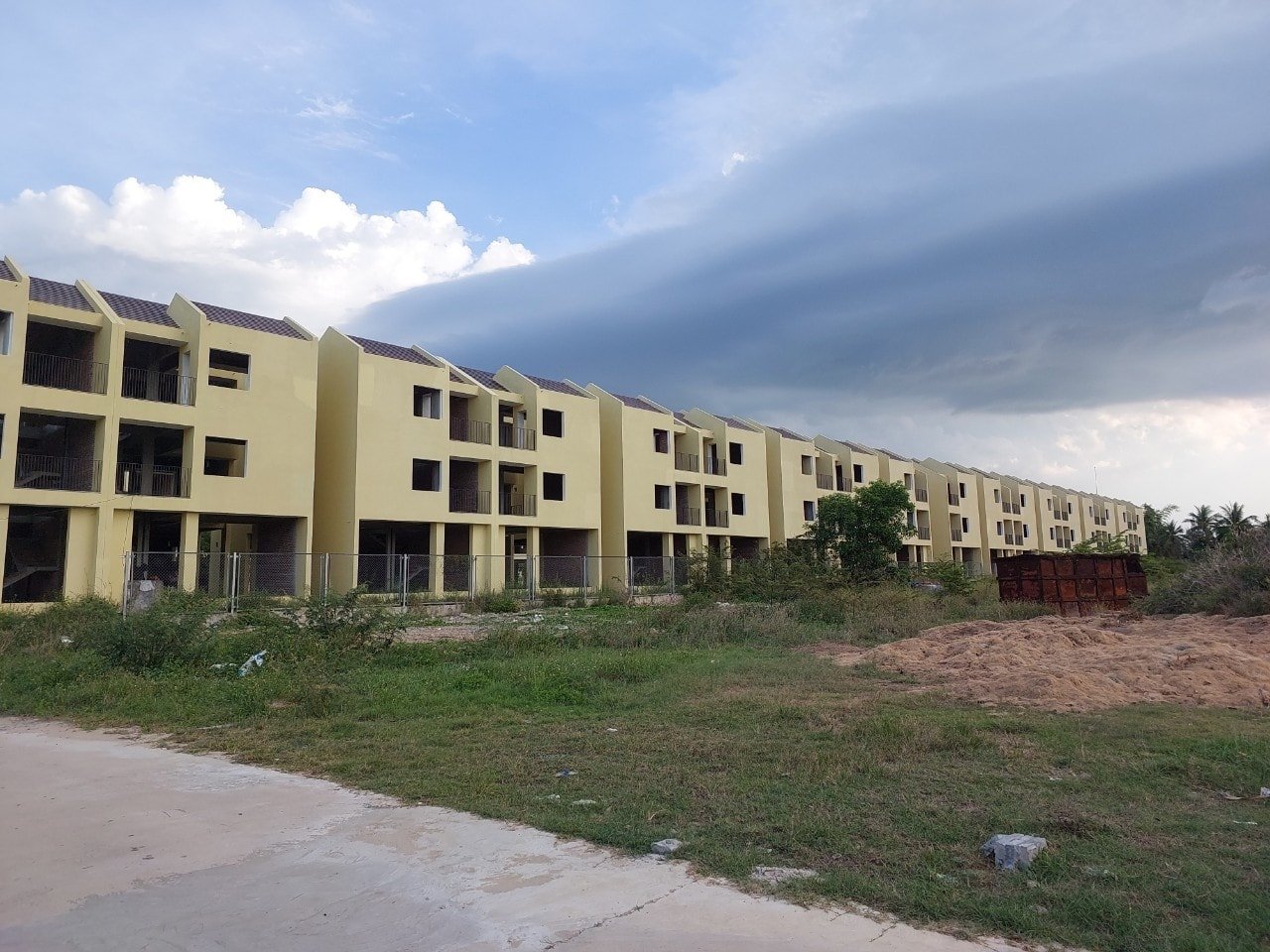
The main revenue sources, which account for the largest proportion of domestic revenue, are both lower than projected and actual figures for 2024, except for land use fees and environmental protection taxes, which are projected to increase based on forecasts of potential recovery from land use fee projects.
When the real estate market improves, businesses will have the financial resources to pay their outstanding land use fees to the state budget (currently, the amount of outstanding land use fees is still very large).
Theoretically, if domestic revenue is projected to increase only slightly (3.5% compared to the 2024 forecast), but much lower than the actual revenue in 2024, then the domestic budget revenue in 2025 will be much easier to achieve, not only easily meeting the planned target but also potentially exceeding it, as in 2024.
However, the budget planning, finance, and revenue collection agencies disagree. They argue that approving such a budget revenue level is reasonable, and that it is unacceptable to base the 2025 budget forecast on the actual revenue figures of 2024 when there are still so many unfavorable factors affecting the economy and revenue sources.
According to Mr. Luong Dinh Duong, Deputy Director of the Quang Nam Tax Department, budget revenue in 2025 will be more favorable if Truong Hai Group maintains its growth rate, the obstacles of each real estate project are effectively resolved, and public investment capital is disbursed efficiently.
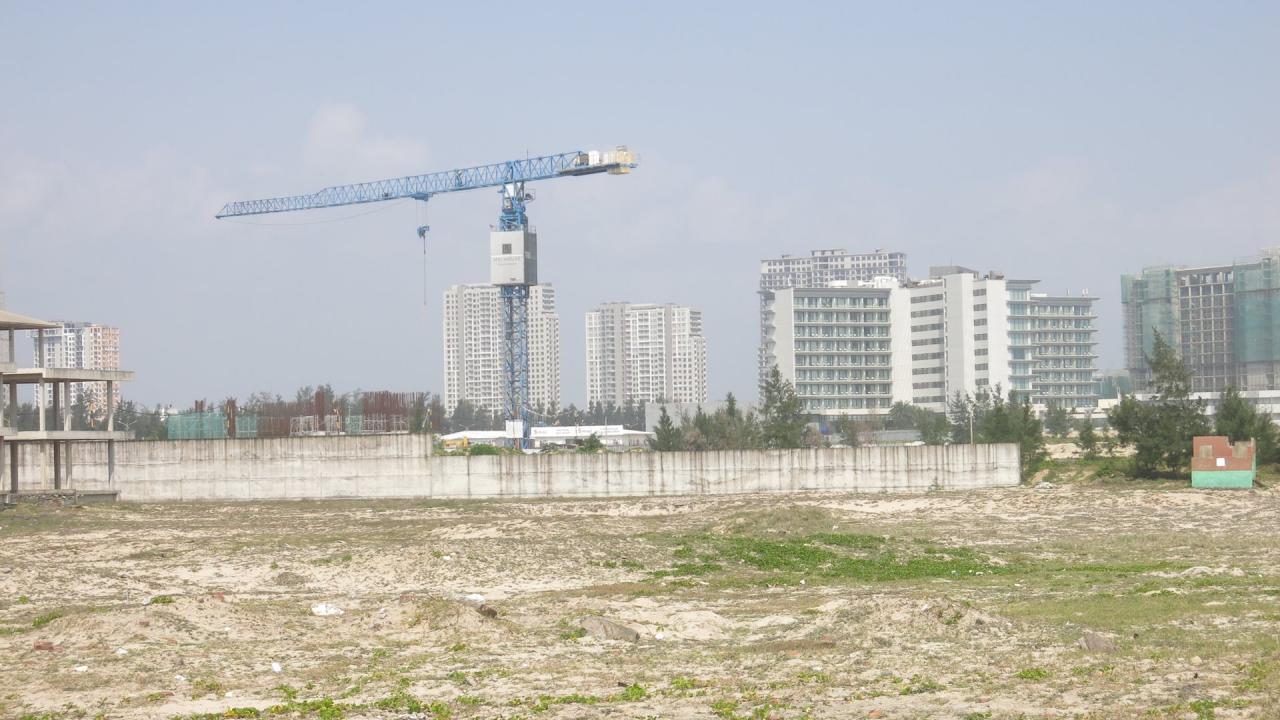
Market and economic realities show that budget revenue is a graph measuring economic development and a measure of the level of budget management by local governments.
This criterion is also an important basis for evaluating the quality of tax administration by tax authorities. Therefore, the tax sector is always concerned about the implementation of tax collection, which is essential. However, the real estate market still shows no signs of recovery. Real estate businesses have yet to find a way to open up the market.
The policy of reducing environmental protection tax on gasoline, oil, and lubricants, and reducing value-added tax from 10% to 8% on certain goods and services, will lower production and business costs for enterprises and boost personal consumption, but will impact budget revenue in terms of this tax.
Not to mention the significant number of businesses that have left the market, with no indication of when they will return. The number of new businesses entering the market and new investment projects are also only in the initial stages.
Mr. Nguyen Van Tiep, Director of the Quang Nam Tax Department, said that currently, new production capacities cannot generate revenue. There are no additional locations to collect taxes from.
Following the cyclical policy of a 50% reduction in registration fees, car sales tend to decline. Meanwhile, the proliferation of electric vehicles has led to fierce competition in the automotive market. It is very difficult to predict or forecast the market.
A policy to reduce registration fees by 50% would be great, but this "protection" might not be continued. As for land use fees, collection is still expected to be difficult. At best, we'll only be able to collect around 2 trillion VND.
"Collecting domestic revenue this year will be challenging. The tax sector will have to make every effort, overcome the pressures and difficulties of the economy, and strive to complete and even exceed the assigned budget," Mr. Tiep said.
According to Director of the Department of Finance Dang Phong, although the budget revenue forecast looks low, it will not be easy to achieve. Without supportive policies and stimulus measures, and with increasingly fierce competition in the automotive market, Truong Hai will face greater difficulties in its production and business plans. Consumer and business demand is trending towards saturation, which will lead to a significant decrease in sales volume compared to 2024.
“The Ministry of Finance anticipates fierce competition in the automotive sector. The market is saturated, so they have set a low revenue target. Quang Nam has strived to increase its automotive revenue by an additional 1,000 billion VND compared to the target set by the Ministry of Finance. This figure will require considerable effort to achieve,” Mr. Phong said.
Source: https://baoquangnam.vn/thay-gi-tu-du-toan-thu-noi-dia-quang-nam-nam-2025-3146979.html


![[Photo] Explore the US Navy's USS Robert Smalls warship](/_next/image?url=https%3A%2F%2Fvphoto.vietnam.vn%2Fthumb%2F1200x675%2Fvietnam%2Fresource%2FIMAGE%2F2025%2F12%2F10%2F1765341533272_11212121-8303-jpg.webp&w=3840&q=75)

![[Photo] The captivating scenery of the fragrant maple forest in Quang Tri](/_next/image?url=https%3A%2F%2Fvphoto.vietnam.vn%2Fthumb%2F1200x675%2Fvietnam%2Fresource%2FIMAGE%2F2025%2F12%2F10%2F1765353233198_lan09046-jpg.webp&w=3840&q=75)


























![[Video] The craft of making Dong Ho folk paintings has been inscribed by UNESCO on the List of Crafts in Need of Urgent Safeguarding.](https://vphoto.vietnam.vn/thumb/402x226/vietnam/resource/IMAGE/2025/12/10/1765350246533_tranh-dong-ho-734-jpg.webp)






























































Comment (0)