

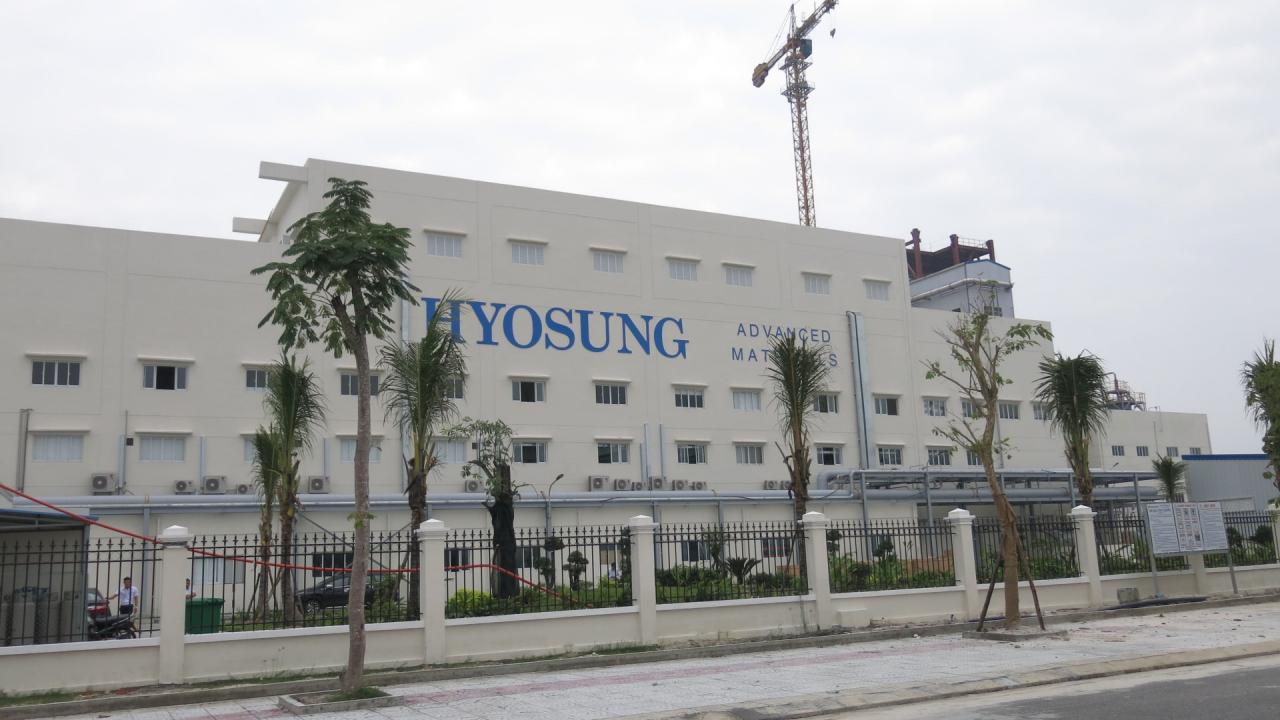
Reduced attractiveness of FDI flows.
There have been no significant changes from the US-China trade war, and hopes that FDI flows would shift to Vietnam (including Quang Nam) have not materialized.
There is no shortage of mechanisms and policies; numerous promotional activities have been conducted at forums, conferences, and international markets. However, the results in attracting FDI projects to the locality are still not as expected. The number of FDI investors and businesses coming to Quang Nam has been trending downwards in recent years.
According to statistics from the Department of Planning and Investment, Quang Nam attracted 10 FDI projects in 2020, but only 7 in 2021, with a total registered capital of approximately 15.2 million USD. The number of newly approved FDI projects decreased by 30%, but the total registered capital decreased by as much as 60%.
This decline is understandable. The COVID-19 pandemic, followed by two years of social distancing (2020 & 2021), made it impossible to connect with investment agencies, embassies of foreign countries, or organize investment promotion and attraction activities.
However, quite "surprisingly," even after the pandemic ended, attracting FDI did not improve, despite numerous trade networking and promotional activities at international investment forums, conferences, and seminars.
In 2022, only 5 FDI projects were attracted with a total registered capital of US$68.24 million. In 2023, an additional 4 FDI projects were licensed with a total investment of US$58.58 million, but as many as 5 projects had to leave the market.
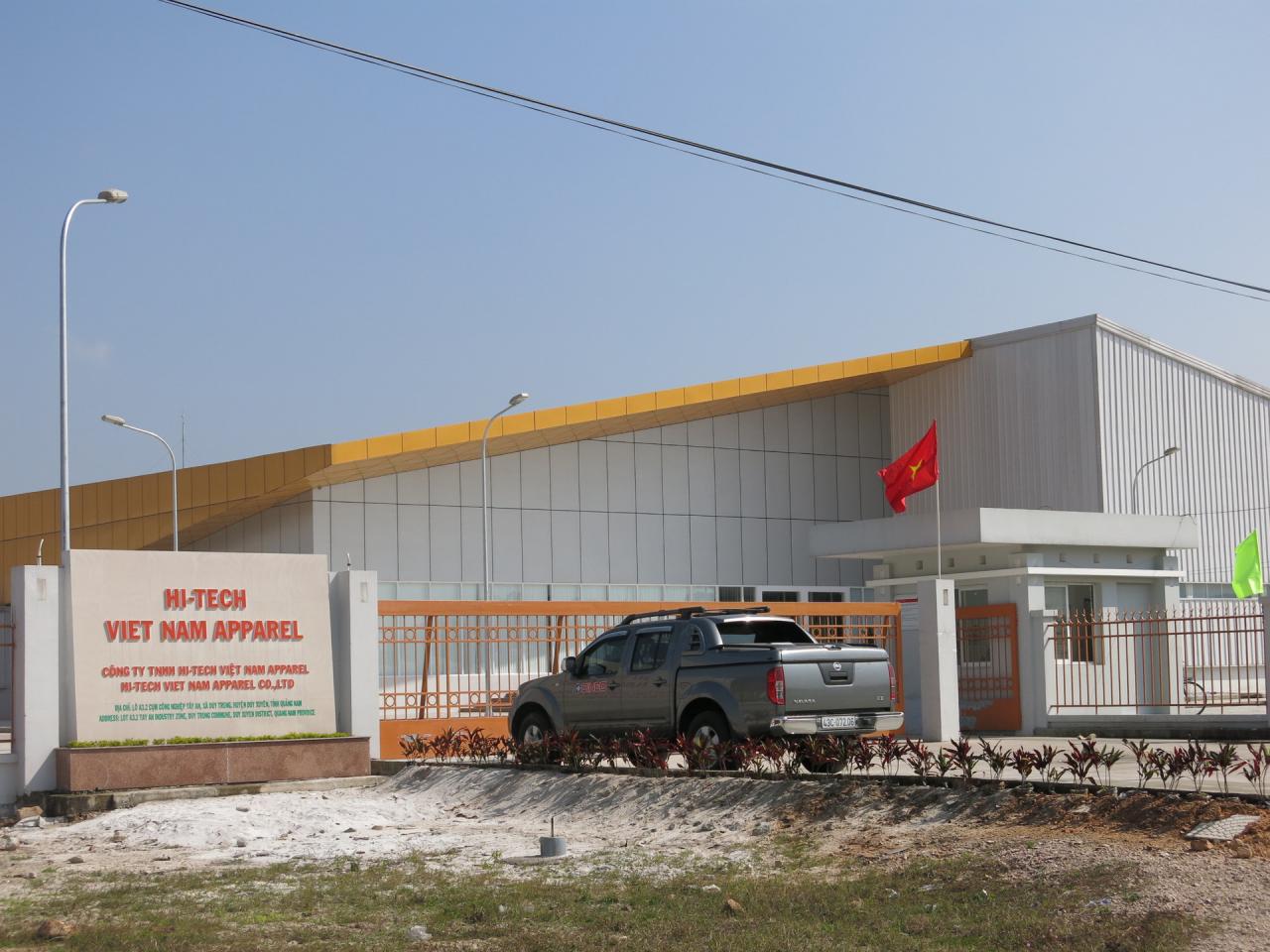
Signs of improvement can be seen in the first nine months of 2024, with 8 FDI projects licensed with a total registered capital of approximately US$126.6 million, bringing the total number of active FDI projects to 199 with a total registered capital of approximately US$6.2 billion.
According to the Finance Department's analysis, the economic downturn caused by the pandemic, inflationary pressures, tight financial conditions, and disruptions to the production supply chain have led investors to limit new investments or expansions to avoid risks.
The lack of wastewater treatment infrastructure in industrial zones and clusters under development, along with difficulties in compensation and land clearance, has led to delays in infrastructure investment in these zones and clusters, affecting the availability of land to attract foreign investors. Some legal regulations are overlapping, unclear, or not specific enough, also impacting investment attraction results.
Furthermore, according to Ms. Phan Thi Thanh Thao, Deputy Director of the Department of Finance, the application of the global minimum tax rate initiated by the Organization for Cooperation and Development (OECD) also significantly affects the attractiveness of FDI flows.
Large businesses and corporations around the world are being cautious and thoughtful in choosing countries to invest in, including Vietnam.
Quality over quantity
Foreign direct investment (FDI) has always been considered one of the key engines of national or local economic growth. Therefore, it's not surprising that FDI is now becoming a driving force for economic recovery. However, how to stimulate this engine to operate faster, stronger, and more effectively remains a subject of debate.
In an interview with Quang Nam Newspaper, Chairman of the Provincial People's Committee Le Van Dung acknowledged that attracting FDI has not met expectations. The inauguration of the Karcher Group's factory (Germany) in July 2024 is one of the encouraging signs, but it is still not commensurate with the potential and advantages of the locality.
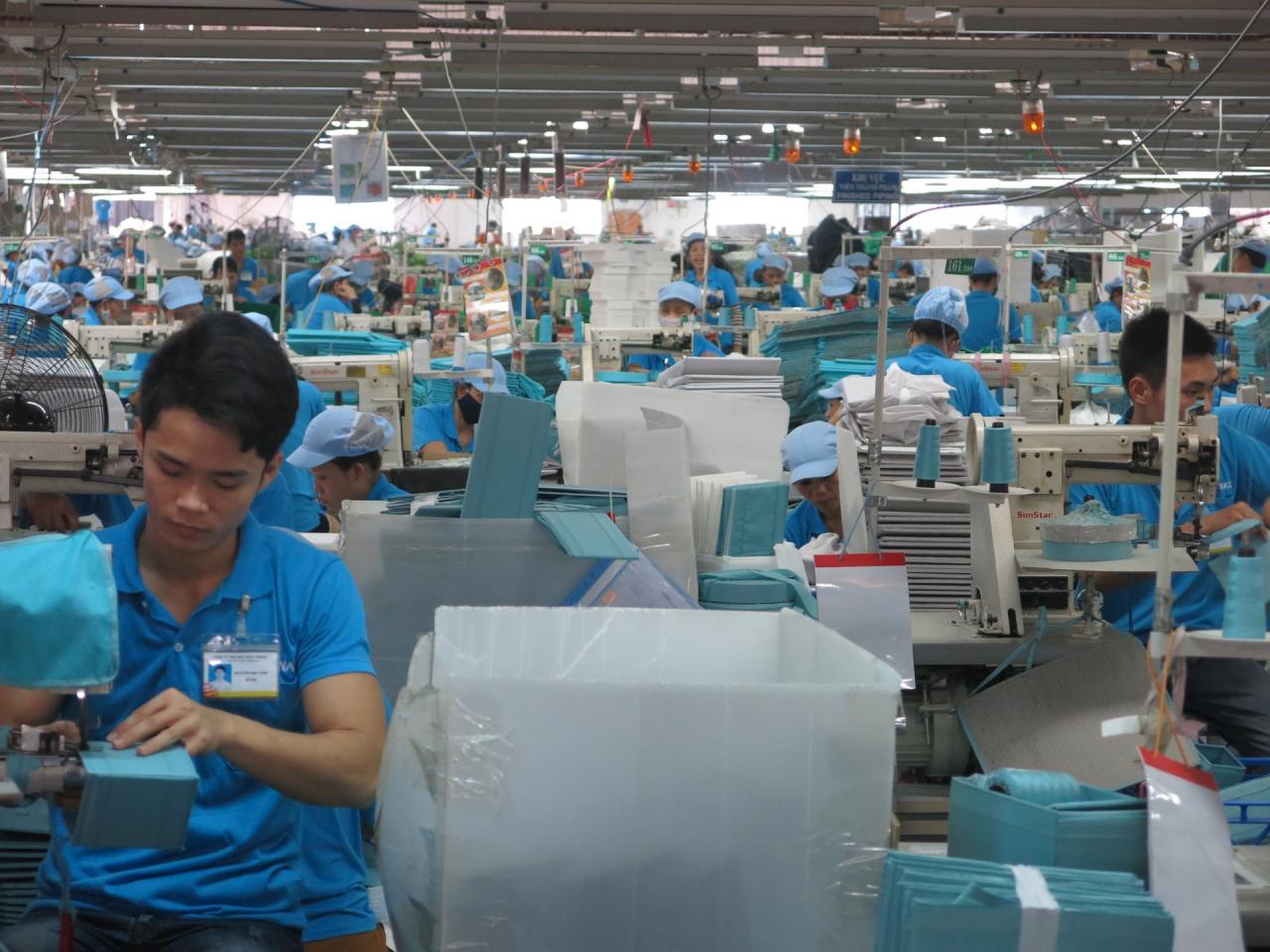
However, the investment opportunities in Quang Nam are very wide open. Many investors have expressed their desire to survey and seek opportunities to invest in large-scale, high-quality projects in the locality.
The names of those granted licenses and whose investment surveys have been announced include: the cleaning equipment manufacturing plant (500 billion VND) of Karcher Beteiligungs - GMBH (Federal Republic of Germany), the ultra-white stained glass manufacturing plant (820 billion VND) of Uc Thinh Technical Development Co., Ltd. (China), the magnetic plant (1,920 billion VND) of Star Group Industrial (Korea), and the audio equipment manufacturing project (960 billion VND) of Guoguang Electric (China), paving the way for a new era of quality FDI projects.
Mr. Nguyen Hung, Deputy Director of the Department of Planning and Investment, said that these are important projects, and the concretization and realization of the plan will be a good signal for Quang Nam to attract more quality FDI investors.
According to Mr. Ho Quang Buu, Vice Chairman of the Provincial People's Committee, many foreign businesses and large corporations are interested in investing in the locality. The Provincial People's Committee is reviewing and evaluating whether the projects meet all the necessary conditions for granting investment licenses.
Attracting FDI among localities in the region is becoming an increasingly fierce competition. Quang Nam's view is that it will not wait for investors to come to it.
Local authorities will present specific project opportunities. They will expand their capacity to absorb projects through appropriate and favorable mechanisms and policies, proactively seeking and attracting quality investors and projects right in their own localities.
"We will focus on attracting FDI based on quality rather than quantity. The government will cooperate with leading enterprises, proactively propose sufficiently strong opportunity projects, identify investors with financial and technological capabilities, conduct assessments by specialized agencies, and send representatives to directly meet with and find genuine investors."
"Investment projects generate growth and revenue, but they must also ensure environmental protection with advanced technology. Quang Nam is ready to reject projects that use outdated technology, pose a risk of environmental pollution, or affect national defense and security," Mr. Buu said.
Quality control of FDI projects
The role of FDI is undeniable, but the negative consequences are also significant when considering the reality of investment at the local level.
Looking at the budget contributions of FDI enterprises, it's difficult to say they are one of the pillars of the economy. Mr. Dang Phong, Director of the Department of Finance, once shared that the province has nearly 200 FDI enterprises, but their annual contribution of only 1,200 billion VND is far too small.
This business sector utilizes local resources excessively, yet the number of businesses with accumulated losses consistently increases year after year. The contribution to the budget and the economy is not commensurate with the local resources allocated to FDI enterprises.
Dr. Tran Dinh Thien (an economic expert) argues that FDI primarily serves as a tool to implement a growth model focused on GDP growth rate, without prioritizing strategies to improve the quality of growth and enhance the technological level of the Vietnamese economy and businesses. He was surprised that FDI companies consistently reported losses, yet few FDI investors left.
The local investment attraction history consistently shows that FDI remains an irresistible force, leading to a pursuit of quantity that has resulted in self-inflicted difficulties by offering overly attractive investment incentives. Investment management agencies acknowledge that it is difficult to obtain specific statistics on the number of projects that are delayed or have not yet disbursed funds, and the amount of capital implemented by investment projects that are rarely mentioned.
Regulatory agencies are lax in scrutinizing projects and investors' financial capacity, and readily grant licenses. As a result, some projects cannot be implemented because investors lack the necessary capabilities, and land is tied up in fictitious projects for many years. Consequently, the profits generated for localities from FDI do not match the value of the permanently lost natural resources.
Choosing a quality-oriented approach to attracting FDI is important. But it's crucial to answer the question: if foreign investors later withdraw for some reason – a very real possibility – can Quang Nam maintain the operation of these facilities to some extent in order to continue providing jobs for workers and ensuring social stability?
The history of attracting investment has shown that the expected capital, markets, and technology transfer have not materialized. FDI has mainly focused on providing cheap labor for processing and leasing premises.
Quang Nam still greatly needs resources from foreign investment. However, the government needs to control the quality of businesses, not only meeting the requirements for attracting investment but also eliminating FDI businesses that do not meet investment requirements...
HEART SONG
Source: https://baoquangnam.vn/thu-hut-fdi-quang-nam-huong-ve-chat-luong-3141741.html

![[Photo] Prime Minister Pham Minh Chinh holds a phone call with the CEO of Russia's Rosatom Corporation.](/_next/image?url=https%3A%2F%2Fvphoto.vietnam.vn%2Fthumb%2F1200x675%2Fvietnam%2Fresource%2FIMAGE%2F2025%2F12%2F11%2F1765464552365_dsc-5295-jpg.webp&w=3840&q=75)
![[Photo] Closing Ceremony of the 10th Session of the 15th National Assembly](/_next/image?url=https%3A%2F%2Fvphoto.vietnam.vn%2Fthumb%2F1200x675%2Fvietnam%2Fresource%2FIMAGE%2F2025%2F12%2F11%2F1765448959967_image-1437-jpg.webp&w=3840&q=75)


































![[OFFICIAL] MISA GROUP ANNOUNCES ITS PIONEERING BRAND POSITIONING IN BUILDING AGENTIC AI FOR BUSINESSES, HOUSEHOLDS, AND THE GOVERNMENT](https://vphoto.vietnam.vn/thumb/402x226/vietnam/resource/IMAGE/2025/12/11/1765444754256_agentic-ai_postfb-scaled.png)



































Comment (0)