

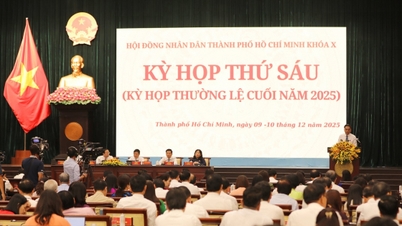
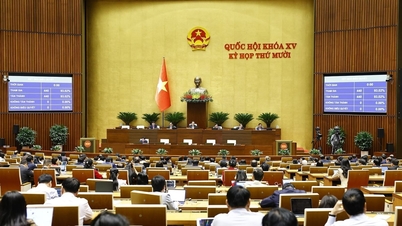
At the 6th session of the 10th term of the Ho Chi Minh City People's Council, on the morning of December 10th, Chairman of the Ho Chi Minh City People's Committee Nguyen Van Duoc stated that 2025 will be a "test period" for the entire political system of Ho Chi Minh City in the context of organizing and operating a two-tiered government model.
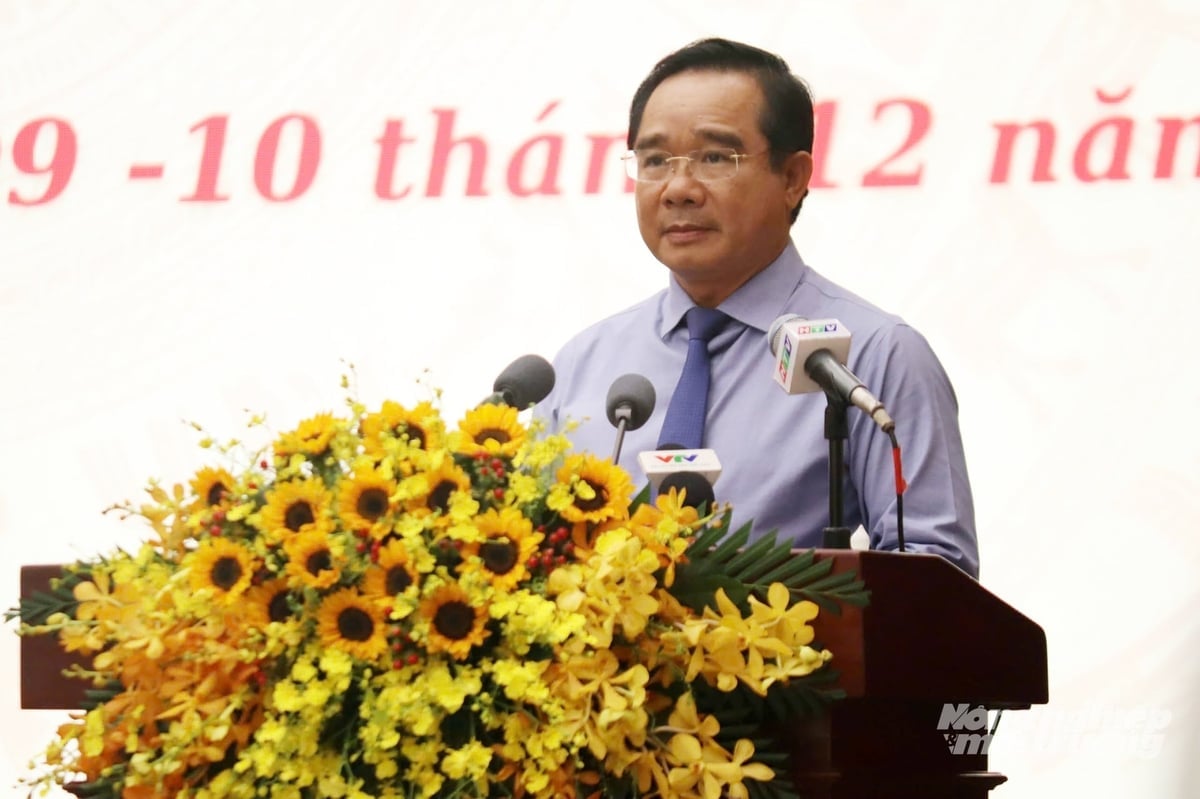
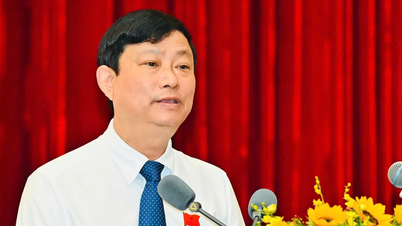
Chairman of the Ho Chi Minh City People's Committee, Nguyen Van Duoc, provided information on the socio-economic situation of Ho Chi Minh City in 2025 and orientations for 2026. Photo: Nguyen Thuy.
Simultaneously, Ho Chi Minh City has had to overcome long-standing shortcomings and limitations in its development process while also implementing new tasks for 2025. However, under the leadership and guidance of the Central Government and the City Party Committee, along with the unity of the people and the business community, Ho Chi Minh City has still achieved many commendable socio-economic results.
The city contributes approximately 30% of the total national budget revenue. The average per capita income is around $8,755 per year.
Regarding investment attraction, the investment and business environment has improved significantly. Ho Chi Minh City continues to lead the country in attracting capital, with over 8 billion USD, of which approximately 2 billion USD is allocated to science, technology , and innovation.
In administrative reform, the city has cut 435 procedures related to production and business. All three indicators of administrative reform in the city have improved, clearly demonstrating a shift from "administration" to "service".
Ho Chi Minh City has 838 problematic projects, but has successfully resolved 670 of them, thereby freeing up over 804,000 billion VND in social resources, clearing approximately 16,000 hectares of project land, and contributing to increased budget revenue, especially land use fees (up 269% compared to the same period).
The two-tiered government model operates more stably, effectively, and efficiently, with administrative service centers at all levels functioning smoothly and online public services at level 4 being expanded throughout the area.
"Many delegations from the central government, ministries, and localities, when working with Ho Chi Minh City, have highly appreciated the efforts and flexibility of the two-tiered government model," said the Chairman of the People's Committee of Ho Chi Minh City.
Besides the achievements, Ho Chi Minh City leaders acknowledge that there are still many limitations such as unsatisfactory disbursement of public investment; uneven efficiency in the operation of the new administrative apparatus across wards and communes; and a shortage of specialized staff in many places, forcing Chairmen and Secretaries to shoulder too much work, affecting the progress of task handling.
"Regarding urban issues, the problems that the General Secretary once mentioned, which are also 'specialties' of Ho Chi Minh City such as flooding, environmental pollution, traffic congestion, drug abuse... cannot be solved overnight. The city has identified these as existing problems that must be frankly confronted and resolutely addressed in the coming time," Chairman Nguyen Van Duoc said, adding that regarding the inadequacy of human resources at the commune and ward levels, the Standing Committee of the City Party Committee has submitted a plan with four groups of solutions: internal restructuring and streamlining; transfer between wards and communes; transfer of officials from higher levels; and recruitment of new professional and non-professional staff.
The Chairman of the People's Committee of Ho Chi Minh City emphasized that 2026 is the year the city must both address long-standing issues and face new challenges such as unpredictable fluctuations in the global economy, climate change, epidemics, the impact of hostile forces, and the inherent weaknesses of the economy.
The ultimate goal for 2026 is to create substantial, tangible, and measurable changes in governance methods, economic development, and the quality of services provided to citizens and businesses.
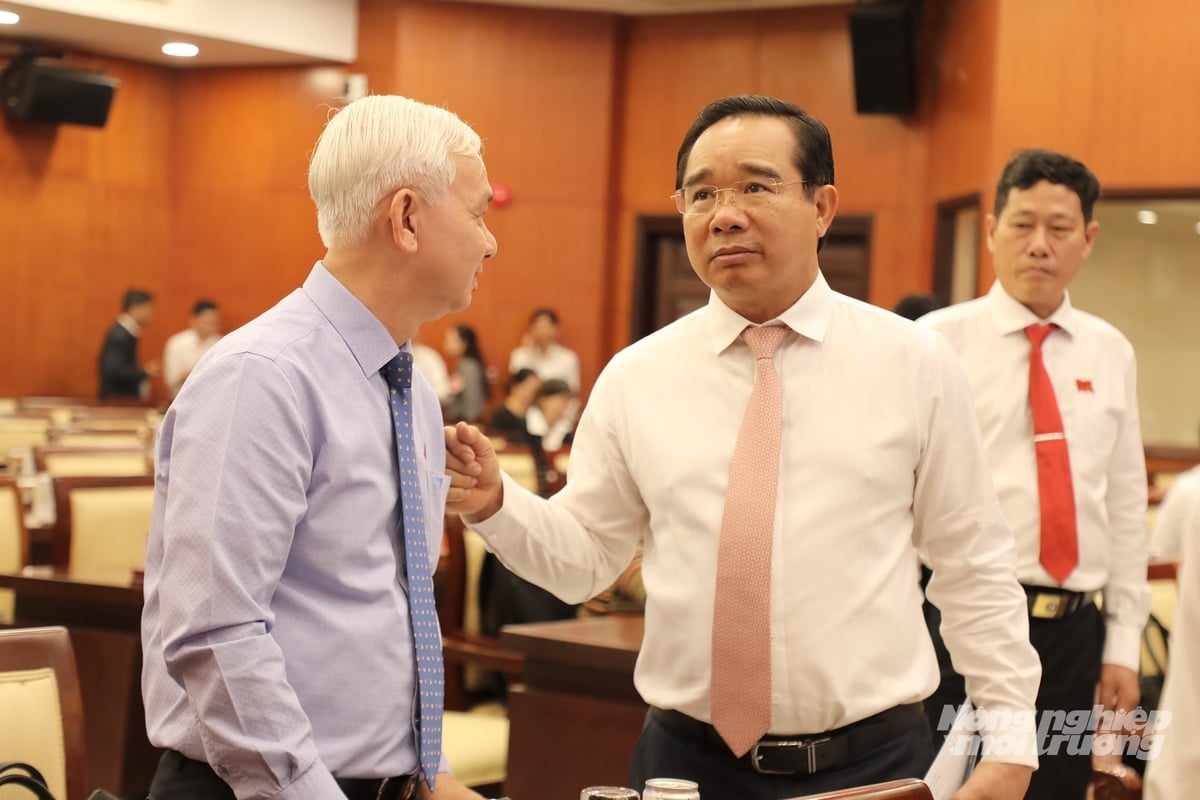
Chairman of the Ho Chi Minh City People's Committee Nguyen Van Duoc exchanges views with delegates of the Ho Chi Minh City People's Council. Photo: Nguyen Thuy.
The city has set the theme for 2026 as: “Unlocking institutions, unleashing resources, innovating infrastructure, improving service efficiency, and creating substantive changes in the city's development after the merger.” Based on this, the city has set five groups of targets covering the economy, culture and society, urban development, environmental protection, administrative reform, and national defense and security.
In particular, the city will effectively implement specific resolutions, especially Resolution 98 (amended) on special mechanisms and policies for the development of Ho Chi Minh City. After being approved by the National Assembly, this will be a "very powerful tool" for the city to make a leap forward in the coming period.
Ho Chi Minh City is also preparing for the formation of an international financial center and strategic infrastructure development mechanisms such as urban railways and ring roads.
"The city is asking for a mechanism, not money, and is willing to act as a 'policy laboratory' for the whole country, especially in the economic field," said the Chairman of the People's Committee of Ho Chi Minh City.
The city will restructure its economy in depth, with science, technology, and innovation as the main driving force, striving for the digital economy to account for approximately 30% of GRDP.
Ho Chi Minh City identifies citizens and businesses as the center and subjects of development; the government must be "creative, honest, proactive, and service-oriented." The city prioritizes attracting selective FDI, focusing on high value-added sectors such as artificial intelligence (AI), semiconductor technology, renewable energy, and biotechnology.
Mr. Nguyen Van Duoc emphasized that Ho Chi Minh City has a special advantage in terms of high-quality human resources, with many leading experts, research institutes, universities, and large corporations all concentrated here.
Ho Chi Minh City also continues to build a multi-polar, integrated, and connected development space with a structure of "three regions, one special zone, three corridors, and five driving axes," leveraging the advantages of each area.
City leaders aim to complete the master plan for Ho Chi Minh City by 2026, creating a foundation for attracting a strong influx of investment capital.
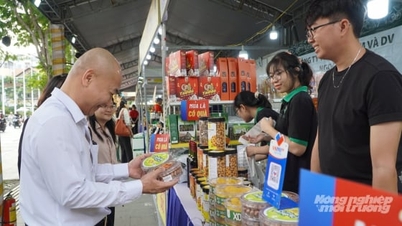
In terms of socio-cultural aspects, the city focuses on promoting the values of truth, goodness, and beauty; continuing fundamental and comprehensive reforms in education; implementing a comprehensive healthcare model for the people; and strengthening food safety and market stability, especially during the Lunar New Year.
A major focus is the formation of a high-quality education and healthcare ecosystem. Ho Chi Minh City is planning a "satellite city" in Binh Chanh, covering over 3,000 hectares on a large amount of public land, to attract high-quality universities and hospitals, while gradually relocating overcrowded facilities from the inner city. The goal is to alleviate population density, reduce traffic congestion and flooding, and create a modern learning and healthcare environment at reasonable costs.
Regarding food safety and the fight against counterfeit goods, city leaders recognize that this is a field directly related to health and future generations, thus facing significant social pressure and demanding action. The city has determined that a flexible approach is needed, one that is bold, decisive, and responsible for the common good, not for personal gain, so that projects and policies beneficial to the people can be implemented more quickly within the framework of the law.
Regarding urban management and fire safety, Ho Chi Minh City will assign the Department of Construction to coordinate with local authorities to definitively address "tiger cages" and blocked escape routes; and at the same time, strengthen propaganda to raise public awareness of the use of fire safety equipment.
Issues such as parking, electricity infrastructure, and public sanitation are considered "pressing but lacking incentives for investors." The city will study appropriate policies, linked to digital transformation and green transformation, creating minimum public amenities for urban life.
Tourism and marine environmental issues will also be addressed. The seasonal drift of water hyacinths from the Vam Co, Tien Giang, Long An, and Tay Ninh rivers to the Vung Tau area negatively impacts the landscape and tourism. Ho Chi Minh City has assigned the Department of Agriculture and Environment to coordinate with coastal and riverside localities to propose seasonal solutions to address this issue, ensuring the preservation of the landscape and environment.
Notably, the city aims to address approximately 50% of houses located on and along canals and waterways in the next term, equivalent to about 20,000 units, in conjunction with flood control projects, urban beautification, and improvements to the living environment for residents.
Regarding key projects, the Ho Chi Minh City People's Committee is committed to focusing resources on Ring Road 3, Ring Road 4, metro lines, the Binh Quoi project, drainage and flood control projects, and canal renovation… “By 2026, Ho Chi Minh City will become a massive construction site,” the Chairman of the People's Committee emphasized, affirming that if implemented decisively and synchronously, when these projects become operational, the city will experience a significant breakthrough.
Source: https://nongnghiepmoitruong.vn/tphcm-khai-thong-the-che-phat-trien-ha-tang-xanh-de-phat-trien-ben-vung-d788640.html





















![[Video] The craft of making Dong Ho folk paintings has been inscribed by UNESCO on the List of Crafts in Need of Urgent Safeguarding.](https://vphoto.vietnam.vn/thumb/402x226/vietnam/resource/IMAGE/2025/12/10/1765350246533_tranh-dong-ho-734-jpg.webp)












































Comment (0)