

Institutionalizing the Party's policy on sustainable nuclear energy development.
On June 27, 2025, the amended Atomic Energy Law was passed at the 9th Session of the 15th National Assembly. Sharing information about the Law at a press conference held by the Ministry of Science and Technology on the afternoon of June 27, Mr. Nguyen Tuan Khai, Director of the Department of Radiation and Nuclear Safety (Ministry of Science and Technology), stated that after more than 15 years of implementation, the Atomic Energy Law has become a solid legal foundation, creating favorable conditions for domestic and foreign organizations and individuals, as well as international organizations, to conduct activities in the field of atomic energy in Vietnam. The Law has made a significant contribution to promoting the application of atomic energy, creating a strong shift in the awareness of various sectors, levels, and the people regarding the application of atomic energy for peaceful purposes in the socio-economic development of the country.
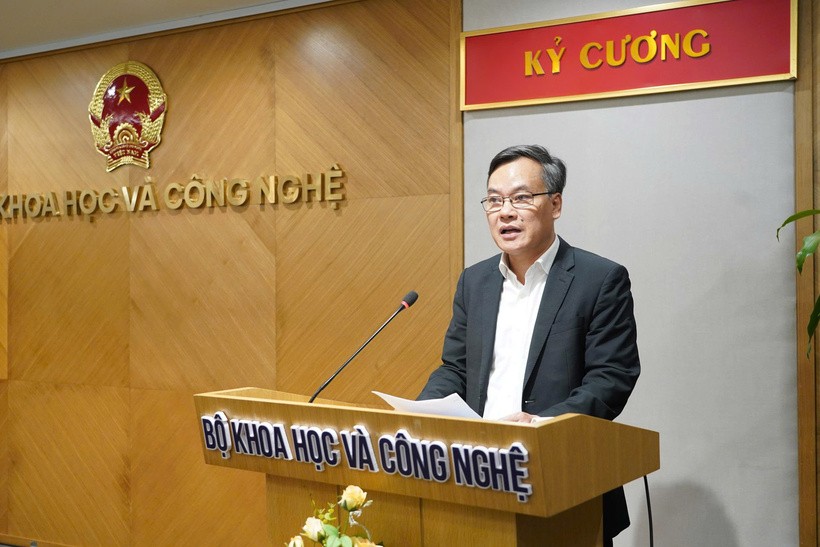 |
Mr. Nguyen Tuan Khai, Director of the Department of Radiation and Nuclear Safety |
However, the new context necessitates the urgent need to update and improve existing practices to align with the trends in science and technology development, ensure energy security, and fulfill international commitments on the development and application of nuclear energy for peaceful purposes, which is considered a crucial solution.
The revised Nuclear Energy Law was developed with the aim of further institutionalizing the Party's guidelines and the State's policies on nuclear energy, aligning with other relevant documents and meeting practical requirements; building a legal basis to ensure completeness and comprehensiveness in the system of legal documents on nuclear energy; enhancing the effectiveness of state management of radiation safety, nuclear safety and security; developing sustainable nuclear energy applications; fulfilling Vietnam's international commitments and obligations; strengthening international cooperation; and contributing nuclear energy to creating new impetus for the rapid and sustainable development of the country in the new era. The revised Nuclear Energy Law is developed in a way that clearly demonstrates the State's "development-creating" role in a field requiring high safety standards and complex technology.
During the drafting process, the lead agency focused on reviewing and eliminating overlapping regulations, and supplementing content that was lacking to meet practical requirements. Simultaneously, they actively consulted with ministries and agencies to ensure consistency, feasibility, and compliance with international commitments. The revised Law aims to clearly define the scope of application and responsibilities of relevant agencies; integrate and streamline administrative procedures; and establish a single point of contact for management.
Towards the development of safe, efficient, and sustainable nuclear power.
The main focus of the policy is to orient the development of nuclear energy for peaceful purposes, serving socio- economic development, protecting the environment, contributing to ensuring energy security and sustainable development of the country. The policy comprehensively covers investment and attracting resources; improving infrastructure and strengthening capacity to ensure nuclear safety and security; research and development of technology; training and developing human resources; international cooperation; and raising public awareness.
One of the notable points in the amended Nuclear Energy Law is that the State guarantees the budget for the construction and operation of the national environmental radiation monitoring and warning network; and invests in the construction of national-level sites for storing, processing, and burying radioactive waste, spent radioactive sources, and spent nuclear fuel. This is an essential step, demonstrating a long-term vision for ensuring radiation safety, nuclear safety and security, a fundamental element for all applications in this field.
Simultaneously, the Law also expands the potential for attracting capital, encouraging the private sector and international partners to participate in investment and development in the field of nuclear energy. This is not only consistent with Resolution 68-NQ/TW on the development of the private economy, but also reflects the reality of the widespread participation of organizations and individuals in applying nuclear energy in socio-economic sectors such as healthcare, industry, agriculture , resources, and environment.
A key issue is the need for high-quality human resources, especially for future nuclear power projects. Incorporating incentive mechanisms into the law for training, attracting, and utilizing experts and scientists will be a prerequisite for sustainable development. This should be coupled with synchronized investment in modern infrastructure and laboratories to create a solid foundation for research, training, and technology mastery.
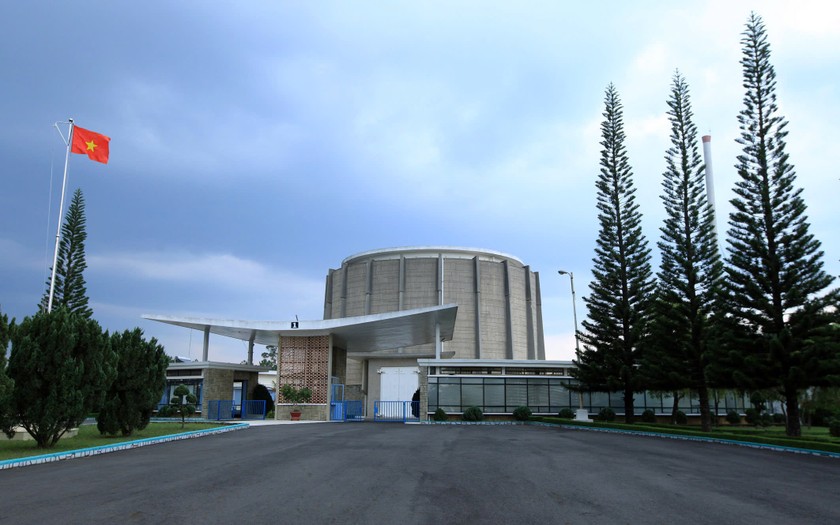 |
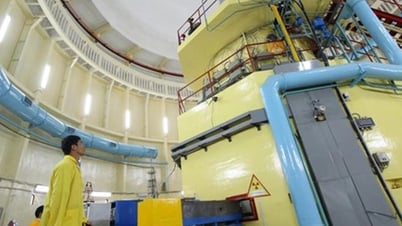
The amended Nuclear Energy Law focuses primarily on ensuring radiation safety, nuclear safety, and nuclear security to support the peaceful application of nuclear energy. |
Notably, the policy of encouraging technology transfer, enhancing manufacturing capacity, and localizing equipment demonstrates a strategic vision, along with a policy of ensuring budget allocation for science and technology research, prioritizing investment in research, technology transfer, development of scientific infrastructure, and human resource training in the field of nuclear energy. This directly institutionalizes Resolution 57-NQ/TW of the Politburo on the development of science, technology, and innovation.
In particular, policies for the synchronized development of cultural, educational, health, and welfare infrastructure at the local level, with key facilities, create social consensus, strengthen confidence, and ensure the sustainable development of the nuclear energy sector.
Furthermore, the Law has codified many international treaties to which Vietnam is a signatory, in accordance with the guidelines of the International Atomic Energy Agency (IAEA). Strengthening international cooperation and deeper integration will help Vietnam access new technological achievements and modern management practices more quickly, while also enhancing the capacity of its staff and experts.
A key highlight is that communication and awareness policies regarding nuclear energy are incorporated into the Law, becoming a constituent element of the safety ecosystem. Building a safety culture and a nuclear security culture is a necessary condition for developing a specialized industry with high inherent risks and requiring significant social consensus.
It can be affirmed that the amendment of the Law on Nuclear Energy is not merely a technical refinement of legislation, but a crucial institutional turning point. This concretizes the major policies of the Party, demonstrates the leading role of the State, unlocks resources, and establishes a foundation for the substantive and sustainable development of the nuclear energy sector. In the long term, this will be the foundation for Vietnam to master nuclear technology, ensure energy security, develop high-tech industries, and affirm its national position in the process of international integration.
Source: https://baophapluat.vn/viet-nam-tien-toi-lam-chu-cong-nghe-hat-nhan-dam-bao-an-ninh-nang-luong-post553343.html


![[Image] Close-up of the newly discovered "sacred road" at My Son Sanctuary](/_next/image?url=https%3A%2F%2Fvphoto.vietnam.vn%2Fthumb%2F1200x675%2Fvietnam%2Fresource%2FIMAGE%2F2025%2F12%2F13%2F1765587881240_ndo_br_ms5-jpg.webp&w=3840&q=75)









































































Comment (0)