

According to the Food Safety Department of the Ministry of Health , in nature, the spores of the bacterium C. botulinum are common and highly viable in soil and dust, found in garden soil, cemeteries, mud, fresh or composted animal manure, the digestive tract of animals, poultry, fish, etc.
The spores of this bacterium are abundant in soil and are highly resistant, able to withstand temperatures of 100°C; therefore, heating at 120°C for 10 minutes is necessary to kill the spores.
The medication for botulinum poisoning, provided by the WHO as emergency aid, has arrived in Ho Chi Minh City.
Dr. Ho Thanh Lich, Deputy Head of the Intensive Care and Emergency Department at Nam Saigon International General Hospital, said: "Most bacteria can be killed by ordinary boiling, but to kill the spores of Clostridium botulinum, a higher temperature is required, at a sterilization temperature of about 121°C."
"Although the spores of this bacterium are quite difficult to destroy, the toxins they produce are sensitive to temperature. Therefore, simply heating food to a normal cooking temperature of about 80°C for 30 minutes or to boiling temperature of 100°C for 10 minutes before eating can significantly reduce the risk of food poisoning," Dr. Lich said.
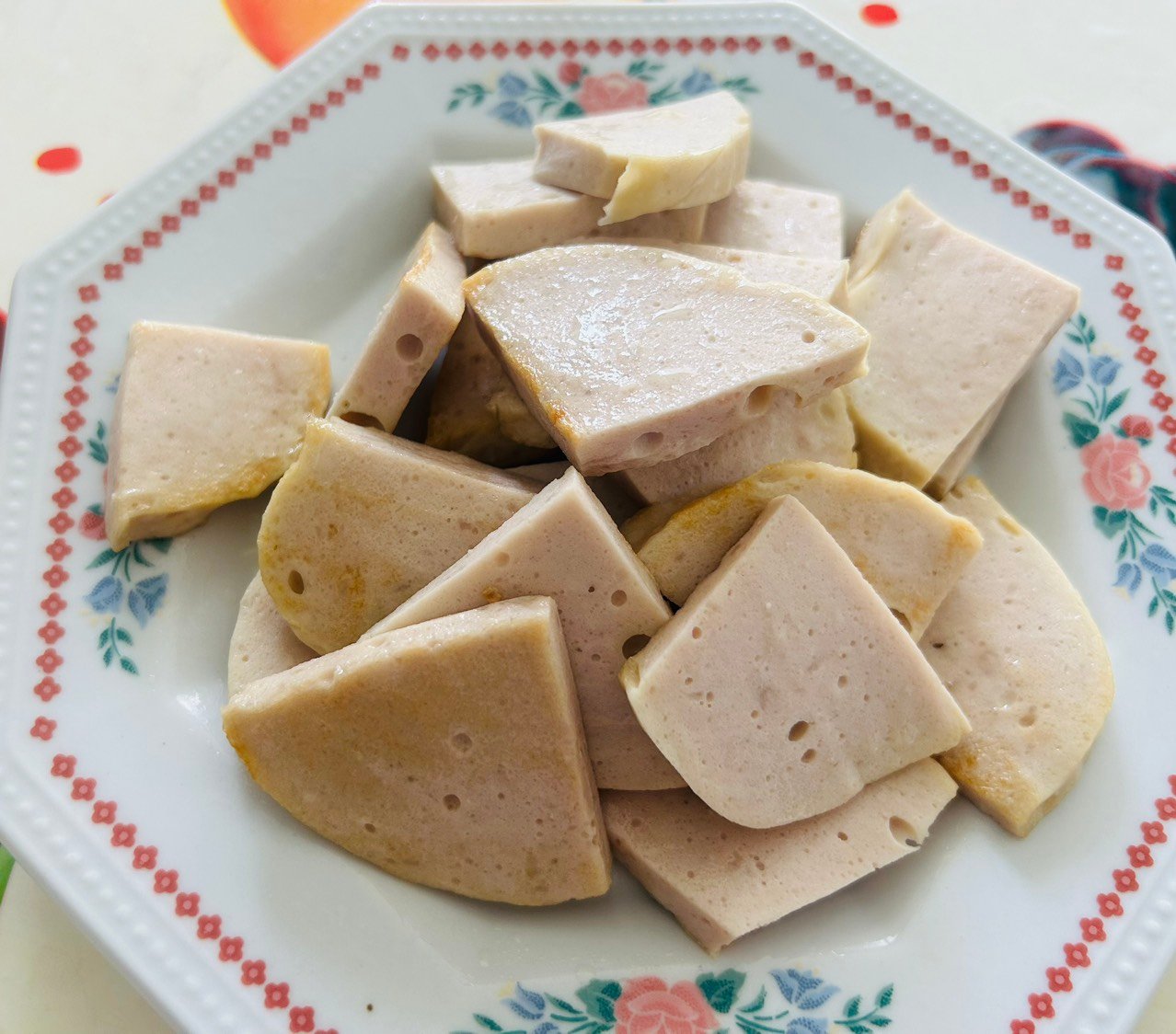
Heating food significantly reduces the risk of botulinum poisoning.
Here are six food safety measures to avoid botulinum poisoning:
Ensure food safety and hygiene : Make sure food is washed and processed properly to prevent the growth of Clostridium botulinum bacteria.
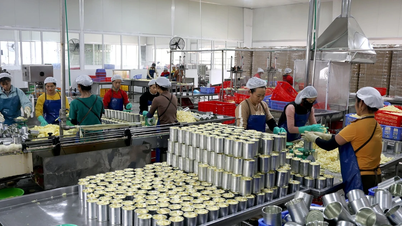
Avoid eating foods of unknown origin, unusual colors or smells, unsafe canned foods, or foods that have not been processed properly.
Temperature control : Ensure appropriate temperatures are maintained during food processing and storage. Clostridium botulinum bacteria can thrive in humid environments and low-oxygen air. High temperatures (above 80°C) are essential for cooking food thoroughly to kill botulinum toxin.
Avoid storing food in oxygen-restricted environments : Botulinum toxin thrives in oxygen-deficient conditions.
Therefore, avoid storing food in oxygen-deficient environments. Do not use canned products that have expired, are swollen, dented, deformed, or rusty.
Maintain personal hygiene : Wash your hands thoroughly before preparing food and after contact with waste or any source of contamination.
Food inspection : If in doubt, inspect food before consumption. If you notice any abnormalities in color, smell, or taste, refuse to consume it and report it to your local health authorities. People should not seal food in airtight containers and store it for extended periods without freezing.
For traditionally fermented, packaged, or sealed foods (such as pickled cucumbers, bamboo shoots, pickled eggplant, etc.), it's essential to ensure they remain sour and salty. Foods that are no longer sour should not be eaten.
Practice eating cooked food and drinking boiled water. Prioritize eating freshly prepared and freshly cooked foods.
When people experience symptoms of botulinum poisoning, they should immediately go to the nearest medical facility for timely diagnosis and treatment.
Why is botulinum toxin dangerous?
Source link










































































Comment (0)