

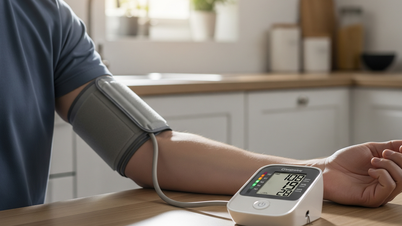
Some studies show that the incidence of gastroparesis in people with diabetes is very high, possibly up to 65%. Symptoms of gastroparesis complications often include nausea, bloating, vomiting, heartburn, etc., quite similar to gastroesophageal reflux disease (GERD).
Gastrointestinal paralysis is more common in people diagnosed with diabetes after many years (on average after 10 years) of having high blood sugar levels that are not well controlled.
The cause of gastroparesis is persistently high blood sugar levels, which cause chemical changes and damage to multiple nerves. This prolonged condition damages the blood vessels that supply nutrients and oxygen to the body's nerves, including the vagus nerve, ultimately leading to gastroparesis.
When gastroparesis occurs, food becomes trapped in the digestive system, further increasing blood sugar levels, slowing digestion, and making diabetes treatment more difficult.
Signs and symptoms of gastroparesis include: heartburn, nausea, vomiting undigested food, feeling full quickly after eating, weight loss, frequent bloating, fluctuating blood sugar levels, loss of appetite, gastroesophageal reflux, and stomach spasms. The severity of these symptoms varies from person to person, depending on the duration of the illness and the level of blood sugar control.
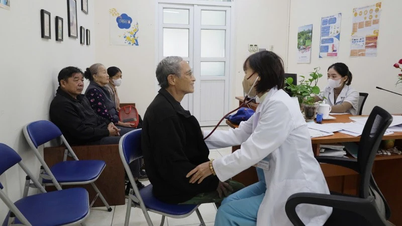
The Central Endocrine Hospital advises: Gastroparesis is very difficult to diagnose or is often misdiagnosed, frequently overlooked because patients think it's a gastrointestinal disease due to similar symptoms.
Therefore, any person with diabetes needs to understand the severity of complications in order to develop a plan to effectively manage these complications and minimize their impact on their health.
Source link

![[Photo] Prime Minister Pham Minh Chinh holds a phone call with the CEO of Russia's Rosatom Corporation.](/_next/image?url=https%3A%2F%2Fvphoto.vietnam.vn%2Fthumb%2F1200x675%2Fvietnam%2Fresource%2FIMAGE%2F2025%2F12%2F11%2F1765464552365_dsc-5295-jpg.webp&w=3840&q=75)


![[Photo] Closing Ceremony of the 10th Session of the 15th National Assembly](/_next/image?url=https%3A%2F%2Fvphoto.vietnam.vn%2Fthumb%2F1200x675%2Fvietnam%2Fresource%2FIMAGE%2F2025%2F12%2F11%2F1765448959967_image-1437-jpg.webp&w=3840&q=75)









































![[OFFICIAL] MISA GROUP ANNOUNCES ITS PIONEERING BRAND POSITIONING IN BUILDING AGENTIC AI FOR BUSINESSES, HOUSEHOLDS, AND THE GOVERNMENT](https://vphoto.vietnam.vn/thumb/402x226/vietnam/resource/IMAGE/2025/12/11/1765444754256_agentic-ai_postfb-scaled.png)


















































Comment (0)