

This new strain of the Omicron variant carries more than 35 gene mutations in key parts of the virus compared to XBB.1.5, the dominant variant for most of 2023.
The BA.2.86 variant was first detected in Denmark on July 24th after infecting a patient at risk of severe illness and undergoing gene sequencing. Since then, BA.2.86 has been detected in other symptomatic patients during routine medical screenings at airports and in wastewater samples in several countries.
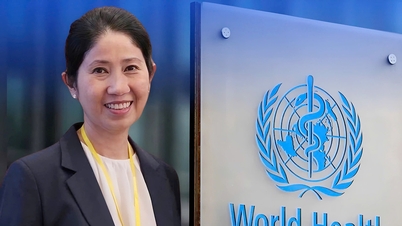
In her first interview with the press regarding BA.2.86, the WHO's chief technical officer for Covid-19, Maria Van Kerkhove, stated that the number of people infected with this variant remains low. However, the recorded cases are not linked to each other. This suggests that BA.2.86 has spread more widely in the context of a significant reduction in Covid-19 testing worldwide .
Ms. Van Kerkhove added that scientists are testing and determining the effectiveness of updated Covid-19 vaccines against BA.2.86. She also noted that Covid-19 vaccines are more effective at preventing severe illness and death than at preventing reinfection. Meanwhile, Dutch virologist and WHO advisor Marion Koopmans stated that the world is in a very different phase of the pandemic compared to when it first broke out.
In the US, Dr. Nirav Shah, Deputy Director of the Centers for Disease Control and Prevention (CDC), said that after discovering the new BA.2.86 variant last week, the agency held several meetings with scientists and issued a risk assessment (of the variant) on August 23rd. As of August 23rd, nine cases of BA.2.86 had been detected, and this variant was also found in wastewater in Switzerland.
Assessments suggest that current testing and vaccines appear to be effective against BA.2.86, although this variant may be more infectious in vaccinated individuals and those who have previously had COVID-19. There is no evidence to suggest that BA.2.86 causes more severe illness.
Dozens of scientists worldwide believe that BA.2.86 is unlikely to cause a wave of severe illness and death due to the immune defenses already built up globally from vaccinations and previous COVID-19 infections. There is also currently no evidence to suggest that BA.2.86 causes more severe illness. However, experts emphasize the need for careful consideration of the potential risks from BA.2.86 and the need for continued monitoring of this new variant.
Minh Hoa (compiled from VTV and Tin Tuc newspaper)
Source

![[Image] Close-up of the newly discovered "sacred road" at My Son Sanctuary](/_next/image?url=https%3A%2F%2Fvphoto.vietnam.vn%2Fthumb%2F1200x675%2Fvietnam%2Fresource%2FIMAGE%2F2025%2F12%2F13%2F1765587881240_ndo_br_ms5-jpg.webp&w=3840&q=75)



















































































Comment (0)