

According to the World Health Organization (WHO), in recent weeks, the JN.1 variant has continued to be reported in many countries and has increased rapidly globally. Due to its increasingly rapid rate of spread, the WHO is classifying JN.1 as a variant of concern.
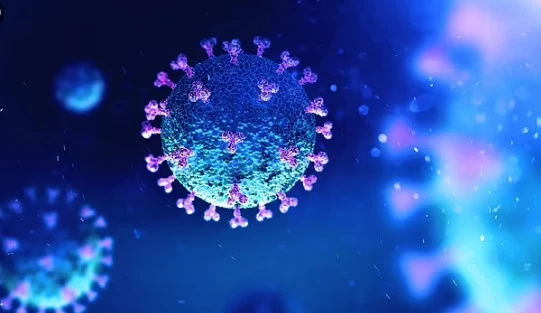
According to the WHO, JN.1 is classified as a variant of concern.
The JN.1 variant has now been recorded in 12 countries, including Canada, France, the United Kingdom, Singapore, Sweden, and China.
The US Centers for Disease Control and Prevention (CDC) stated that as of December 22nd, JN.1 was the fastest-growing and dominant variant in the US, according to USA Today .
Based on its findings, the US CDC estimates that the JN.1 variant currently accounts for approximately 39-50% of all new Covid-19 cases.
The increase in JN.1 cases is due to fewer and fewer Americans getting vaccinated against Covid-19. The US CDC says JN.1 is more transmissible than other variants. However, to date, the spread of JN.1 does not appear to pose an additional risk to public health.

Symptoms of infection with the JN.1 variant are similar to other variants, including fever or chills, cough, sore throat, nasal congestion or runny nose…
What are the symptoms of the JN.1 variant?
The US CDC says that symptoms of infection with the JN.1 variant are similar to other variants, including fever or chills, cough, sore throat, nasal congestion or runny nose, headache, muscle aches, shortness of breath, fatigue, loss of taste or smell, brain fog, and gastrointestinal symptoms such as stomach discomfort, mild diarrhea, and vomiting, according to USA Today.
Source link























![[Photo] Prime Minister Pham Minh Chinh holds a phone call with the CEO of Russia's Rosatom Corporation.](/_next/image?url=https%3A%2F%2Fvphoto.vietnam.vn%2Fthumb%2F1200x675%2Fvietnam%2Fresource%2FIMAGE%2F2025%2F12%2F11%2F1765464552365_dsc-5295-jpg.webp&w=3840&q=75)














































Comment (0)