

The draft circular stipulates the scope of regulation, applicable subjects; compilation principles; electronic textbook standards; process of converting printed textbooks into electronic textbooks; organization and operation of the national council for electronic textbook appraisal; documents, order and procedures for requesting appraisal, approval and permission to use electronic textbooks.
Must fully meet current textbook standards
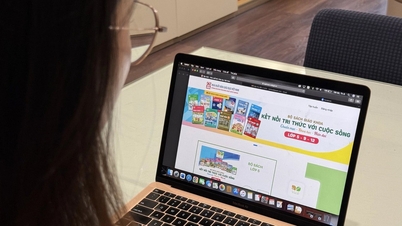
Regarding standards, the draft Circular stipulates that the prerequisite for electronic textbooks is to fully meet current standards. The content of electronic textbooks is guaranteed to be consistent with the content of printed textbooks. The digital format of electronic textbooks complies with current technical standards and regulations, and supports multiple platforms (computers, phones, e-readers).
The draft circular stipulates that the interface of electronic textbooks must be optimally displayed on different devices; suitable for the health and vision of students at all levels in terms of font, font size, color, visual effects, and sound.
In addition, electronic textbooks are not allowed to insert advertisements, business content, shopping suggestions...
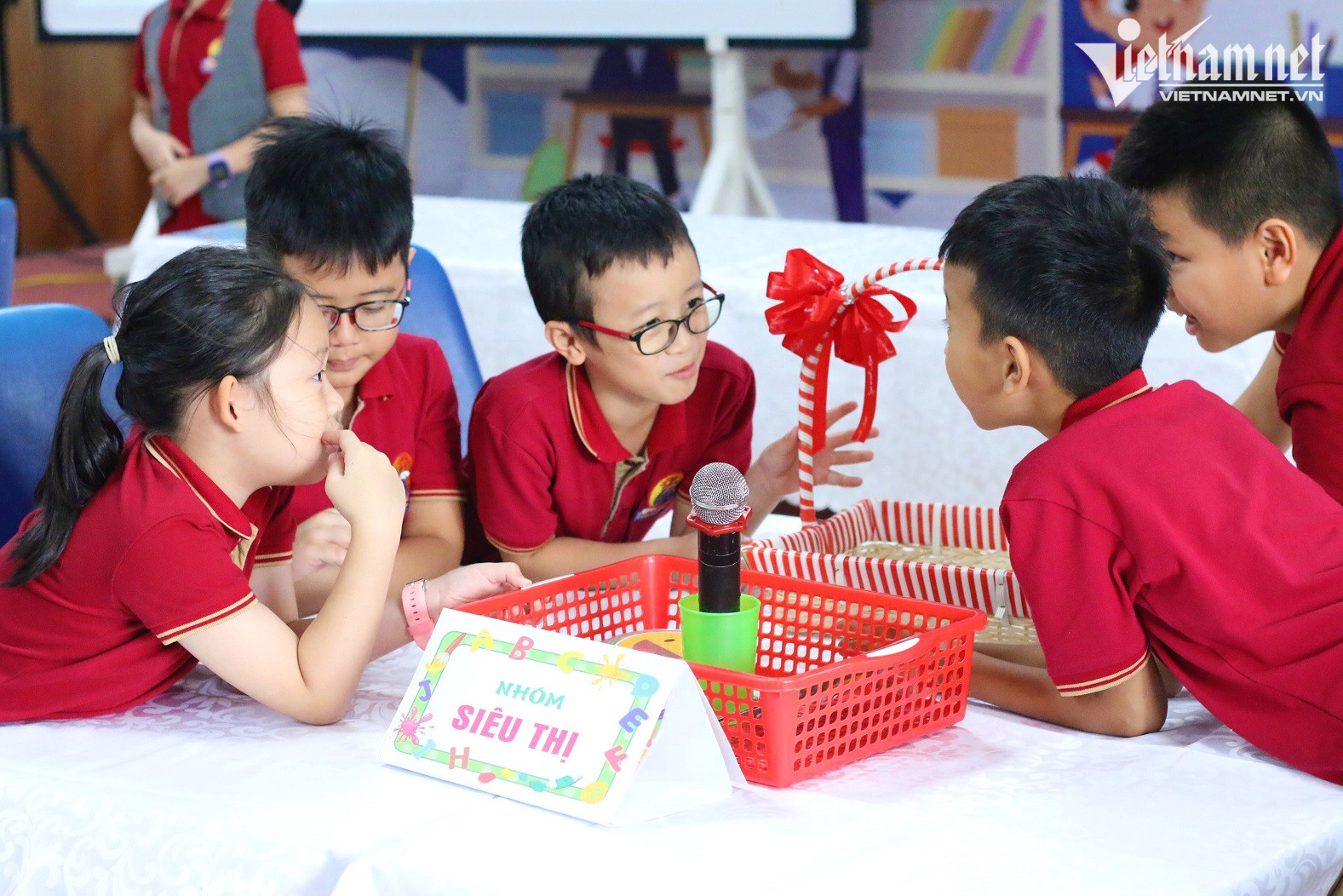
According to the draft, electronic textbooks have features for searching, highlighting, taking notes, zooming in and out of content; allowing basic interactions (selecting answers, dragging and dropping, listening to repeat, entering text, etc.); flexible integration and update features, linking with learning management systems according to popular standards, artificial intelligence, and virtual reality technology.
At the same time, electronic textbooks can be used online or downloaded when there is no stable Internet connection, ensuring users can always use them.
Regarding infrastructure, the draft circular stipulates that there are measures to prevent and protect against cyber security threats, ensuring that it does not contain harmful or offensive links or content.
Technical experimentation, experience evaluation on target groups
According to the draft, organizations, agencies, publishers that meet the conditions for electronic publishing or units with publishing links will be assigned by the Minister of Education and Training to convert textbooks from printed to electronic versions. The converted electronic textbooks must fully meet the criteria stated in the circular.
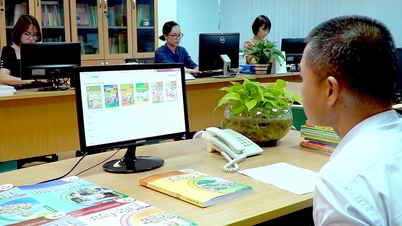
The adaptation unit will coordinate with general education institutions to organize technical experiments and evaluate user experience on representative groups of students and teachers. Experimental reports must include indicators of latency, technical errors, ease of operation and effectiveness of use. The minimum number of experimental periods is equal to 10% of the total number of periods in the general education program of each subject and educational activity.
After the experiment, the conversion unit is responsible for editing, proofreading and completing the electronic textbook template for submission for review.
Electronic textbooks will be edited and updated according to printed textbooks. The editing and updating process is the same as the conversion process, except for the experimental part. In case the adjusted version needs to be re-experimented, the Minister of Education and Training will decide.
Source: https://vietnamnet.vn/bo-gd-dt-khong-chen-quang-cao-goi-y-mua-sam-vao-sach-giao-khoa-dien-tu-2468713.html


![[Photo] Cat Ba - Green island paradise](/_next/image?url=https%3A%2F%2Fvphoto.vietnam.vn%2Fthumb%2F1200x675%2Fvietnam%2Fresource%2FIMAGE%2F2025%2F12%2F04%2F1764821844074_ndo_br_1-dcbthienduongxanh638-jpg.webp&w=3840&q=75)








































![[VIMC 40 days of lightning speed] Da Nang Port: Unity - Lightning speed - Breakthrough to the finish line](https://vphoto.vietnam.vn/thumb/402x226/vietnam/resource/IMAGE/2025/12/04/1764833540882_cdn_4-12-25.jpeg)



































Comment (0)