

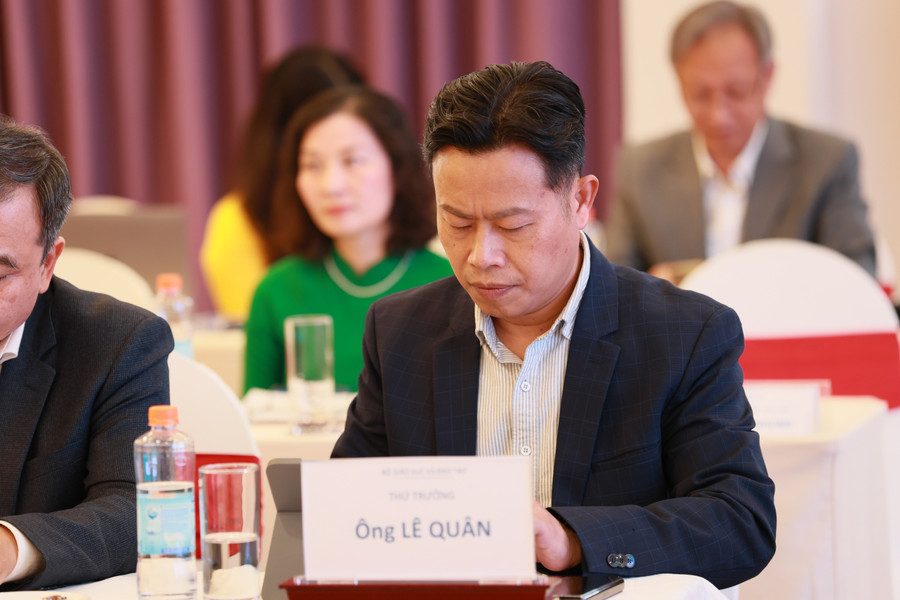
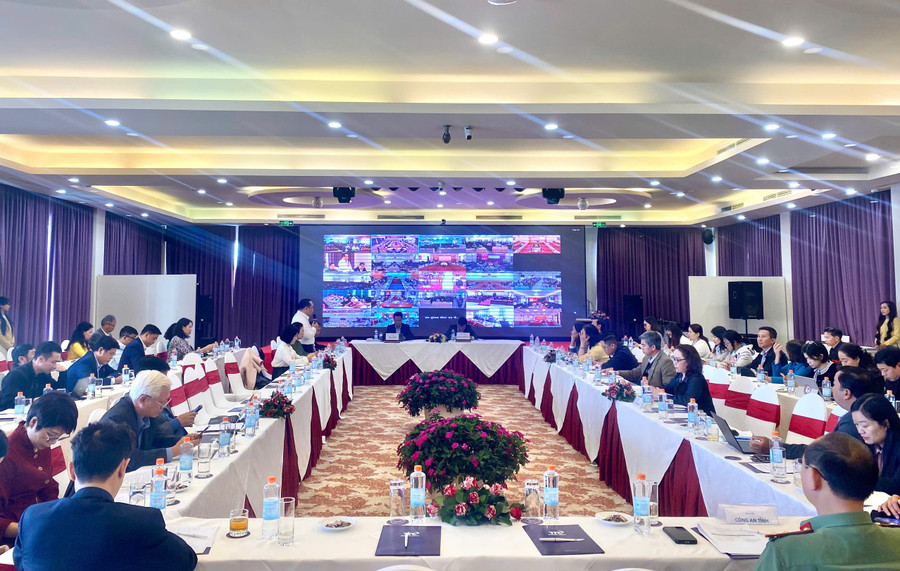
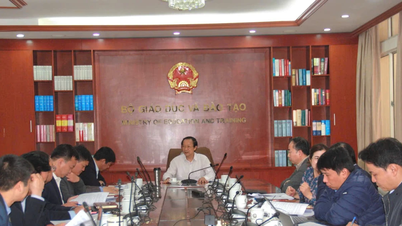
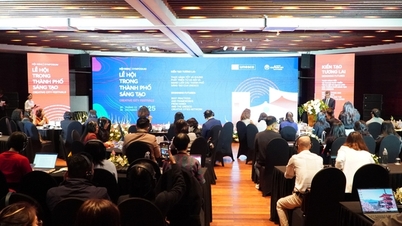
At the same time, it summarized 3 years of implementing Directive 08/CT-TTg on building school culture and the Program on educating revolutionary ideals, ethics, lifestyle and arousing aspirations for dedication in youth, adolescents and children (2021-2030). Deputy Minister of Education and Training Le Quan attended and directed the conference.
Speaking at the opening of the conference, Mr. Hoang Duc Minh, Director of the Department of Students (Ministry of Education and Training) said that, based on the Party's major policies, the Prime Minister issued Decision No. 1299/QD-TTg dated October 3, 2018 on the Project "Building a culture of behavior in schools for the period 2018-2025"; Directive No. 08/CT-TTg dated June 1, 2022 on strengthening the work of building school culture and Decision No. 1895/CT-TTg dated November 11, 2021 of the Prime Minister approving the Program "Strengthening education on revolutionary ideals, ethics, lifestyle and arousing aspirations for youth, teenagers and children for the period 2021-2030" which have created a foundation, orientation, tasks and synchronous solutions for the whole sector.
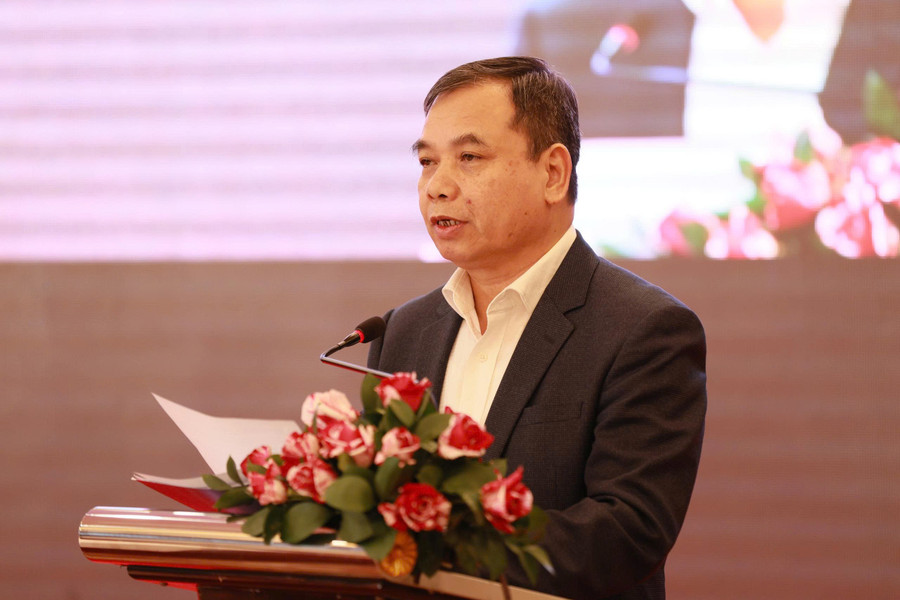
After 8 years of implementing Decision No. 1299, Directive No. 08 and Decision No. 1895, there have been positive changes, but also many challenges that require efforts in the coming time.
In this summary conference, Director of the Department of Students Hoang Duc Minh proposed that experts, scientists , education managers, teachers and delegates will have frank and substantive exchanges, suggesting many practical solutions for moral education and lifestyle for students, building school culture in the new period.
Presenting the introductory report, Ms. Nguyen Thi Nhung, Deputy Head of the Department of Students (Ministry of Education and Training) informed that after 8 years of implementing Decision No. 1299, Directive No. 08 and Decision No. 1895, there has been a clear change in students' awareness and behavior, contributing to improving the school cultural environment. Among them, one of the outstanding results is The educational environment is improved in the direction of "green - clean - beautiful - safe - friendly - happy".
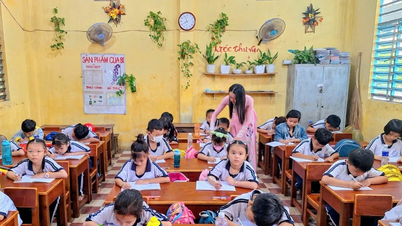
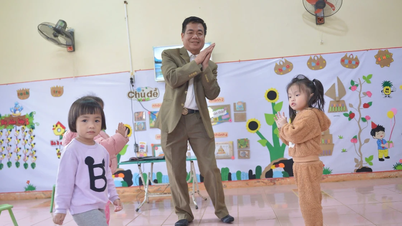
Building "green, clean, beautiful, safe" schools and replicating models such as "Happy Schools" have created positive educational spaces where students feel safe, respected and motivated to study and practice.
Many schools have focused on building pedagogical landscapes, green and clean spaces; civilized, respectful and loving codes of conduct; saying no to violence, prejudice and discrimination. Many schools have become “cultural spaces”, where every day at school is a happy day, contributing to nurturing the love of school, teachers, friends and the aspirations of students.
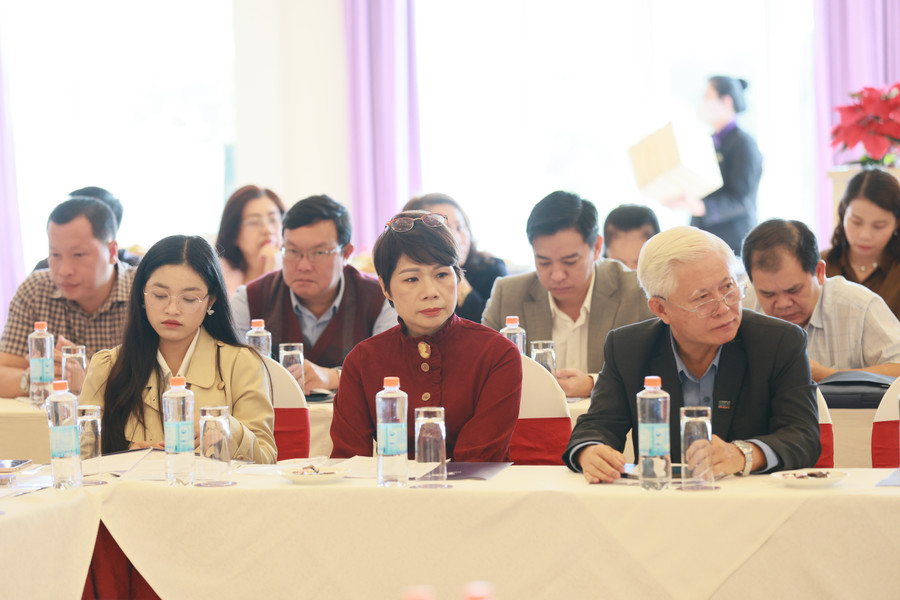
However, besides positive results, the report also pointed out difficulties and limitations such as: a part of students are affected by a pragmatic, deviant lifestyle; lack of selective skills, "immunity" to negative impacts from social networks and toxic information.
Some parents still leave the entire educational task to the school. Effective assessment tools are still limited, mainly limited to the number of activities, while measuring changes in attitudes, behaviors, and value systems of students does not have truly scientific indicators and assessment methods.
According to Ms. Nguyen Thi Nhung, Deputy Head of the Department of Students, in the coming time, it is necessary to perfect institutions and policies on school culture, moral education, and lifestyle for students in the new context; Improve the quality of staff, especially the team doing counseling and psychological and social support in schools; Strengthen digital ethics education and cultural behavior skills on cyberspace for students; Build coordination mechanisms, mobilize resources and enhance accountability of subjects in the educational ecosystem.
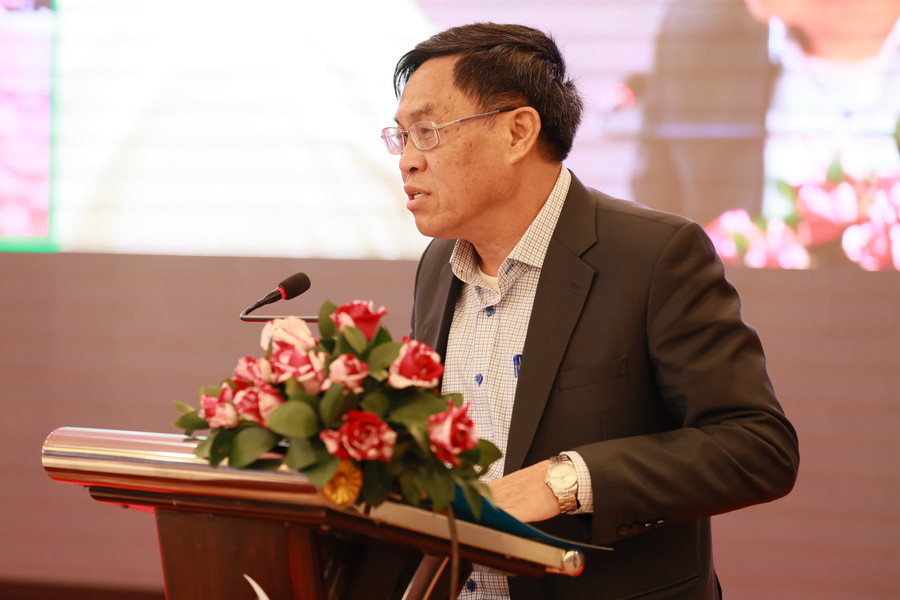
In the morning, delegates presented papers focusing on the issues: Sharing experiences, models, effective methods, promoting the exemplary role of teachers and management staff; strengthening coordination between schools - families - society in educating personality, lifestyle, and awareness of law compliance for students.
At the same time, propose specific and feasible solutions and recommendations on mechanisms, policies, resources and implementation organization, to improve the effectiveness of moral and lifestyle education for students; persistently build school culture and quality culture in the coming time, associated with the implementation of new resolutions and conclusions of the Central Committee and the Politburo.
Source: https://giaoducthoidai.vn/bo-giao-duc-va-dao-tao-tong-ket-cac-chuong-trinh-xay-dung-van-hoa-hoc-duong-post759431.html

![[Photo] Cat Ba - Green island paradise](/_next/image?url=https%3A%2F%2Fvphoto.vietnam.vn%2Fthumb%2F1200x675%2Fvietnam%2Fresource%2FIMAGE%2F2025%2F12%2F04%2F1764821844074_ndo_br_1-dcbthienduongxanh638-jpg.webp&w=3840&q=75)



























































Comment (0)