

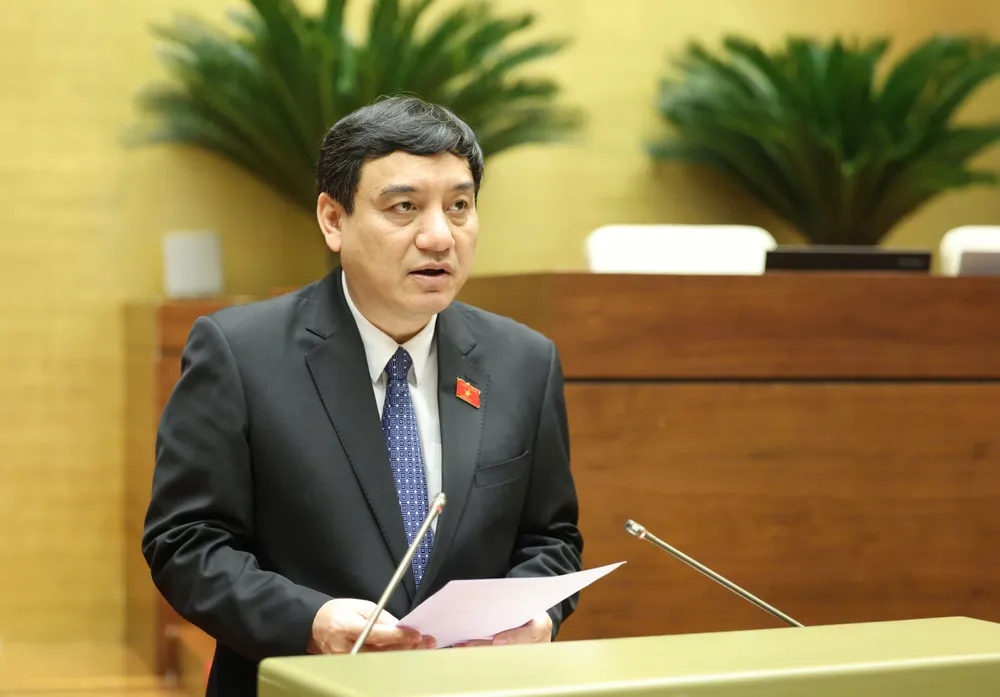
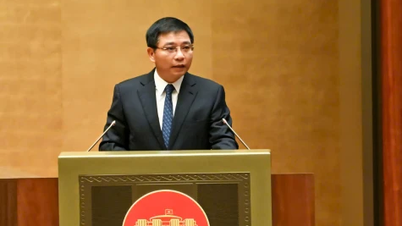
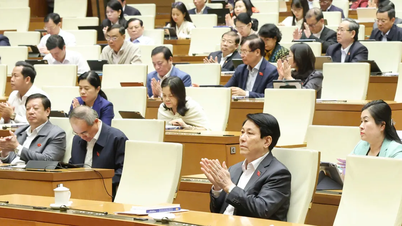
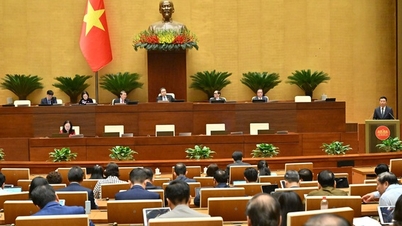
Presenting the report on explanation, acceptance and revision of the draft law, Chairman of the Committee on Culture and Society Nguyen Dac Vinh said there were opinions suggesting adding separate provisions regulating key multimedia press agencies or special press agencies, allowing these agencies to maintain independent legal status and not be mechanically merged.
Incorporating comments, the draft law has defined a key multimedia press agency as an agency with many types of press, with affiliated units, enjoying a special financial mechanism and established in accordance with the strategy for development and management of the national press system approved by the Prime Minister . The Government will specify the specific financial mechanism for each key multimedia press agency, in accordance with the level of autonomy. The draft law stipulates that the leader of a key multimedia press agency is allowed to concurrently hold the position of leader of one or more affiliated press agencies.
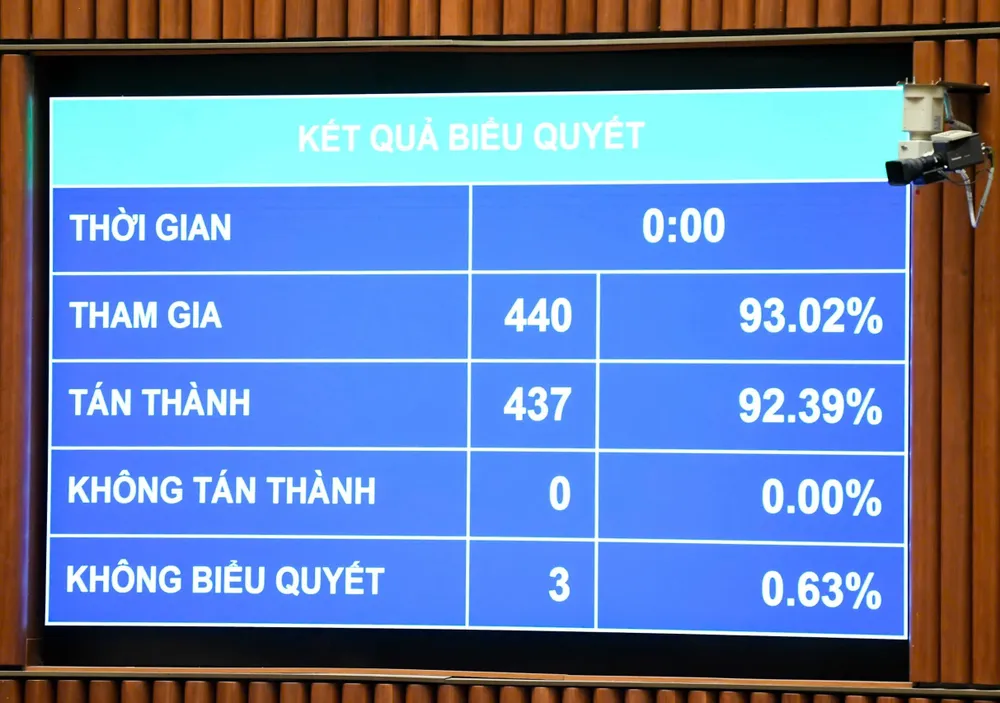
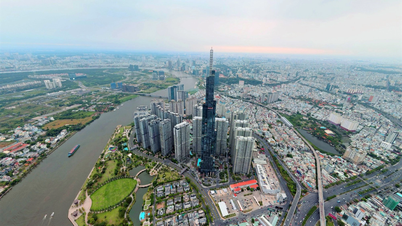
Notably, the explanatory report clearly stated a number of opinions suggesting piloting the model of a multi-media press group or consortium in Hanoi and Ho Chi Minh City. The National Assembly Standing Committee said that the Government has assigned the Ministry of Culture, Sports and Tourism to summarize the press development and management plan, in which it is expected to propose additional viewpoints for Hanoi and Ho Chi Minh City to establish a multi-media press agency. This content will be specified in the press development strategy after receiving opinions from competent authorities.
In response to delegates' opinions, the draft law has revised Article 29 to regulate the management of press activities in cyberspace as strictly as with traditional press; integrate online services, ensure the integrity of information content posted on digital platforms; and at the same time, add regulations on the application of artificial intelligence (AI) in press activities. The Government will specify in detail the responsibilities of press agencies when using artificial intelligence systems.
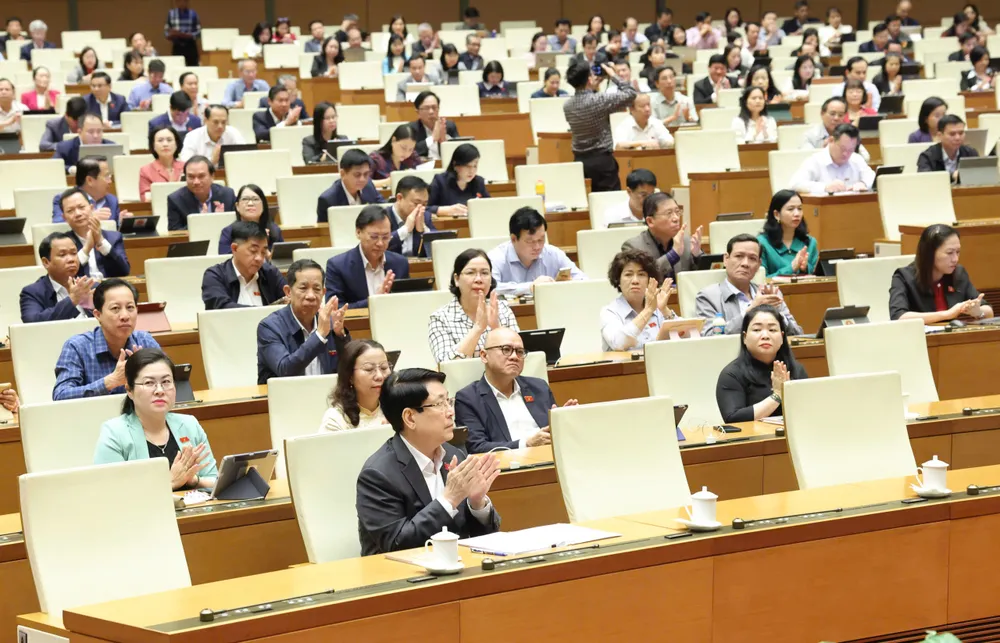
Regarding the contents related to "press economy", absorbing the opinions of delegates, the National Assembly Standing Committee directed the review and adjustment of regulations related to public investment, autonomy mechanism, and regulations on revenue from business activities of press agencies.
After being absorbed and revised, the draft law, consisting of 4 chapters and 51 articles, closely follows the goals, viewpoints and major policies approved by the National Assembly, promptly institutionalizes the Party's guidelines and policies, and meets the practical requirements of press management and development in the current period.
Compared to the current law, the amended Press Law has the following fundamental new points:
- Clearly define the different types of journalism in the new context;
Supplementing press development policies and ensuring resources for implementation, from financial mechanisms to infrastructure investment and tax incentives in a more feasible direction;
- Clarifying press operating conditions, licensing mechanisms and organizational structure;
- Identify key multimedia news agencies, representative offices, and resident correspondents;
- Specific regulations regarding journalist cards and legal responsibility for information content;
- The right to request corrections and removal of infringing information on platforms;
- Complete regulations on managing press activities in cyberspace and applying new technologies, including regulating the application of artificial intelligence (AI).
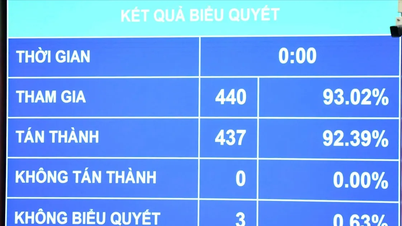
This law will come into effect on July 1, 2026.
Article 20 stipulates the sources of revenue for press agencies, including:
a. Revenue provided by the press management agency;
b. Revenue from selling printed newspapers; selling the right to read, listen to, and view journalistic works and journalistic products; advertising; exchanging and buying and selling copyrights; allowing exploitation and use of journalistic works;
c. Revenue from business activities, services, and partnerships of press agencies and their affiliated units;
d. Income from financial activities and capital contributions to businesses (if any);
d. Revenue from providing public service activities as assigned, ordered, or tendered by competent state agencies;
e. Revenue from the implementation of tasks, programs, schemes, and projects assigned or approved by competent authorities;
g. To collect fees from individuals who wish to publish their scientific research papers in order to fund peer review, refinement, and improvement of the paper's quality;
h. Revenue from legal sponsorship and aid from domestic and foreign organizations and individuals (if any) and other legal revenue sources.
Source: https://www.sggp.org.vn/bo-sung-dinh-huong-moi-ve-co-quan-bao-chi-chu-luc-da-phuong-tien-o-tphcm-va-ha-noi-post827864.html


![[Photo] Explore the US Navy's USS Robert Smalls warship](/_next/image?url=https%3A%2F%2Fvphoto.vietnam.vn%2Fthumb%2F1200x675%2Fvietnam%2Fresource%2FIMAGE%2F2025%2F12%2F10%2F1765341533272_11212121-8303-jpg.webp&w=3840&q=75)















































































Comment (0)