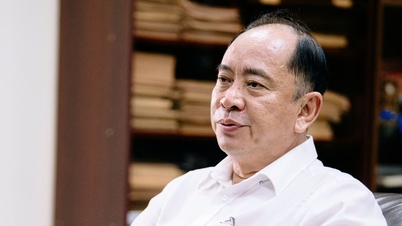
According to Dr. Le Phuc, Deputy Director of the Dak Lak Provincial Center for Disease Control: Common illnesses such as the flu, sore throat, bronchitis, or pneumonia can affect the health of everyone, especially children, the elderly, and those with underlying medical conditions.
Common causes of pneumonia include both viruses and bacteria; it can cause illness ranging from mild (such as cough, runny nose, sore throat, etc.) to severe (such as pneumonia, respiratory failure). Older adults and those with chronic conditions such as cardiovascular disease, asthma, chronic obstructive pulmonary disease, or diabetes are at higher risk of developing severe illness and complications.
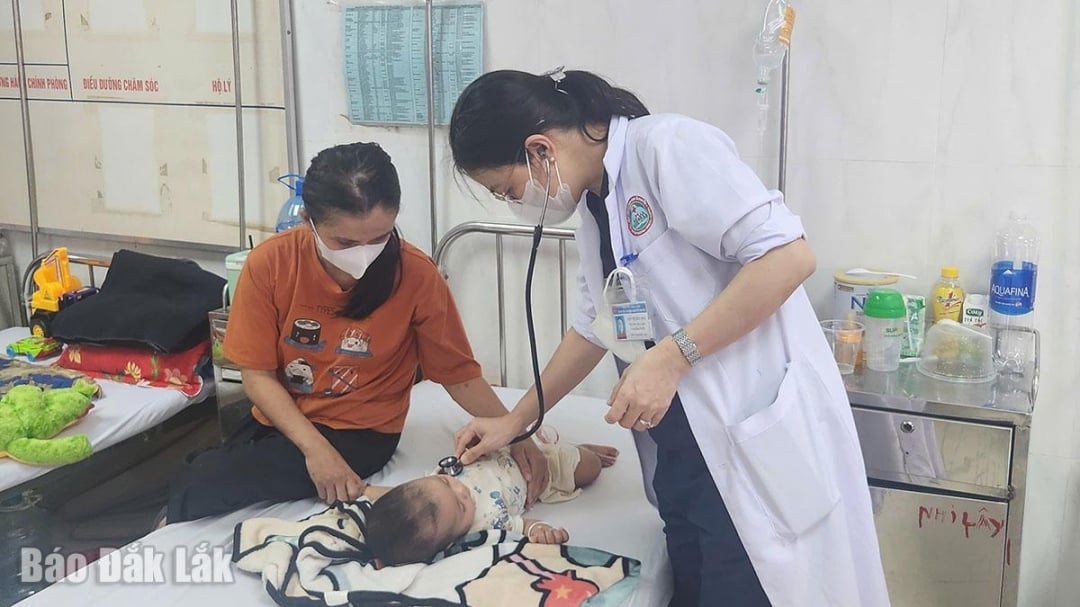 |
| Young children are particularly susceptible to respiratory illnesses when the weather turns cold. |


During cold weather, some elderly people have a habit of smoking cigarettes to ward off the cold and keep their bodies warmer. However, according to health experts, this is a harmful habit because inhaled cigarette and pipe smoke damages the mucous membranes of the respiratory tract, such as the throat, trachea, and bronchi, thus increasing the risk of opportunistic infections. Smokers often suffer from chronic respiratory infections; the more they smoke in cold weather, the higher the risk of respiratory infections, and acute pharyngitis, sinusitis, and bronchitis are more likely to occur. Dry weather , dusty conditions, or living in polluted environments, often using charcoal, wood, or oil stoves, also have a significant negative impact on the respiratory system. Crowded housing and poor ventilation are also contributing factors that make the elderly more susceptible to respiratory diseases.
Respiratory infections manifest as sneezing, runny nose, nasal discharge, sore throat, cough, chest tightness, and sometimes difficulty breathing. Acute pharyngitis or sinusitis may cause fever, headache, discomfort, and poor appetite and sleep. Elderly individuals with chronic pharyngitis or chronic rhinitis are more susceptible to bronchitis and pneumonia. It's important to note that in the elderly, acute bronchitis and pneumonia often don't cause a significant increase in body temperature compared to younger individuals, leading to misdiagnosis as a mild illness and potentially worsening the condition. Furthermore, some chronic diseases, such as asthma and chronic obstructive pulmonary disease (COPD), are prone to recurrence in cold weather, especially in the elderly, where dangerous complications are likely to occur, particularly acute respiratory failure, which can be life-threatening if not treated promptly.
Dr. Le Phuc advises: To proactively prevent respiratory illnesses during the cold season, it is important to quit smoking, especially for the elderly who already suffer from sore throats, bronchitis, asthma, or chronic obstructive pulmonary disease. It is also necessary to eat a balanced diet, get adequate rest, avoid staying up late, wear a mask in crowded places, and get all vaccinations. Daily oral hygiene is essential; brush your teeth after meals, before and after waking up; rinsing your mouth and throat with saline solution is even better. When coughing or sneezing, cover your mouth and nose with a tissue, cloth, or your elbow to limit the spread of droplets into the environment; then, wash your hands thoroughly with soap and water or use an alcohol-based hand sanitizer if water is not available.
In addition, getting enough sleep and doing light exercise helps boost the body's resistance during the cold season, fighting against respiratory viruses and bacteria. When symptoms such as cough, fever, or fatigue appear, rest at home, keep your living space well-ventilated, and limit the spread of illness to others. When symptoms such as persistent dry cough, shortness of breath, chest tightness, or fever appear, patients should not self-medicate with antibiotics but should seek medical attention from a respiratory specialist. Especially, getting vaccinated against influenza, pneumococcal disease, etc., can reduce the risk of respiratory complications.


Source: https://baodaklak.vn/xa-hoi/202512/can-trong-voi-benh-viem-duong-ho-hap-d8c0d82/