

| Reasons for the continued rise in sugar prices worldwide. MC13: G-33 countries propose solutions to ensure long-term food security. |
In recent years, global food security has suffered from overlapping crises stemming from conflict, geopolitical tensions, climate change, and the Covid-19 pandemic, leading to severe disruptions in food supplies.
These disruptions are further exacerbated by several “food bottlenecks,” such as in the Red Sea, where Houthi fighters based in Yemen have attacked merchant ships and caused instability in food shipments through the Suez Canal. Reduced shipping through the Panama Canal due to drought has also affected river transport systems such as the Mississippi and Rhine rivers.
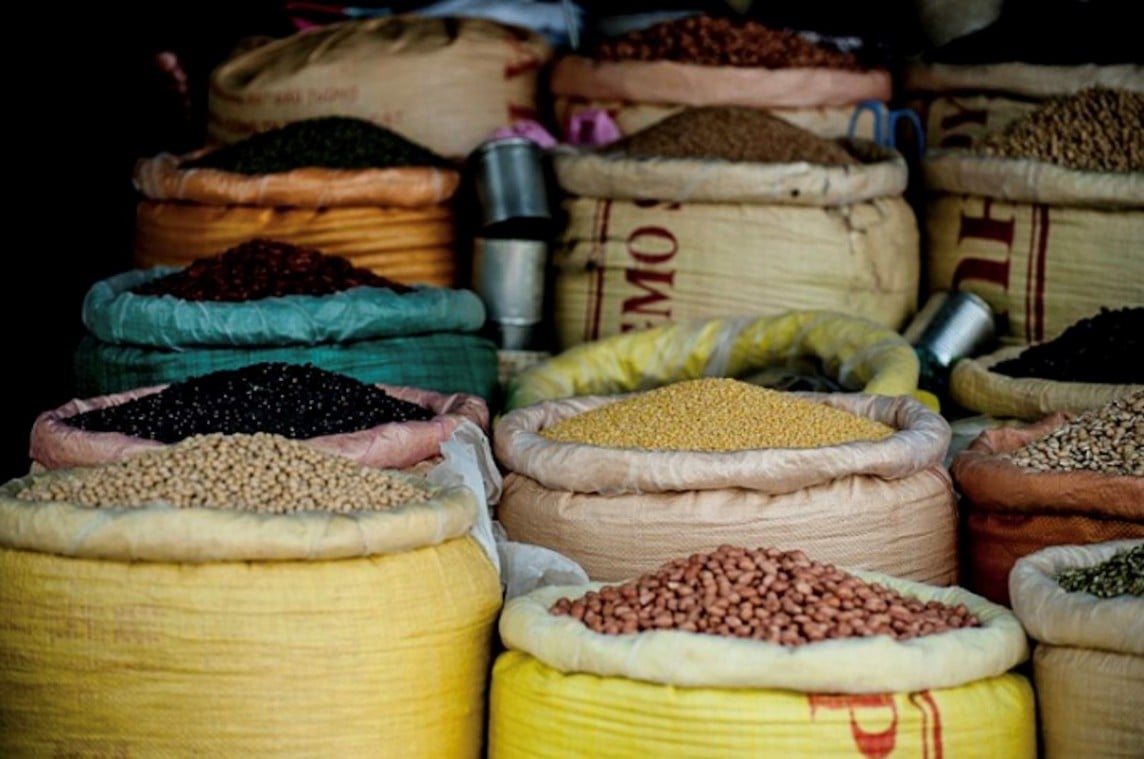 |
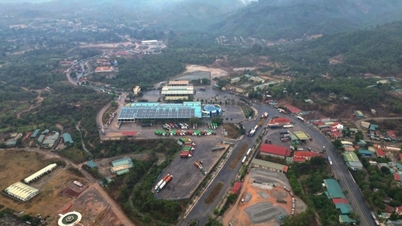
| Illustrative image |
Because the global food system is increasingly dependent on the movement of food from a few major “breadbasket” exporting regions to food-scarce areas around the world – often through these “food bottlenecks” – reliance on specific transport routes further increases pressure on global food security.
It also impacts the competitiveness of agricultural products, delivery schedules, and the availability and price of food. Longer transit times also put perishable food at risk, while disruptions such as schedule changes strain cargo handling and road transport sectors, causing significant delays.
Impact on Asia
For both food exporting and importing countries, challenges are emerging. Exporting countries may face pressure on profit margins, leading to lower prices for producers, while importing countries grapple with the potential for higher transportation costs, resulting in higher food prices, greater price volatility, and changing consumption patterns.
Southeast Asia, East Asia, and South Asia face increasing vulnerability due to their dependence on European and Black Sea markets for crucial agricultural products and fertilizers. Import disruptions pose inflation risks, contributing to the cost of living crisis.
Trade disruption impact
The U.S. announced plans in late December 2023 for a task force to counter Houthi attacks in the Red Sea, but this is unlikely to immediately address trade disruptions and food price inflation. The ongoing disruption of supply chains, coupled with escalating geopolitical tensions, raises concerns about the weaponization of food and fertilizer supplies.
In the context of recurring crises, urgent reforms to food systems are essential. Governments and policymakers must prioritize preparedness and resilience building at the national and regional levels to address food security issues and mitigate future impacts.
For many net food-importing countries in Asia, in addition to increasing national reserves, governments and policymakers should diversify their sources of supply to minimize supply chain disruptions. A prime example is Singapore, which, despite importing over 90% of its food, has mitigated its vulnerability to fluctuations in food prices and supply through connections with over 180 countries and regions.
This strategy has largely been successful, helping Singapore enjoy the second most affordable cuisine in the world, after Australia. The average Singaporean household spends less than 10% of its monthly expenses on food, compared to 38% in the Philippines. Furthermore, the Philippines, a country with a large food deficit and low affordability, imports nearly 80% of its agricultural products. Food inflation in the Philippines reached 8% in 2023.
Facilitating access to food
Nationwide, governments must implement early action plans and strengthen social safety nets to alleviate the burden of the cost of living crisis. Initiatives such as food relief, cash assistance, and food stamp programs for low-income households can help ease the burden.
Subsidies and tax measures that could provide temporary relief could also be considered. With average households spending more than one-third of their income on food in countries like the Philippines and low-income households in countries like Indonesia spending up to 64% on food monthly, addressing food price inflation is crucial to protecting middle- and lower-income households from malnutrition.
To address issues related to food supply, accessibility, and affordability, Asian governments dependent on food imports could sign agreements with regional agricultural exporters such as grain and oilseed powerhouses Australia and New Zealand. Doing so could avoid the risks posed by bottlenecks.
A greater focus on intra-regional trade could also be encouraged, for example in Southeast Asia, where there are major exporters of key agricultural products including rice (Vietnam and Thailand) and palm oil (Malaysia and Indonesia). Increased intra-regional trade could reduce regional reliance on food imports while increasing regional access to food, stabilizing markets, and fostering economic development. This could be supported by initiatives that encourage investment in regional agricultural research and development to boost production of other staple commodities (such as wheat) and reduce reliance on imports.
Looking ahead
For Asian governments and policymakers, the ongoing supply chain disruptions in the Middle East serve as a reminder of the importance of food supplies and national and regional agro-food systems.
Against a backdrop of ongoing food price inflation and malnutrition, countries must find ways to address these interconnected concerns at the national and regional levels in both the short and long term. By implementing policy measures such as diversifying food imports and strengthening social safety nets, the region has a better chance of preparing for the food security challenges ahead.
Source






















![[Photo] Prime Minister Pham Minh Chinh holds a phone call with the CEO of Russia's Rosatom Corporation.](/_next/image?url=https%3A%2F%2Fvphoto.vietnam.vn%2Fthumb%2F1200x675%2Fvietnam%2Fresource%2FIMAGE%2F2025%2F12%2F11%2F1765464552365_dsc-5295-jpg.webp&w=3840&q=75)












































Comment (0)