

The European seed industry is considered the most diverse in the world . Teams of plant breeders have helped maintain Europe's biodiversity and ensure an abundant food supply, but their work is threatened by the patent industry.
The copyright evasion battle
Although patenting plants is illegal in the European Union (EU), plants created through technological means are classified as technical innovations and are therefore still patentable. This means that small-scale breeders can no longer freely grow these seeds or use them for research purposes without paying licensing fees.
Around 1,200 naturally occurring seed varieties have been patented across Europe, with agricultural chemical companies claiming to have created them through technological advancements. The European Patent Office (EPO) is known to be the primary grantor of these patents. The EPO's scope covers 39 countries, extending beyond the 27 EU member states. The EPO manages the approval of European patents through a centralized process. As a consequence, this centralized control over seeds reduces genetic diversity, as small and medium-sized breeders have less genetic material to work with. This could lead to decreased resilience to climate disasters and disruptions to food supplies.
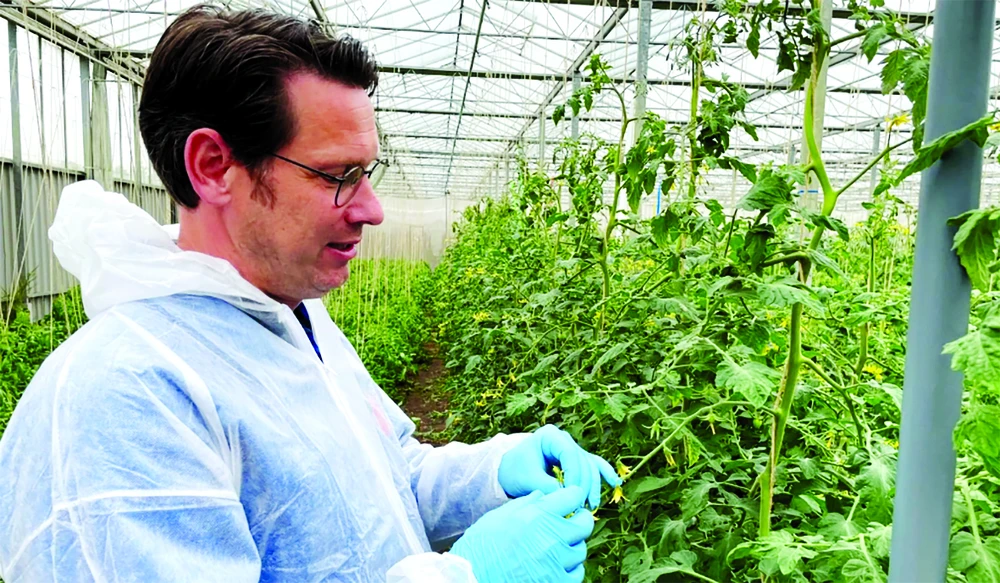
Frans Carree, an organic breeder at the Dutch company De Bolster, is trying to develop a tomato variety resistant to the brown wrinkled fruit disease virus. However, his efforts are being hampered by dozens of patent applications for this disease resistance from multinational companies such as BASF, Bayer, and Syngenta. Although the patents have not yet been granted, they create legal uncertainty and make it difficult for Carree's investment to pay off. For years, small breeders, farmer groups, and environmental organizations have warned that more and more biomaterials are being privatized through patents.
In response, in 2017, the European Commission (EC) issued a notice clarifying the 1998 Biotechnology Directive, stating that “products obtained by basic biological processes” are not patentable. Since then, the EPO has followed the commission’s interpretation and banned patenting of conventionally bred crops, a decision welcomed by breeders and farmers.
In every crisis lies an opportunity.
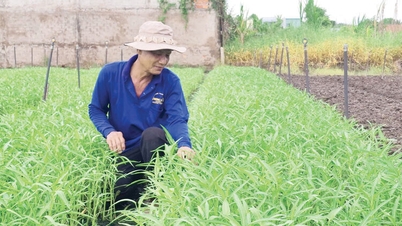
Competing with or avoiding the required seed characteristics for patents adds further burden to farmers, who already face numerous difficulties in agricultural production; however, it is also one of the factors driving farmers to seek new directions, especially in organic farming. Organic farming is more efficient than traditional farming in some areas, particularly when aiming to maintain soil fertility, accumulate nutrients, or avoid the harmful effects of artificial fertilizers as best as possible. In England and Wales, organic farming of grains, fruits, and vegetables directly reduces greenhouse gas emissions by 20%, while emissions from livestock farming are reduced by approximately 4%.
Agricultural businesses in Europe all need support from national and bloc budgets. Common agricultural policy is the largest item in the EU budget. Every seven years, EU countries renegotiate how they want to support their farmers. Farmers emphasize the extreme importance of these subsidies, especially during extreme weather. The average annual profit of a German agricultural business is €115,000, but this fluctuates wildly, sometimes dropping to as low as €20,000 due to rising costs, disease risks, and weather conditions.
More and more farms in Germany are operating organically. According to the Federal Statistical Office in 2023, approximately one-tenth of farms in Germany – around 28,700 – were operating organically. Statisticians say the area under organic farming in Germany has increased particularly sharply. While it stood at 1.6 million hectares in 2020, it has recently risen to 1.85 million hectares. Compared to Germany's total agricultural land of 16.6 million hectares, the proportion of organic farming has increased from 9.6% to 11.2%. The number of organic farms in livestock farming also increased by 11% to approximately 19,200 farms between 2020 and 2023.
VIET ANH compilation
Source: https://www.sggp.org.vn/chau-au-doi-mat-thach-thuc-ban-quyen-hat-giong-post756793.html

![[Photo] Closing Ceremony of the 10th Session of the 15th National Assembly](/_next/image?url=https%3A%2F%2Fvphoto.vietnam.vn%2Fthumb%2F1200x675%2Fvietnam%2Fresource%2FIMAGE%2F2025%2F12%2F11%2F1765448959967_image-1437-jpg.webp&w=3840&q=75)


![[Photo] Prime Minister Pham Minh Chinh holds a phone call with the CEO of Russia's Rosatom Corporation.](/_next/image?url=https%3A%2F%2Fvphoto.vietnam.vn%2Fthumb%2F1200x675%2Fvietnam%2Fresource%2FIMAGE%2F2025%2F12%2F11%2F1765464552365_dsc-5295-jpg.webp&w=3840&q=75)







































![[OFFICIAL] MISA GROUP ANNOUNCES ITS PIONEERING BRAND POSITIONING IN BUILDING AGENTIC AI FOR BUSINESSES, HOUSEHOLDS, AND THE GOVERNMENT](https://vphoto.vietnam.vn/thumb/402x226/vietnam/resource/IMAGE/2025/12/11/1765444754256_agentic-ai_postfb-scaled.png)










































Comment (0)