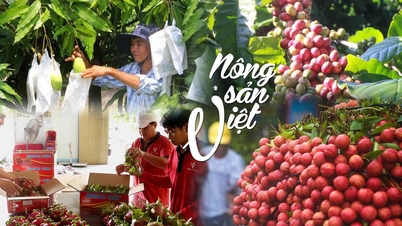
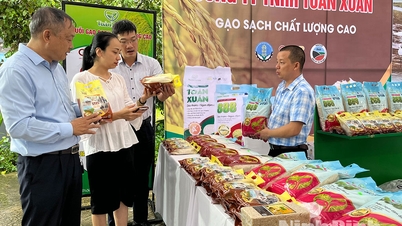
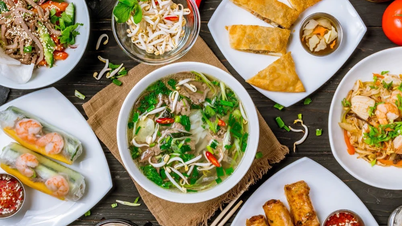
Vietnam and Qatar are facing many opportunities for cooperation in developing the Halal industry, benefiting both countries. The Embassy encourages Vietnamese businesses to visit the market to explore and directly assess local tastes and consumer trends in order to develop appropriate business strategies.
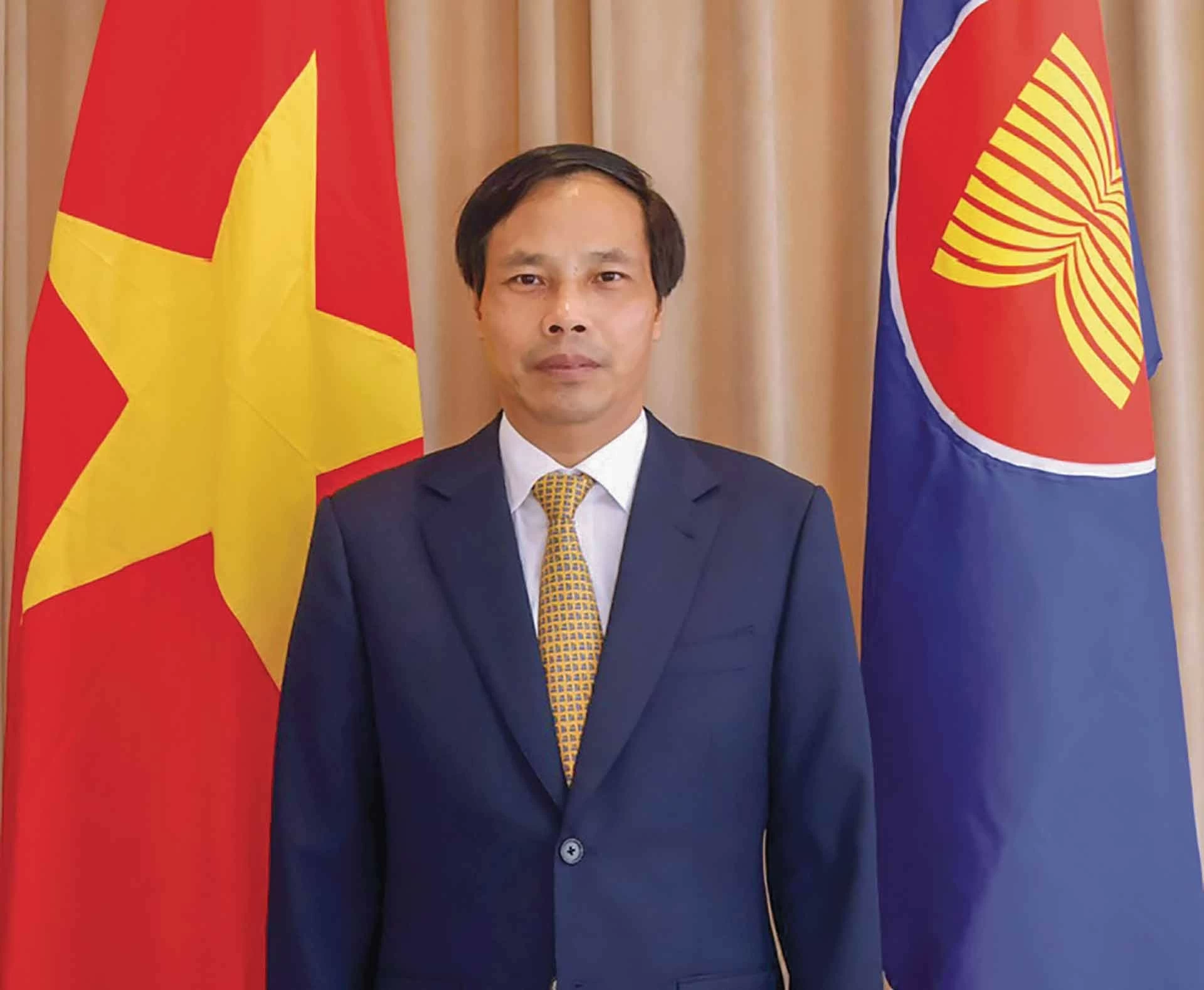 |
| Vietnamese Ambassador to Qatar Nguyen Huy Hiep. |
This was the assertion of the Vietnamese Ambassador to Qatar, Nguyen Huy Hiep, in an interview with the World and Vietnam Newspaper regarding opportunities for Vietnamese businesses to conquer the Halal market in this Middle Eastern country.
Ambassador, could you elaborate on the potential for cooperation between Vietnam and Qatar in developing the Halal industry?
Vietnam and Qatar are facing many opportunities for cooperation in developing the Halal industry, bringing many benefits to both countries.
Despite being a developed country with one of the highest per capita incomes in the world, Qatar still needs to import up to 90% of its food, including Halal food, due to unfavorable natural conditions. Meanwhile, Vietnam, with its diverse natural resources and abundant agricultural and food products, has the potential to become an important partner in ensuring food security for Qatar.
Given the rapid growth of the Halal market and the fact that Halal products are consumed by both Muslims and non-Muslims, Qatar is a market worth considering for Vietnamese businesses. It serves as both a consumer market and a potential gateway and transit point for Vietnamese Halal products to penetrate the regional market, primarily food, and later other products such as fashion , pharmaceuticals, and cosmetics.
Besides increasing exports of Halal food to the Qatari market and the region, the two countries also have potential for cooperation in the field of Halal tourism, where Vietnam can provide tourism products and services that meet Islamic standards, especially for the high-end Qatari customer segment. The Embassy recognizes that the trend of tourism expanding to Southeast Asia and beyond countries familiar to Qatari tourists such as Thailand and Malaysia is becoming more popular. Therefore, Vietnam needs to be well-prepared to welcome the wave of tourism from Muslim countries.
According to the Ambassador, it is clear that there are significant opportunities for Vietnamese businesses to access and penetrate Qatar's Halal market.
The Halal market is rapidly growing globally, not only in Muslim-majority countries, with the Middle East considered a region with great potential. Vietnam has many agricultural products, food items, and processed products that meet the Halal requirements and standards of Qatar.
Relations between the two countries have seen positive developments recently. Our leaders have been paying close attention to strengthening multifaceted relations with the Middle East and the Gulf region, including Qatar. These conditions are quite favorable for Vietnamese businesses to seek cooperation with Qatari partners to develop Halal products and expand their consumer market.
Besides the advantages, Vietnamese businesses wanting to conquer the Middle Eastern market also face numerous challenges.



It must be recognized that Vietnam is still a relatively new name on the global Halal map, while many of our ASEAN friends, most notably Thailand, have long established Halal product brands.
Fortunately, in recent times, the Vietnamese Government, ministries, localities, and business community have become more aware of the potential of the global Halal market and have made many efforts to standardize and unify the management of Halal certification and standards.
The establishment of the National Halal Certification Center on April 24, 2024, is an important first step towards professionalizing the production and export of Vietnamese products that meet Halal standards.
For Qatar, the Halal standard is basically similar to the standards of the Gulf Cooperation Council (GCC), and for some products like seafood, it's even less stringent than Saudi Arabia's standards. Therefore, since Halal products have already entered the GCC market, the opportunity to access the Qatari market is much more favorable. Of course, achieving Halal certification to enter Qatar or the GCC also requires thorough research into the market, customer preferences, and appropriate investment in capital and human resources from businesses.
Compared to the vast markets of Saudi Arabia and the United Arab Emirates (UAE), the market for Halal products in Qatar is smaller. Nevertheless, the competition is fierce, as Vietnamese businesses must share market share with established companies from the Middle East, South Asia, and Southeast Asia, notably those from Syria, Lebanon, Iran, Oman, India, Pakistan, Sri Lanka, and Thailand. In this context, besides quality, businesses need to consider factors such as price, variety of flavors, and designs to remain competitive.
The Embassy encourages businesses to explore the market, directly assess local tastes and consumer trends to develop appropriate business strategies. The Embassy is always ready to support and assist in receiving and promoting high-quality Halal products from Vietnamese businesses to the local market.
Ambassador, what should Vietnamese businesses keep in mind when accessing the Halal market in Qatar?
To access and penetrate the Qatari market, in my opinion, Vietnamese businesses need to pay attention to several issues such as: Thoroughly understanding Qatar's Halal regulations and standards, consumer tastes and habits, and business practices of the local market. Seeking and building reliable partnerships in the area to obtain support in market entry and building credibility for their products.
Businesses need to invest in promoting and marketing their products to attract the attention of local consumers and Muslim immigrants, potentially participating in local Halal industry events and exhibitions. Businesses should focus on thoroughly understanding the culture and religion of Qatari citizens and immigrant communities who have a need for Halal products, ensuring product quality and food safety according to Qatari, regional, and international standards.
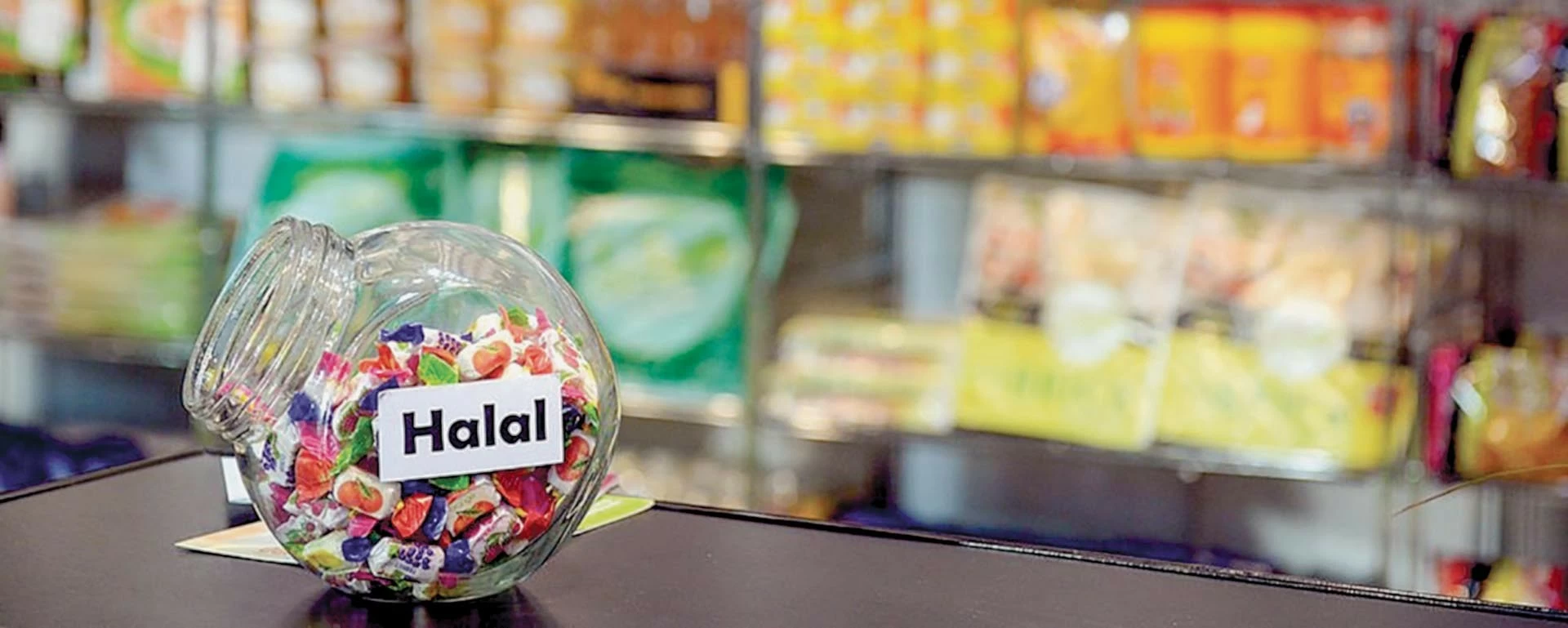 |
| Halal Qatar is a market worth considering for Vietnamese businesses. (Source: Getty Images) |
Another factor is that to successfully export Halal products to Qatar, Vietnamese businesses must first comply with customs regulations on import and export of goods, and food exports in general, to this market. This includes regulations on certificates of origin, labeling, language, etc. Qatar's regulations on food are regularly updated by the Food Safety Department of the Ministry of Health, and are an important source of information that businesses should refer to before exporting goods.



Recently, the Embassy has researched and sent relevant documents to relevant ministries and agencies in Vietnam, such as the Guidelines on Halal Food Import, the list of licensed Islamic establishments for Halal slaughtering certification, and Halal product certification issued by the Qatari Ministry of Health. This document details the requirements for products to meet Halal standards when imported into Qatar, and lists Islamic certification bodies worldwide recognized by Qatar, including those in Vietnam. Businesses can refer to this document for necessary and useful information when selecting suitable export products (note that Qatar's Halal standards apply strictly to meat and processed food products), as well as choosing reputable Vietnamese establishments to obtain Halal certification, ensuring product access to the market.
Given the potential and opportunities mentioned above, what is the Embassy's direction in promoting cooperation in the Halal industry between the two countries?
In the coming period, the Embassy will continue to maintain and promote cooperative relations with relevant authorities and business associations in Qatar to understand and provide market information, local Halal regulations and standards, seek cooperation opportunities, and introduce and connect Vietnamese businesses with their counterparts, such as at the upcoming Doha Coffee International Exhibition (September 26-28), Food Qatar and Qatar Halal Forum (November 12-14).
In addition, the agency will also support the promotion and introduction of products, promote joint cooperation projects in the field of Halal, and strengthen cooperation and experience sharing in the production and processing of Halal products.
At the same time, the Embassy will promote the signing of documents between relevant agencies of the two countries to create a legal framework for cooperation in the field of Halal, initially between the General Department of Standards and Metrology of Vietnam and the Qatar Standards Authority.
Source: https://baoquocte.vn/chinh-phuc-thi-truong-halal-qatar-284328.html










































































![[INFOGRAPHICS] Can Tho implements the Strategy for Ethnic Affairs until 2030, with a vision to 2045](https://vphoto.vietnam.vn/thumb/402x226/vietnam/resource/IMAGE/2026/06/28/1782658308447_1782658217.webp)