

This content is mentioned in the report submitted to the National Assembly regarding some issues related to the questioning of the Ministry of Culture, Sports and Tourism, signed by Minister Nguyen Van Hung.
Accordingly, the salary system is calculated for most civil servants with the professional title of actor grade 4, with a salary coefficient ranging from 1.86 to 4.06. Actor grade 3 is calculated from a salary coefficient ranging from 2.34 to 4.98.
According to surveys and assessments, currently, civil servants in the arts field with 10 years of service (averaging 35 years old) receive approximately 5 million VND after deducting social insurance contributions, only slightly more than the regional minimum wage.
Newly appointed civil servants in the acting category (average age 25) will have a salary coefficient of 1.86 for a Grade B, Level 1 civil servant; after deducting 10.5% for social insurance, their salary income will be lower than the regional minimum wage, failing to meet their living expenses, including food, housing, and transportation.
Regarding the specific monetary compensation rates, the minimum training compensation is 35,000 VND per session and the maximum is 80,000 VND per session; the minimum performance compensation is 80,000 VND per performance and the maximum is 200,000 VND per performance.
However, from 2015 to the present, after six increases in the basic salary, the specific allowance mentioned above has remained unchanged, failing to keep pace with the needs of life. Therefore, it has not encouraged or motivated civil servants and professional workers in the performing arts field.
Regarding retirement age, civil servants in public service units in the performing arts sector may retire at a younger age, but not more than 5 years younger than the retirement age stipulated in these documents, unless otherwise provided by law.
Due to the unique nature of the profession, artists and actors undergo extremely elaborate and lengthy training (7-12 years, and in some disciplines, 15-16 years), typically starting from the age of 10 and possessing innate talent. Their performing careers are relatively short, averaging around 15 to 20 years.
When people reach the age of 35-40 (for women) and 40-45 (for men), their performance ability declines, significantly affecting the quality of their professional work in performing arts such as: circus acts, contortion, ballet, etc.
According to the Ministry of Culture, Sports and Tourism, performing arts professionals who have reached the end of their working years but are not yet old enough to retire face difficulties in transitioning from acting to administrative or managerial positions because they do not meet the standards for civil servant/administrative recruitment exams, as the majority of these performers only have vocational secondary school diplomas.
On the other hand, in reality, actors who have passed their prime but have not yet reached retirement age often wish to resolve issues related to their benefits in order to retire early.
Therefore, the Ministry of Culture, Sports and Tourism proposes developing a policy for civil servants in the performing arts sector, included in the "List of arduous, hazardous, and dangerous occupations and especially arduous, hazardous, and dangerous occupations and jobs," to be considered for early retirement upon request after having participated in social insurance for 20 years or more, with the pension amount based on the social insurance contribution rate.
The Ministry also proposed a decree regulating the training of specialized and specialized fields in the arts, including regulations on recruitment policies for graduates of these specialized fields who possess talent and aptitude suitable for the job positions.
This ministry also proposes amending and supplementing regulations on preferential professional allowances, training allowances, and performance allowances for civil servants and professional workers in the performing arts sector to suit the practical situation.
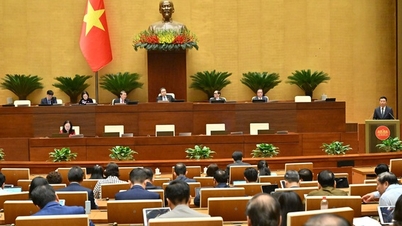
According to the schedule, on the afternoon of June 5th, before the National Assembly , Minister Nguyen Van Hung will answer questions regarding the selection, training, and policies for athletes and artists in various artistic fields; and addressing employment issues for athletes and artists after their peak performance and competition periods.
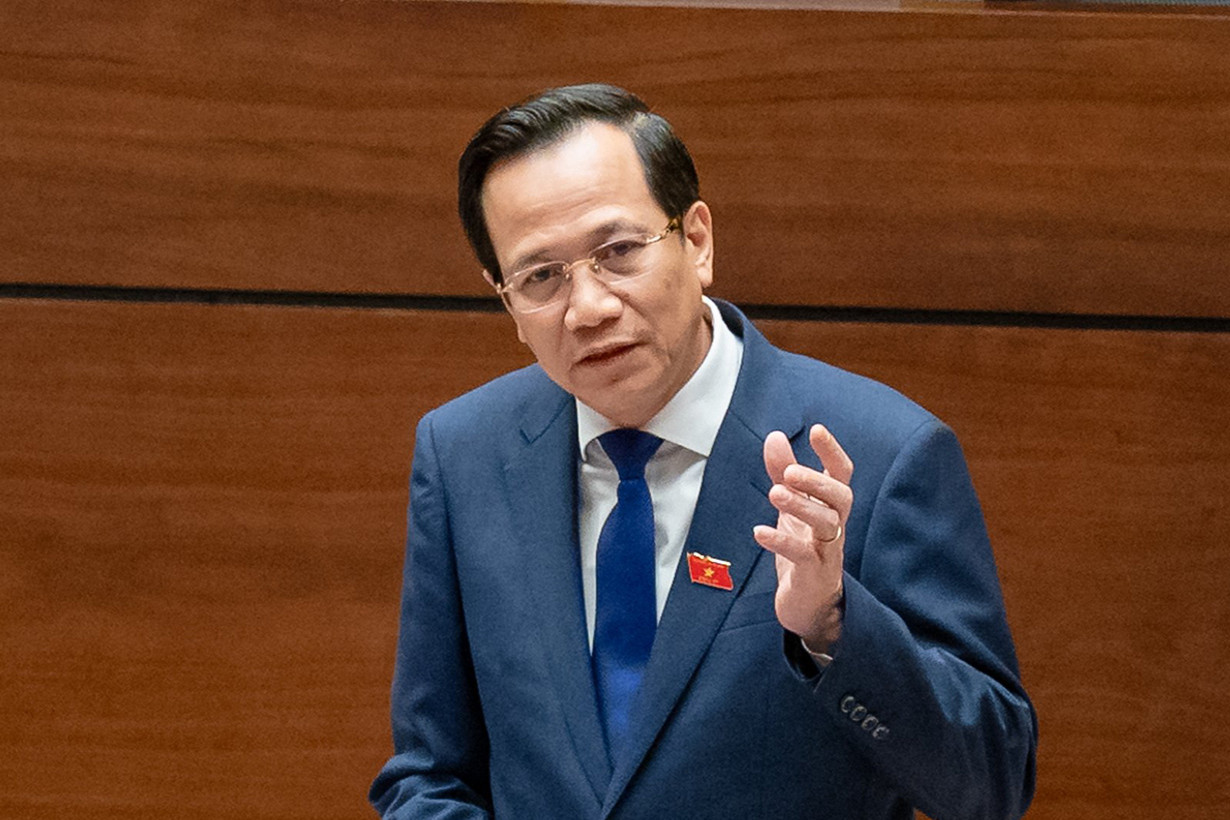
The proposed pension scheme will set the highest possible level after the salary reform.
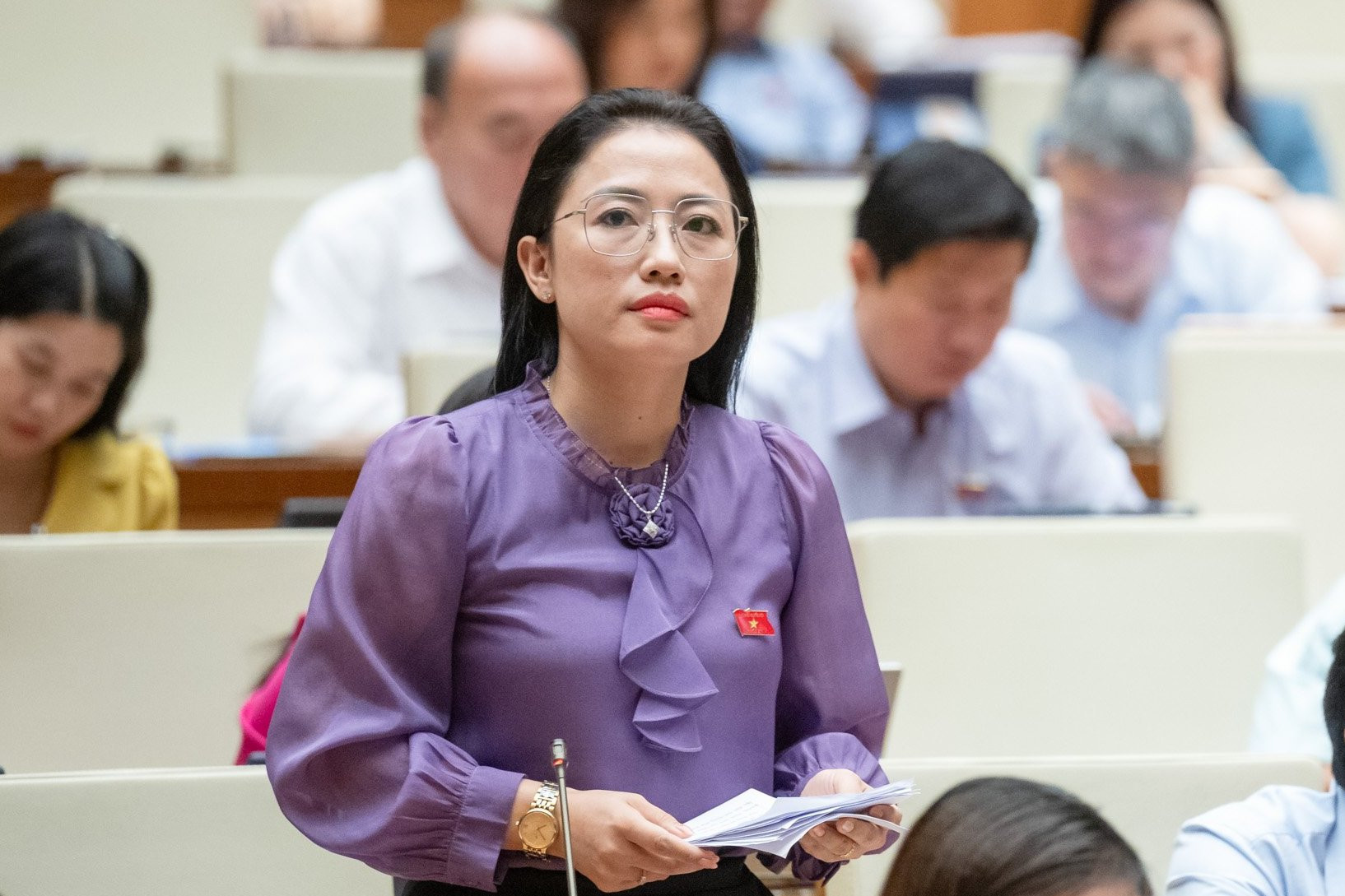
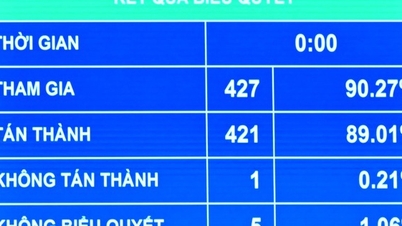
National Assembly deputies express concerns about how pensions will be calculated during salary reform.
Source: https://vietnamnet.vn/de-xuat-vien-chuc-nganh-nghe-thuat-la-cong-viec-nang-nhoc-xem-xet-ve-huu-som-2286994.html


![[Photo] Explore the US Navy's USS Robert Smalls warship](/_next/image?url=https%3A%2F%2Fvphoto.vietnam.vn%2Fthumb%2F1200x675%2Fvietnam%2Fresource%2FIMAGE%2F2025%2F12%2F10%2F1765341533272_11212121-8303-jpg.webp&w=3840&q=75)

























![[Video] The craft of making Dong Ho folk paintings has been inscribed by UNESCO on the List of Crafts in Need of Urgent Safeguarding.](https://vphoto.vietnam.vn/thumb/402x226/vietnam/resource/IMAGE/2025/12/10/1765350246533_tranh-dong-ho-734-jpg.webp)




























































Comment (0)