

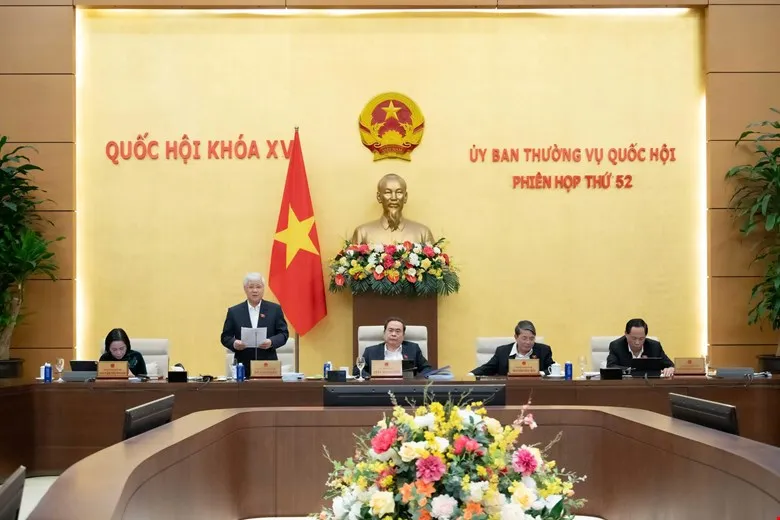
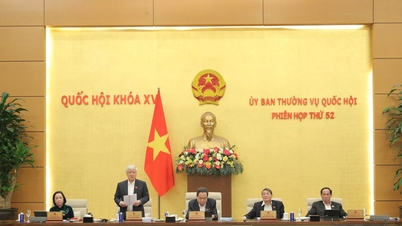
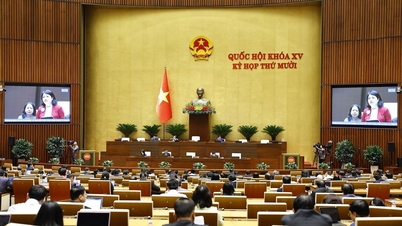
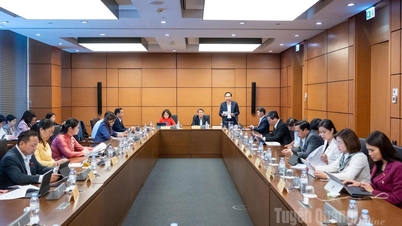
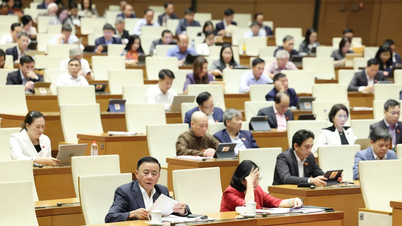
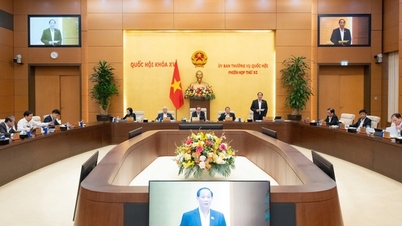
Continuing the 52nd session, the National Assembly Standing Committee listened to and commented on the draft Law on Specialized Courts at the International Financial Center.
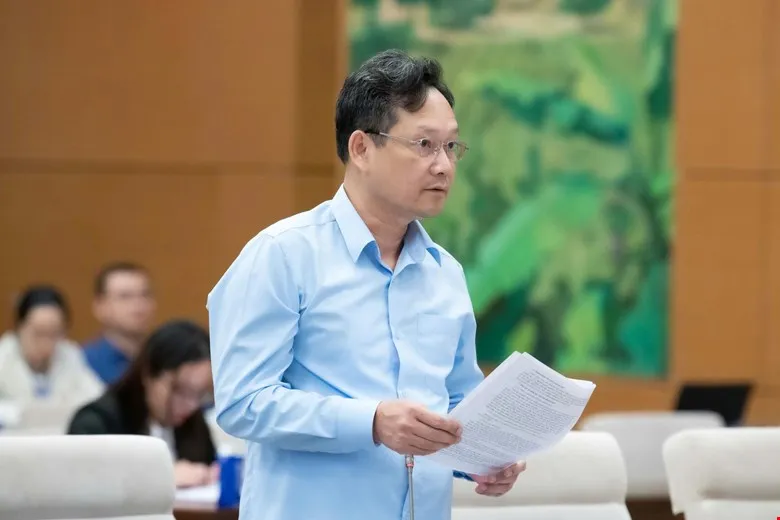
One of the most important breakthroughs in this draft law is that judges of specialized courts can be foreigners who meet a number of standards: have prestige, good moral qualities, and appropriate professional knowledge; have at least 10 years of experience in adjudicating and resolving cases related to investment and business activities; have English proficiency to resolve cases at specialized courts; not over 75 years old and have health to ensure the completion of assigned tasks.
Regarding the application of law and proceedings, the draft stipulates in principle that the parties may agree to choose to apply foreign law, international commercial practices, or international treaties to which Vietnam is not a member to resolve disputes, provided that at least one participating party is a foreign individual or organization.
This flexibility allows investors from many countries to choose to apply international law, international commercial practices, or the law of any country, without being limited to the law of the common law system, civil law or other legal system.
In case the parties agree to choose to apply Vietnamese law, the law regulating investment and business activities at the International Financial Center will be applied.
However, foreign laws, international commercial practices, and international treaties to which Vietnam is not a member shall not be applied if the consequences of their application are contrary to Vietnam's public order. The Government has clarified that the use of the concept of "public order" (instead of "fundamental principles of Vietnamese law") is necessary to conform to international practice.
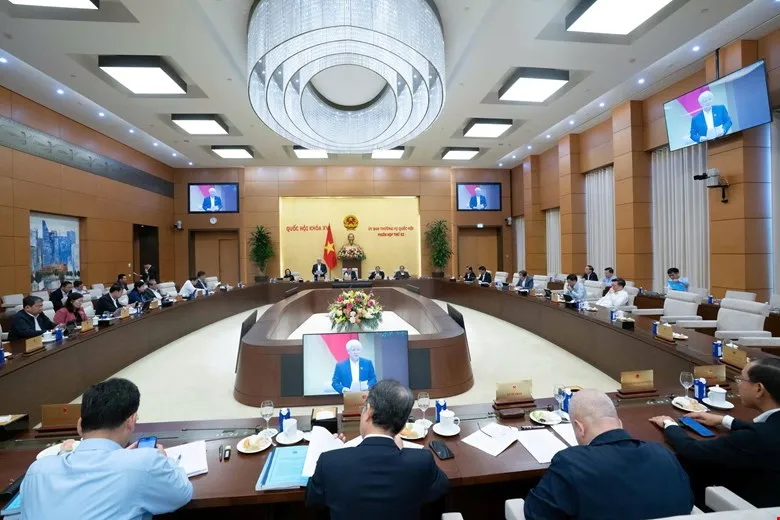
The draft also stipulates the application of fundamental and core contents of common law proceedings to resolve disputes. The specific order and procedures will be specified in detail by the Supreme People's Court in the procedural rules of the specialized court in a flexible, specific, superior direction, resolving cases quickly and effectively.
Notably, the judge has the authority to apply the precedents of the specialized court to resolve the case. The judge can decide to apply or not apply one or several procedural procedures when deemed necessary. In particular, there is no regulation on the time limit for preparing for trial, the time limit for providing evidence, or the time limit for settlement, but rather the judge is given the right to proactively decide on this issue.
The first instance trial is simplified by one judge without the participation of people's assessors (except in complicated cases at the request of the parties, the chief judge decides by a panel of three judges). The appeal trial is by a panel of three judges.
The draft does not stipulate that the Procuracy participates in supervising judicial activities at the Special Court. This is consistent with international practice, where common law systems do not have the participation of the Procuracy in trials.
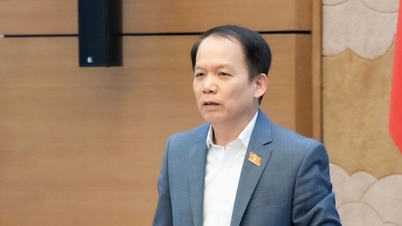
Briefly presenting the report on the review of the draft law, Chairman of the Law and Justice Committee Hoang Thanh Tung stated that the committee agreed with the necessity of promulgating it with political, legal and practical bases as stated in the submission of the Supreme People's Court.
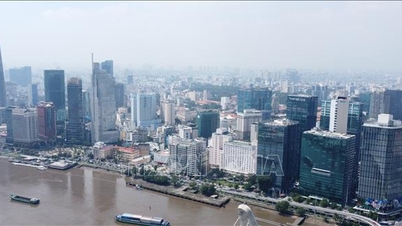
The Committee agrees with the draft's provisions on the establishment of a specialized court located in Ho Chi Minh City; the organizational structure of the court including the court of first instance, the court of appeal and the supporting apparatus; regulations on judges and specialized court clerks; on the jurisdiction of the court and the language and writing used before the specialized court; reasonable fees for lawyers and other relevant regulations.
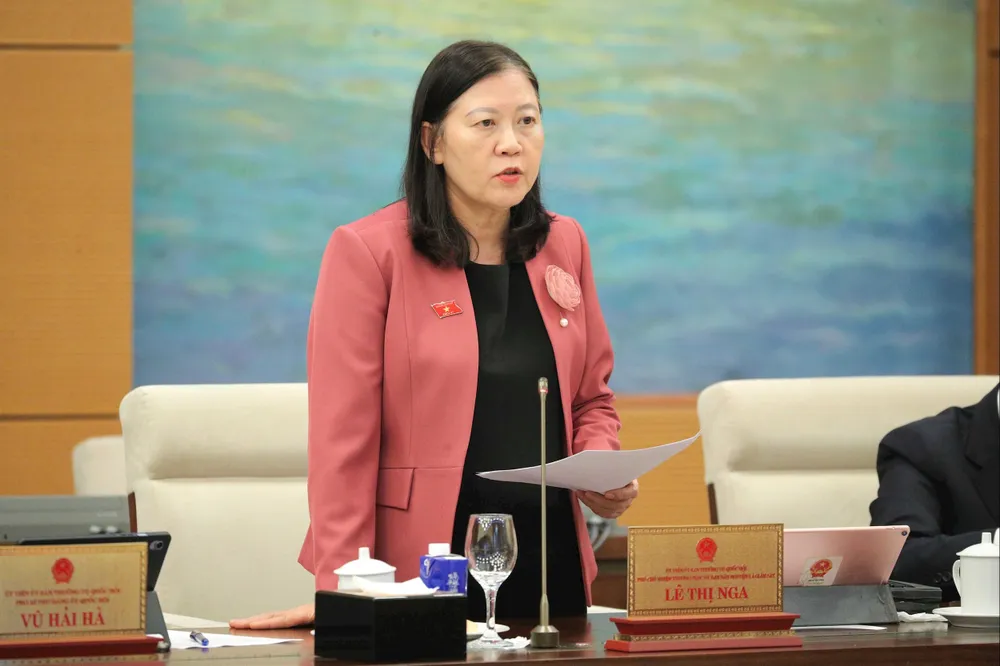
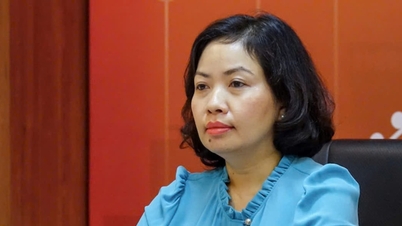
Commenting on the composition of the first-instance and appeal trial in Article 14 of the draft law, Permanent Deputy Chairwoman of the People's Aspirations and Supervision Committee Le Thi Nga agreed with the viewpoint of a first-instance trial with one judge; in complicated disputes, if requested by the parties, the chief judge of the specialized court shall assign a first-instance trial panel of 3 judges; for appeal trials, it shall consist of 3 judges. This provision ensures simplification of the composition of the trial panel while still ensuring caution and strictness in special cases.
Regarding the authority to appoint chief justices of specialized courts, the Standing Deputy Chairman of the People's Aspirations and Supervision Committee agrees with the first view that the chief justices of specialized courts are appointed, dismissed, and removed from office by the Chief Justice of the Supreme People's Court. Such a provision ensures consistency and uniformity in the authority of the Chief Justice of the Supreme People's Court in appointing leadership and management positions in the People's Court system.
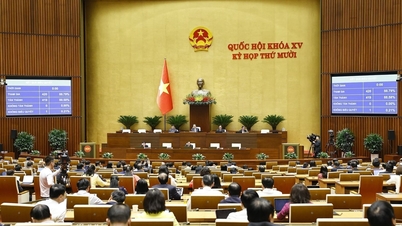
Concluding the session, National Assembly Standing Vice Chairman Do Van Chien stated that the National Assembly Standing Committee highly appreciated the Supreme People's Court for actively and promptly preparing the draft law dossier. The draft law is eligible to be submitted to the National Assembly for consideration and decision at the 10th session.
Source: https://www.sggp.org.vn/du-kien-tham-phan-toa-an-chuyen-biet-co-the-la-nguoi-nuoc-ngoai-post826695.html

![[Photo] Cat Ba - Green island paradise](/_next/image?url=https%3A%2F%2Fvphoto.vietnam.vn%2Fthumb%2F1200x675%2Fvietnam%2Fresource%2FIMAGE%2F2025%2F12%2F04%2F1764821844074_ndo_br_1-dcbthienduongxanh638-jpg.webp&w=3840&q=75)



































![[VIMC 40 days of lightning speed] Hai Phong Port determined to break through, reaching the target of 2 million TEUs by 2025](https://vphoto.vietnam.vn/thumb/402x226/vietnam/resource/IMAGE/2025/12/04/1764816441820_chp_4-12-25.jpeg)






































Comment (0)