

The EUIPO – the international register of geographical indications (GIs) and the EU's leading partner in intellectual property – recognizes GIs as one of the factors driving tourism and making a significant contribution to the local economy . Accordingly, a GI is a sign indicating the geographical origin of a product from a specific region, locality, territory, or country.
GI (Geographical Indication) helps maintain high standards, prevents imitation, and ensures consumers receive genuine, top-quality products. To obtain a geographical indication, production processes must adhere to specific practices and strict quality control.
Regions known for their GI (Gibberish, Geographical Indication) status, such as Vietnam or Europe, typically attract a steady stream of tourists. These tourists are interested in local festivals, cuisine , products, and handicrafts. According to a 2020 report, GIs represent a sales value of €74.76 billion within the European Union. Products with GIs are priced two or three times higher than those without certification.
For travelers seeking a multi-sensory experience, consider Rheinhessen (Germany) or La Mancha (Spain) – two regions renowned for their GI (Geographical Indication) products.
Vast vineyards are a defining feature of Rheinhessen. (Source: Vecteezy) |
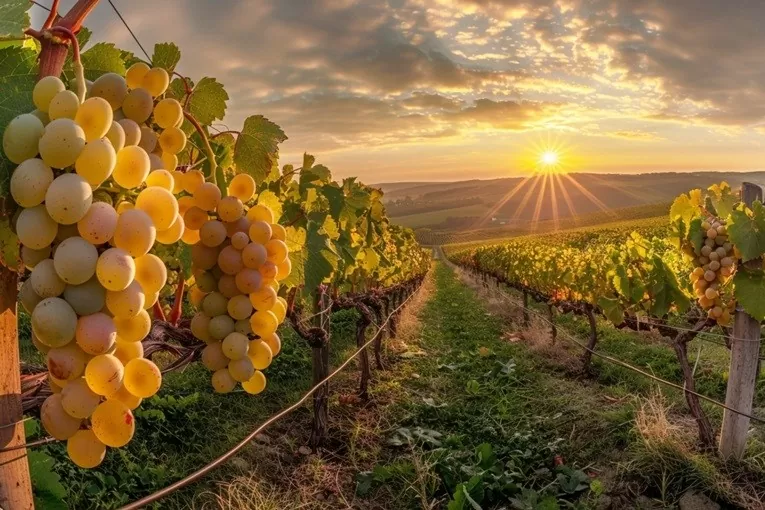
Rheinhessen - Germany's largest wine-growing region.
Located in central Germany, Rheinhessen is the country's largest wine-growing region, boasting over 27,000 hectares of vineyards. Its winemaking heritage dates back 2,000 years, making it renowned not only in Europe but globally.
Thanks to its diverse soils and favorable climate, Rheinhessen offers a range of grape products, including wine, sparkling wine, and semi-sparkling wine. Besides the dominant white wines, the region is also renowned for its rosé and red wines.
The GI wines here have a distinctive tropical fruit aroma, with hints of nutmeg. They range in color from pale yellow to golden yellow, with a balanced sweetness and acidity.
Typically, wines made from the Riesling grape reflect the diversity of the Rheinhessen region, possessing a crisp acidity, minerality, and fruity aromas. Aged in oak barrels, the wines acquire a distinctive fragrance due to the malolactic fermentation process.
The winemaker blends about 70% Riesling grapes with Silvaner, Müller-Thurgau, or Kerner grapes, known as "Liebfraumilch" - which has a semi-sweet flavor due to the residual sugar content.
The Rheinhessen wine region boosts the local economy. New producers are constantly emerging, eager to maintain this long-standing industry.
Vineyards spread across the hills are ideal for an active and relaxing holiday. A series of walking and cycling routes make it easy for visitors to explore the heritage vineyards.
In addition, Rheinhessen offers wine tasting tours. Visitors have the opportunity to learn about the production of one of Germany's finest wines.
La Mancha - a renowned cheese-producing region in Spain.
Queso Manchego is one of the world's iconic cheeses, originating from the vast plains of La Mancha, Spain. For many, La Mancha is quite familiar, being the birthplace of Don Quixote – a fictional character in Spanish literature.
Numerous documents in Europe clearly state that Queso Manchego is made exclusively from the milk of Manchega sheep – a breed well-adapted to harsh conditions. The sheep are carefully cared for, grazing only on the diverse vegetation of the La Mancha region. This diet gives the milk many unique characteristics, which are then transformed into cheese using a series of traditional methods.
Specifically, the cheese is aged for at least 30 days or up to two years, developing a rich and complex flavor over time. Many consumers rate Queso Manchego as versatile, with a firm, dense texture and ivory color, suitable for both traditional Spanish dishes and modern culinary creations.
Queso Manchego cheese is a famous Spanish cheese. (Source: European Commission) |
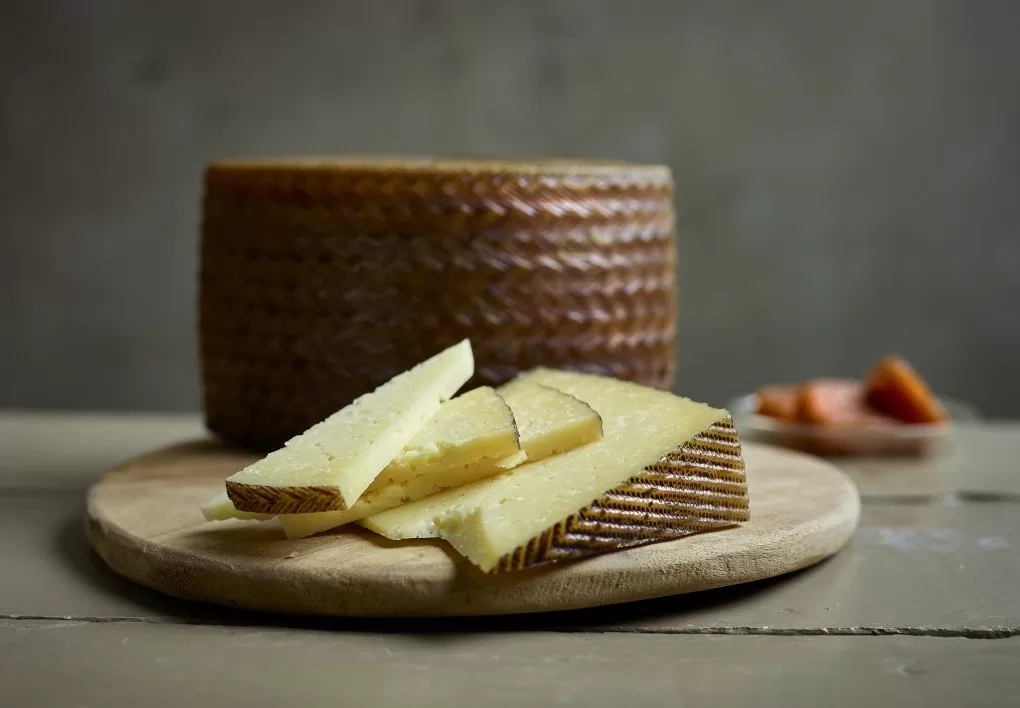
GI Queso Manchego plays a vital role in the culture and economy of La Mancha, attracting tourists and cheese lovers worldwide. The Manchego Cheese Management Council is tasked with promoting Queso Manchego.
The council collaborates with public and private organizations to disseminate information about the cheese, primarily through tasting events. Additionally, it conducts a series of guided visits to individual Queso Manchego cheese farms and factories in the region.
Source: https://baoquocte.vn/du-lich-chau-au-hut-khach-nho-di-san-trong-nho-nuoi-cuu-295726.html

























































































Comment (0)