

In many Chinese historical dramas, the image of a humble palace maid who receives the emperor's favor and gradually rises to a high position in the imperial harem is often portrayed.
This path to instant fame and fortune, though difficult, was the dream of many concubines and ladies-in-waiting in the palace. However, in reality, throughout feudal history, most palace women feared the emperor's favor. Why was that?
According to Sohu, there are three reasons why palace maids don't want to catch the emperor's eye.
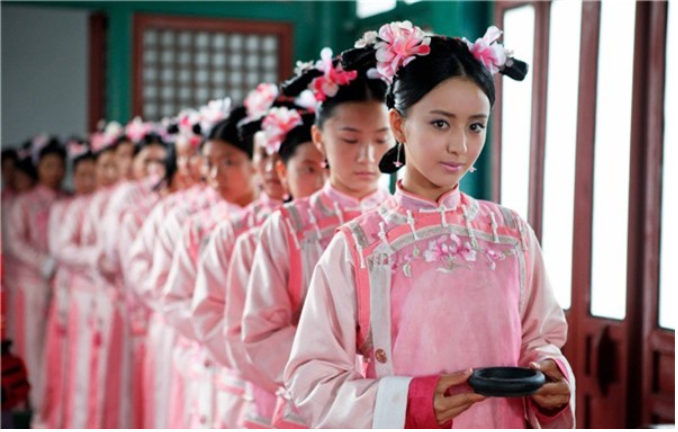
Despite having the opportunity to change their lives, the palace maids did not aspire to catch the emperor's eye. (Photo: Sohu)
Firstly , the distance between palace maids and the emperor was too great. Not every palace maid had the opportunity to serve the emperor closely. The residences of palace maids were usually arranged very far from the emperor's palace. Therefore, opportunities to meet the emperor were few, making the possibility of becoming his woman even rarer.
Secondly , they wanted to avoid a tragic fate. Even if a palace maid was lucky enough to be favored by the emperor, or even bear his child, her fate might not necessarily change. This was especially true for palace maids of low birth and without any support.
Historical records recount how palace maids who gained the emperor's favor often disappeared or were tortured to death. Those who carried the emperor's child were no exception; they were not allowed to be near or raise their offspring. Instead, they were forced to bury their youth in solitude.
Palace maids who did not bear the emperor's child had to continue working amidst the envy and ostracism of others. In old age, they returned home to loneliness and sorrow, as no ordinary man dared to love them, fearing to offend the emperor. In more painful cases, they might have to be buried alive with the emperor upon his death or become nuns in a temple. If they were lucky enough not to be buried alive, their only option was to spend their lives praying for the emperor at the temple until their death.

Being favored by the emperor led to jealousy and ostracism among the palace maids. (Image: Sohu)
Thirdly , the palace maids harbored resentment towards the emperor. Being a palace maid was not an easy position. They had to do everything from light to heavy work, performing a huge workload every day and often being mistreated. They had to do all the extremely strenuous work day and night, sometimes without even having time to eat. The work was arduous, but the demands of their masters were too high. No matter how hard they worked, they could hardly satisfy their masters, gradually leading to feelings of resentment.
A prime example is the near assassination attempt on Emperor Ming Shizong (reign name Jiajing) by a group of palace maids. According to historical records, the reason for this reckless act stemmed from the terrible mistreatment inflicted by Emperor Ming Shizong.
This emperor, wanting to create an elixir of immortality, used the menstrual blood of palace maids as an ingredient in his medicine. Emperor Ming Shizong forced the palace maids to abstain from food, allowing them only to drink dew, and many perished as a result of the emperor's wishes. Consequently, they gathered together and plotted to assassinate the emperor.
Quoc Thai (Source: Sohu)
Beneficial
Emotion
Creative
Unique
Wrath
Source



















































































Comment (0)