

From the "problem " of solar panel waste to clean tech startup ideas
Aiming for sustainable development, in the period 2017 - 2020, Vietnam has "exploded" with many solar power projects. Along with the development of projects, the "problem" of handling solar panels discharged after the end of their useful life (about 20 to 30 years) or handling panels damaged by factors such as natural disasters, storms and floods... is also raised.
There are 3 ways to handle discarded solar panels: Storage; landfill; recycling. Storage is only for short-term use. Burying solar panels with many heavy metals can pollute the soil and water environment. Therefore, the best solution for handling is recycling.
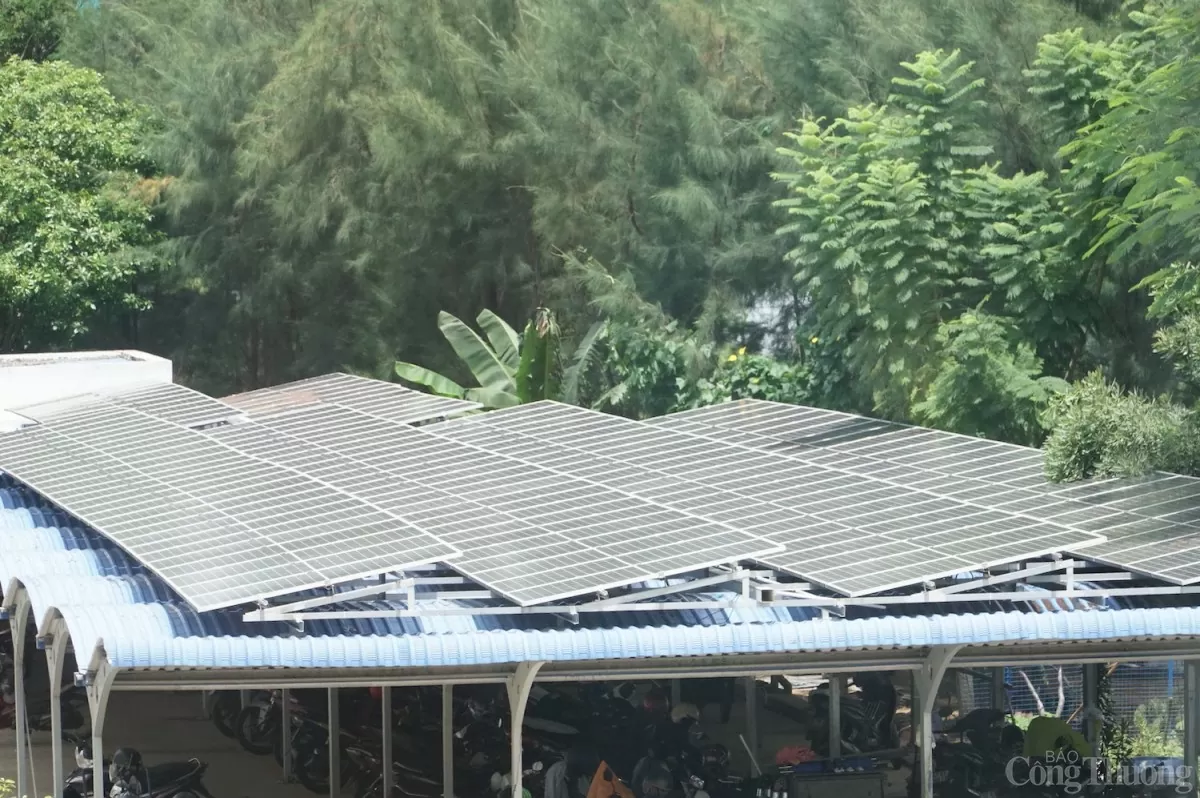 |
| The 5RTech startup project was born to anticipate the need to process discarded solar panels in Vietnam in the coming years in the direction of clean, sustainable technology that does not pollute the environment. |
Currently, in the world , there have been studies on technologies for processing solar panels. These technologies will fall into 2 main groups: Recycling that causes environmental pollution; recycling that does not cause environmental pollution.
Responding to this need, the DNIIT International Institute of Technology (a unit specializing in research and development of new technologies), Danang University, has come up with the idea of finding a technological solution to recycle solar panels to extend the life cycle of the panels without polluting the environment.
Realizing the idea, in 2021, the 5RTech Project, a project specializing in processing waste solar panels, was born. The person directly implementing this idea is Dr. Do The Can, Lecturer at Danang University of Technology.
We met Dr. Do The Can when he was on a business trip to the United States to attend the Select USA Investment Summit 2025. “5RTech is the only Vietnamese clean energy startup project invited to attend this Conference,” Dr. Do The Can shared with reporters from Cong Thuong Newspaper.
Reuse 92% of discarded solar panels
Introducing the technology line for processing waste solar panels, Dr. Do The Can said that he and many colleagues spent 2 years researching and perfecting each stage of this line.
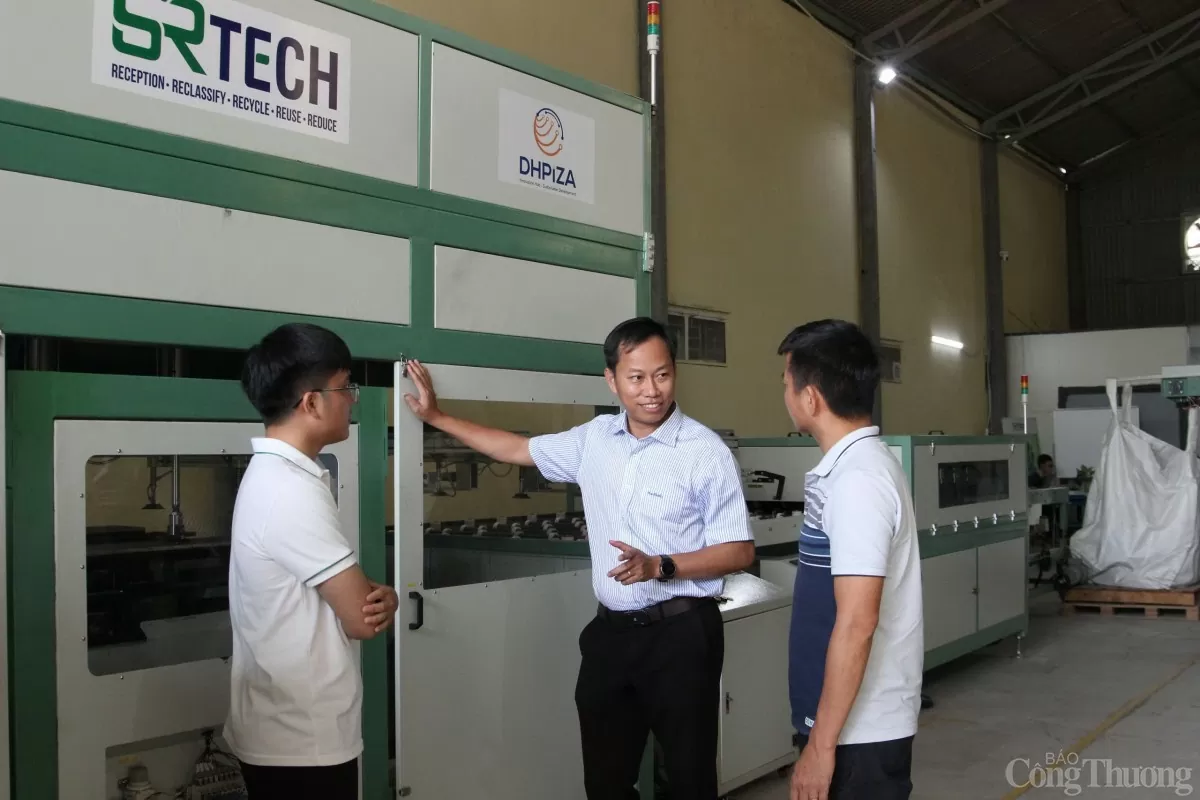 |
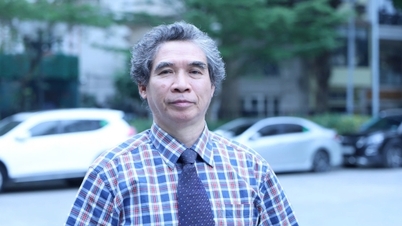
| Dr. Do The Can (middle) with the 5RTech technology line with 100% of the technology content researched by Vietnamese people |
The processing line includes 5 main stages: Battery classification, separation of raw components, glass separation, crushing, separation of metals and non-metals.
Explaining the process of recycling a discarded solar panel, Dr. Do The Can said that when the solar panel is put into the system, its usage level will be measured. If it can no longer be used (to store electricity), the panel will be sent to the part that separates the raw parts such as the aluminum frame; then it will go to the glass separation stage, the task of this stage is to separate the tempered glass on the panel as intact as possible; then, the remaining part of the panel will be sent to the grinding stage and finally will be separated into metals or non-metals.
“Almost all the components of the solar panel after being separated can be reused as input materials for other industries such as the aerospace industry, construction industry, agriculture industry... The reuse rate of discarded solar panels after recycling is up to 92%” , said Prof. Dr. Le Thanh Nhan, Director of DNIIT International Institute of Technology.
When researching and developing (R&D) technology to recycle discarded solar batteries, 5R-Tech targets two markets: domestic and international. The domestic market is a future need, but the amount of discarded batteries in the world is currently very large.
“There are two major problems with the disposal of discarded solar batteries: If using low-cost (landfilling) technology, it will cause environmental pollution; if using clean recycling technology, the cost is very high. 5R-Tech researched technology solves these problems. First, this is a clean technology, does not cause environmental pollution. Second, the cost of disposing of discarded batteries is lower than the revenue from reusing the components after disposal. The chain can also be considered a typical example of a circular economic model,” commented Prof. Dr. Le Thanh Nhan.
The greatest pride is mastering technology
Dr. Do The Can said that the solar battery recycling technology product has received high appreciation from the R&D community in the world's clean energy sector. Typically, this project won first prize in a startup competition organized by the US Department of State. The unit also received many offers for cooperation in research and technology transfer from many large domestic and foreign enterprises and corporations.
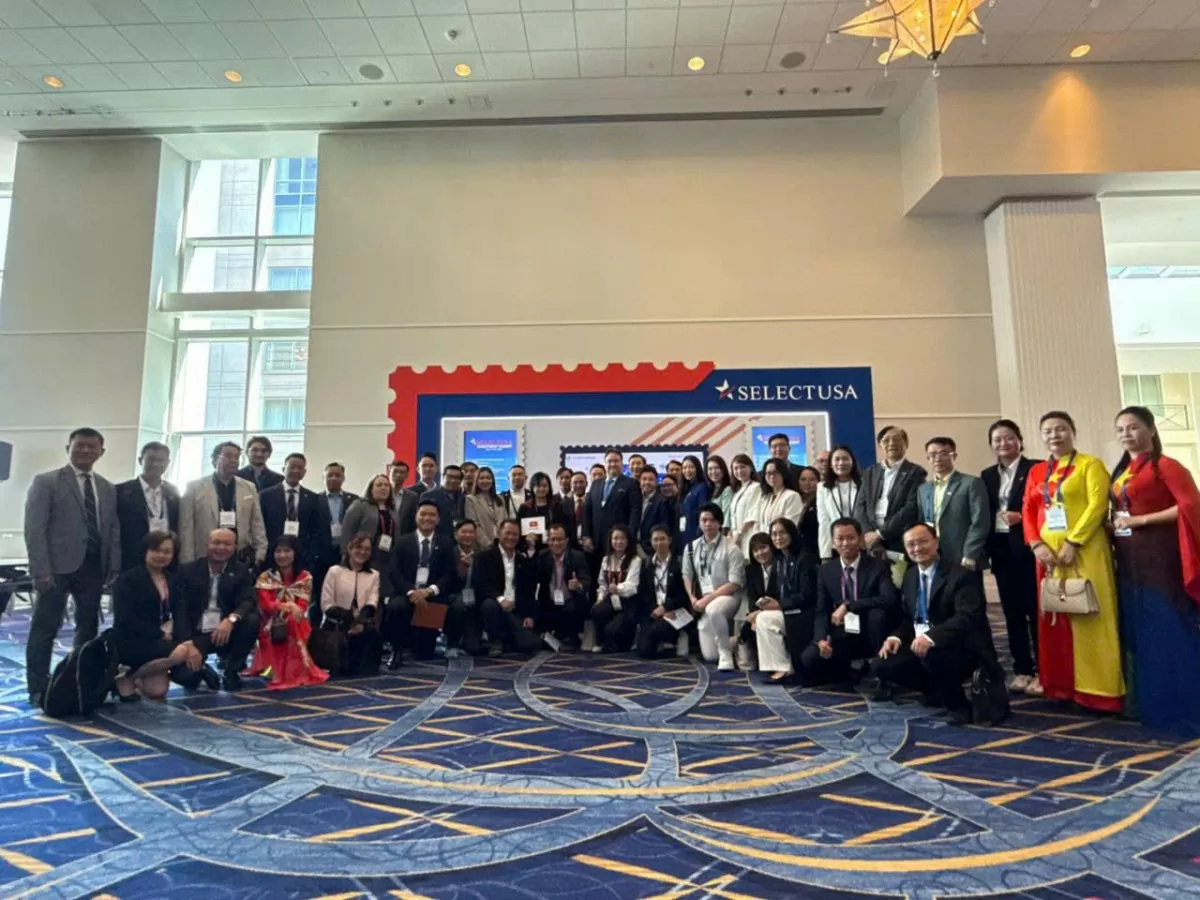 |
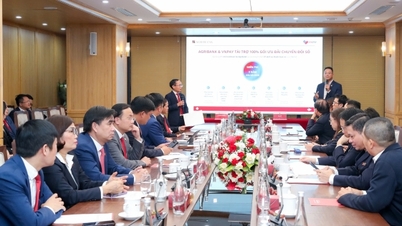
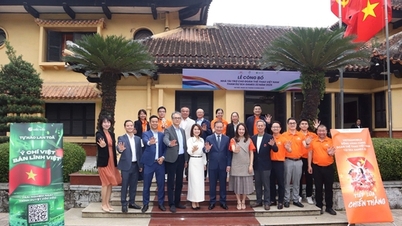
| Vietnamese business delegation attends the US Investment Summit 2025 taking place from May 11 to 14, 2025 in the United States (Photo: NVCC) |
However, according to Dr. Do The Can, his greatest pride is mastering the technology. “This is the first solar panel processing and recycling line in Vietnam and 100% of the technology is researched by Vietnamese people. We are proud to completely master the technology,” Dr. Do The Can shared and added: “The unique point of this line is that each stage in the line can operate independently. Depending on the needs and purposes of the business, the modules can be ordered separately. For example, the first stage is battery classification because many businesses need to use it to measure the efficiency of solar panels.”
Sharing about the support to complete the technological chain, Prof. Dr. Le Thanh Nhan said that the project received active support from Da Nang city in funding for research and innovation. “In 2024, the project was supported by the city with 250 million VND. This year, we continue to receive support from the city to successfully commercialize the product. This is an extremely meaningful companion for the project,” said Prof. Dr. Le Thanh Nhan.
Dr. Do The Can said that the unit is making efforts to meet the conditions for operating in the R&D zone of the Da Nang High-Tech Park. "Da Nang City is very favorable, but the project has not yet met the capital regulations. At the US Investment Summit 2025, in addition to learning more experiences to further improve the product, we met many investors to seek opportunities to call for investment cooperation to perfect the most optimal technological process" , Dr. Do The Can informed.
| From the need to process discarded solar panels, Dr. Do The Can and his research team at the University of Danang have developed clean recycling technology, which can reuse up to 92% of materials without polluting the environment. The 5RTech project not only opens up the prospect of effectively processing discarded solar panels in Vietnam in the future, but also becomes a source of pride when the technology is completely mastered by Vietnamese people. |
Source: https://congthuong.vn/gap-nguoi-keo-dai-vong-doi-tam-pin-nang-luong-mat-troi-388277.html










![[Photo] Parade to celebrate the 50th anniversary of Laos' National Day](/_next/image?url=https%3A%2F%2Fvphoto.vietnam.vn%2Fthumb%2F1200x675%2Fvietnam%2Fresource%2FIMAGE%2F2025%2F12%2F02%2F1764691918289_ndo_br_0-jpg.webp&w=3840&q=75)





















































Comment (0)