

Steel prices today decreased on international exchanges
At the end of the trading session on December 8, the price of rebar futures for January 2026 on the Shanghai Stock Exchange decreased by 0.9%, equivalent to 28 yuan, to 3,116 yuan/ton.
In the same trend, the price of iron ore futures for January 2026 on the Singapore Exchange decreased by 1.33 USD to 102.06 USD/ton, and on the Dalian Exchange decreased by 0.7% to 781.5 yuan/ton.
Steel rebar prices fell to a one-week low as weak demand continued to weigh on the market, forcing mills to scale back production.
Industry data showed only 35% of China’s steel mills were profitable at the end of November, down from 45% at the end of October. Many mills had to carry out furnace maintenance last month to cope with high input costs and sluggish demand.
China's steel exports rose 2 percent month-on-month to 9.98 million tonnes in November, up 7.5 percent year-on-year.
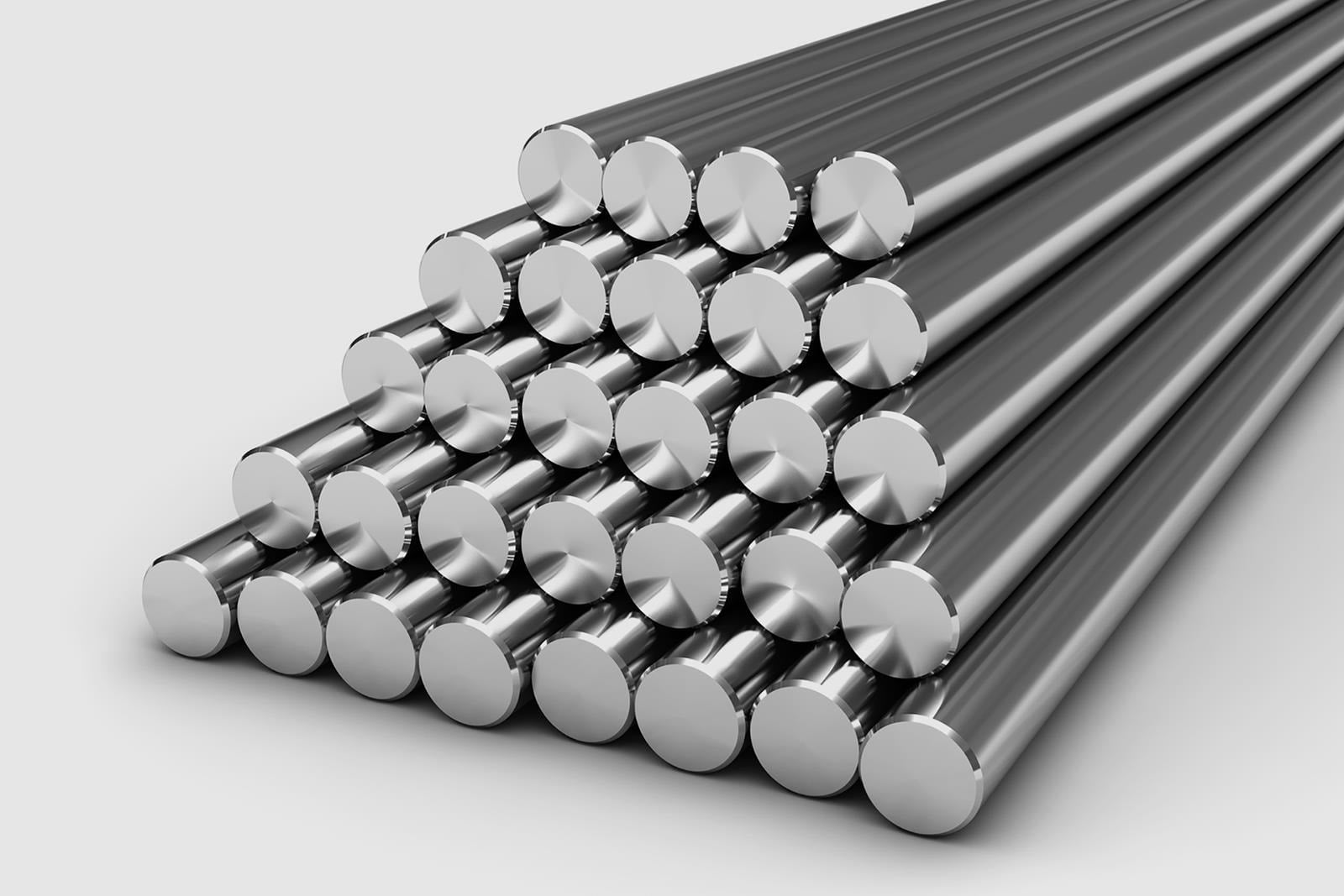
Total exports reached 107.72 million tonnes in the first 11 months of the year, a record for the period and up 6.7% from a year earlier. Beijing is considering new measures to curb the prolonged slump in the property market, which accounts for a large portion of construction steel demand, including cutting home purchase taxes and adding mortgage interest subsidies.
At the same time, the Indian steel industry is facing a sharp decline in exports to Europe. The European Union is preparing to apply the Cross-Border Carbon Adjustment Mechanism (CBAM) from January 1, 2026.
The new rules will tax steel imported into the EU based on the carbon emissions generated during its production. Many Indian companies have already started looking for alternative markets, mainly in Africa and the Middle East, according to manufacturers and analysts.
Europe is now a key market for Indian steel, accounting for around two-thirds of exports. However, the majority of India’s steel is produced using blast furnaces, which have much higher CO₂ emissions than electric arc furnaces.
According to former Indian Steel Secretary Aruna Sharma, businesses are well aware of the need to modernize production, but at the same time are forced to find new buyers.
Some other experts say that most businesses still do not clearly understand how taxes are calculated and whether the tax rate depends on each manufacturer.
Analysts predict that CBAM will increase the cost of Indian steel in the European market, especially for steel produced by blast furnaces, leading to reduced profit margins and the risk of losing market share.
Domestic construction steel prices are stable at large enterprises.
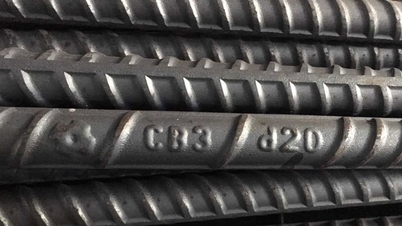
In the domestic market, large enterprises continue to keep construction steel prices stable. Specifically, Hoa Phat quoted CB240 and CB300 steel prices at VND13,500/kg and VND13,090/kg, respectively.
Similarly, Viet Duc offered CB240 steel at VND13,350/kg and CB300 steel at VND12,850/kg. Some other businesses also kept prices stable, including Pomina steel with CB240 at VND14,440/kg and CB300 at VND14,290/kg. VJS Steel listed CB240 and CB300 at VND13,230/kg and VND12,830/kg, respectively.
Source: https://baodanang.vn/steel-price-hom-nay-9-12-2025-giam-nhe-tren-thi-truong-the-gioi-3314268.html
![[Photo] Urgently help people soon have a place to live and stabilize their lives](/_next/image?url=https%3A%2F%2Fvphoto.vietnam.vn%2Fthumb%2F1200x675%2Fvietnam%2Fresource%2FIMAGE%2F2025%2F12%2F09%2F1765248230297_c-jpg.webp&w=3840&q=75)




































































![[Photo] General Secretary To Lam works with the Standing Committees of the 14th Party Congress Subcommittees](https://vphoto.vietnam.vn/thumb/402x226/vietnam/resource/IMAGE/2025/12/09/1765265023554_image.jpeg)
































Comment (0)