

 |
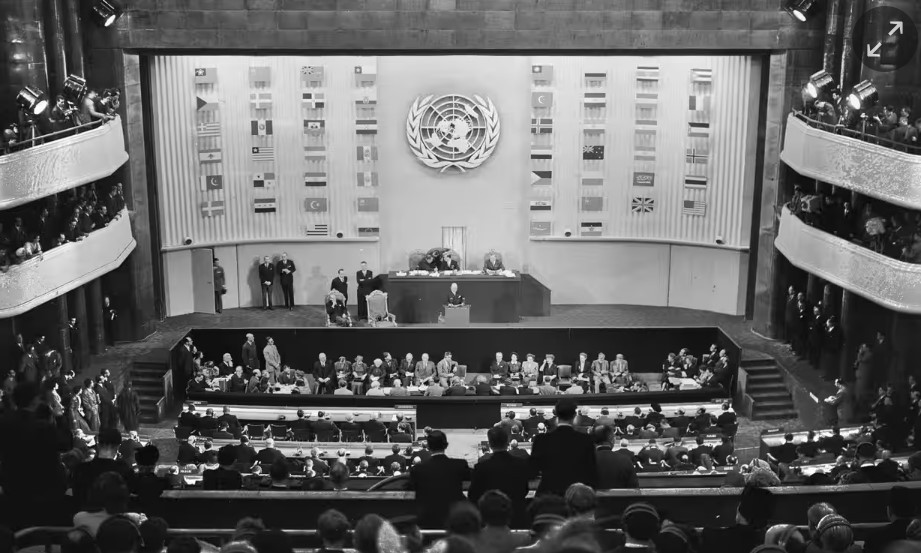
| The United Nations General Assembly adopted the Universal Declaration of Human Rights at the Palais de Chaillot in Paris, France, on December 10, 1948. (Source: AFP/Getty Images) |
In 2023, Vietnam, together with the international community, celebrated the 75th anniversary of the United Nations General Assembly's adoption of the 1948 Universal Declaration of Human Rights (the Declaration) and the 30th anniversary of the World Conference on Human Rights' adoption of the Vienna Declaration and Programme of Action, proposed by Vietnam and adopted by the UN Human Rights Council.
This is a momentous event, marking a new turning point in the international community's shared commitment to promoting and protecting human rights globally; affirming the enduring value, across centuries, of these two important international documents.
The contemporary value of the Declaration
When studying the intellectual history of human rights, linked to the history of the world's people's struggles from ancient times to the modern era, it is undeniable that the Declaration holds enduring and timeless value in the following aspects:
Firstly, from the concept of human rights to the reality of human rights, the Declaration transcends all cultural differences, becoming a universal global value.
The concept of human rights has a very long history, linked to the history of the struggle against tyranny, injustice, and inequality, and together striving towards the values of justice, freedom, equality, and human rights.
However, the standard of human rights was only established globally when historical events such as the First (1914-1918) and Second (1939-1945) World Wars of the 20th century occurred. As stated in the preamble of the UN Charter, "war has twice in our lifetime inflicted unspeakable suffering on humanity," and to prevent war—the greatest perpetrator of human rights abuses and trampling—the international community established the UN, an international organization responsible for maintaining peace , security, and protecting human rights.
And just one year after the UN was established, the Human Rights Committee was founded (in 1946), and three years later an international document on human rights was drafted and adopted by the UN General Assembly, which was the Universal Declaration of Human Rights in 1948.
Transcending all cultural differences, the Declaration affirms: All human beings are born free and equal in dignity and rights. All are endowed by their Creator with reason and conscience, and should be treated with brotherhood (Article 1).
Equality and non-discrimination have become the overarching principle and guiding light for all provisions of the Declaration and international human rights law, and are one of the principles/characteristics of human rights as commonly understood by the international community today .
Human rights, thus, have developed throughout history, from an idea to a reality, from appearing in the humanitarian traditions of each individual nation and people, to now becoming human rights, and the language of human rights, which previously existed only within a class with shared interests or a specific group, has now become human rights for all people.
It is a great achievement in the history of the struggle of progressive people all over the world, and the Declaration is a shining milestone – marking those great achievements.
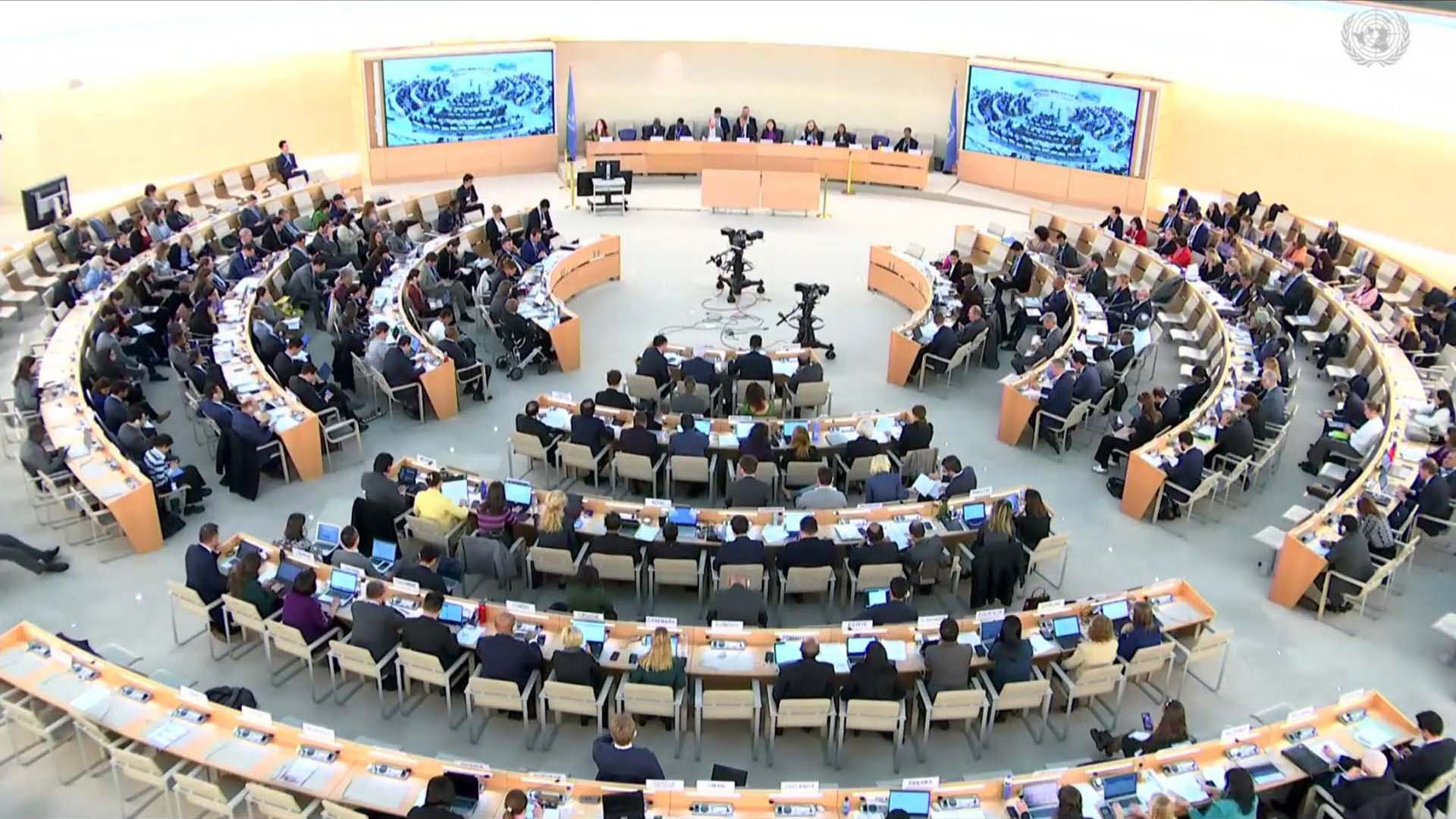 |
| The United Nations Human Rights Council adopted a resolution proposed and drafted by Vietnam commemorating the 75th anniversary of the Universal Declaration of Human Rights and the 30th anniversary of the Vienna Declaration and Programme of Action. (Source: UN) |
Secondly, the Declaration is an enduring document of political and legal commitments – laying the foundation for the establishment of global international standards on human rights.
Along with its preamble and 30 articles listing human rights and fundamental freedoms, the Declaration establishes the responsibility of states to commit to working with the UN to promote respect for and adherence to human rights and fundamental freedoms globally. The Declaration became the first specialized document in modern history that not only made moral and political commitments but also served as a legal document for states.
However, because it is a document with advisory value, the need for a more legally binding document and the requirement to concretize and develop the ideas and principles in the Declaration through specific international treaties in each field, with legally binding force on member states, has begun to become a common concern of the international community.
Based on the fundamental rights and freedoms listed in the Declaration, the UN Human Rights Committee developed and formulated two separate conventions: the International Covenant on Civil and Political Rights and the International Covenant on Economic, Social and Cultural Rights. Both conventions were adopted by the UN General Assembly on December 16, 1966.
Currently, the Universal Declaration of Human Rights of 1948, and the two international conventions on civil and political rights and on economic, social and cultural rights of 1966 are recognized by the international community as the international law on human rights.
Based on this Code, the UN has developed and adopted hundreds of international instruments protecting human rights in specific areas of social life, such as protection against discrimination; protection of women's rights; children's rights; human rights in the administration of justice; freedom of information; freedom of association; employment; marriage, family and youth; social welfare; progress and development; the right to cultural enjoyment, development and international cultural cooperation; issues of nationality, statelessness, residence and refugees; prohibition of torture, cruel, inhuman and degrading treatment; protection of the rights of migrant workers and their families; protection of the rights of persons with disabilities; protection of persons who have been forcibly abducted; rights of indigenous peoples and peoples...
Third, the Declaration serves as a common benchmark for assessing the level of human rights implementation in each country and globally.
In the preamble to the Declaration, the UN General Assembly affirms: “This Universal Declaration of Human Rights is the common measure by which all states and peoples, and by all individuals and civil organizations, assess their own fulfillment of the goals which, keeping in mind this Declaration, will strive to promote respect for fundamental human rights and freedoms through dissemination and education; and to promote the recognition and effective observance of these rights not only among their own citizens but also among the peoples of their territories, through positive measures, both at the national and international levels.”
International human rights standards encompass hundreds of documents, but the most important and frequently cited for assessing the level of implementation and enjoyment of human rights in a country or region is the Universal Declaration of Human Rights.
Fourth, the Declaration also serves as a reminder and admonition to future generations to take responsibility for cooperating together to prevent brutality, restrain and eliminate war, as it is the greatest perpetrator of human rights violations.
Within each country, the moral and humanistic values in the Declaration are also reflected in its admonition to people, especially those in power whom the law of each country grants only as representatives and servants, that they must always be aware that the power they exercise originates from the people themselves. As the preamble of the Declaration states, "It is essential that human rights be protected by the rule of law so that people are not forced to revolt as a last resort against tyranny and oppression."
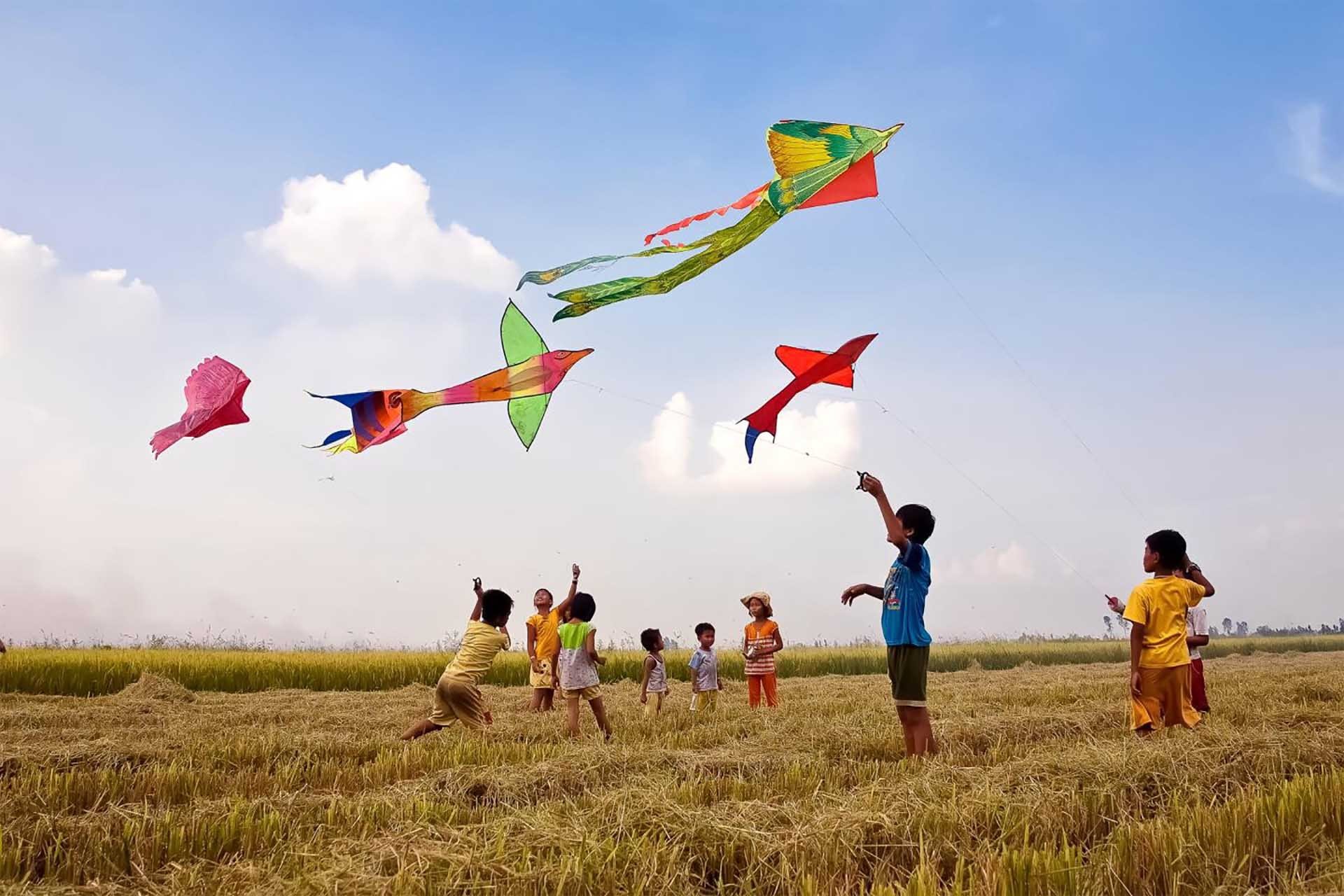 |
| Vietnam has always participated responsibly and made positive contributions to the protection of human rights, especially those of women and children. (Source: UNICEF) |
Improving the mechanisms for guaranteeing and protecting human rights and civil rights in Vietnam.
To date, after nearly 40 years of implementing the Doi Moi (Renovation) process, the Vietnamese State has built a legal system regulating social relations, with a focus on developing relatively comprehensive human rights laws that are consistent with the country's development and gradually compatible with international human rights regulations.
Based on international standards and stemming from the specific conditions of the country, the legal system is being built and perfected to create the most important legal basis for all activities of the State and state officials and employees in respecting, guaranteeing, and protecting human rights.
In light of the Party's resolutions and the State's policies and laws, significant achievements have been made in all areas of civil, political, economic, cultural, and social human rights, as well as the rights of vulnerable social groups. The protection of the rights of vulnerable groups has been strengthened and ensured in the implementation of policies and laws.
In the realm of economic, social, and cultural rights: Looking at the overall picture, the lives of the vast majority of Vietnamese people have improved significantly, with continuous improvements in key human-related indicators such as the Human Development Index (HDI) (Vietnam currently ranks 115th out of 191 countries), the Gender Inequality Index (GII), life expectancy per capita, and per capita income...
Vietnam is also one of the countries that achieved the UN Millennium Development Goals (MDGs) early. According to the UN's 2020 ranking of SDG implementation, Vietnam ranked 51st out of 193 UN member states, achieving a higher ranking than many countries in the region.
Ensuring the rights of vulnerable social groups, such as women, children, the poor, the elderly, people with disabilities, ethnic minorities, and people with HIV/AIDS, has always occupied a crucial position in the implementation of the Party's viewpoints and policies, and the State's laws and regulations.
In this new stage of development, implementing the Party's guidelines and viewpoints as defined at the 11th Party Congress, which state that "People are the center of the development strategy and the subject of development"1 and the 13th Party Congress which defined that "The people are the center and the subject of the renovation, construction and protection of the Fatherland; all guidelines and policies must truly originate from the lives, aspirations, rights and legitimate interests of the people, taking the happiness and well-being of the people as the goal to strive for"2. The Party considers respecting, guaranteeing, and protecting human rights as crucial to building a socialist-oriented market economy; building a socialist rule of law state and a socialist democracy.
With the role, mission, and responsibility of a rule-of-law state being to respect, guarantee, and protect human rights, the 13th Central Committee of the Communist Party of Vietnam, at its 6th Conference, adopted Resolution No. 27-NQ/TW dated November 9, 2022, on continuing to build and perfect the socialist rule-of-law state in the new period. This resolution identified the overall goal as upholding the Constitution and laws, respecting, guaranteeing, and effectively protecting human rights and citizens' rights, and the specific goal by 2030 of fundamentally perfecting mechanisms to ensure the people's right to self-governance, and to guarantee and protect human rights and citizens' rights.
These are important orientations, perspectives, and visions for recognizing, respecting, guaranteeing, and protecting human rights in the process of building and perfecting a truly socialist rule of law state of the people, by the people, and for the people in the new era.
1. Communist Party of Vietnam: Documents of the 11th National Congress, National Political Publishing House. Hanoi, 2016, page 76.
2. Communist Party of Vietnam: Documents of the 13th National Congress, National Political Publishing House, Hanoi 2021, p. 28.
3 Ho Chi Minh National Political Academy (2023), Party and government documents on human rights, Selection and quotations – reference book, Political Theory Publishing House, page 144.
Source














































































Comment (0)