

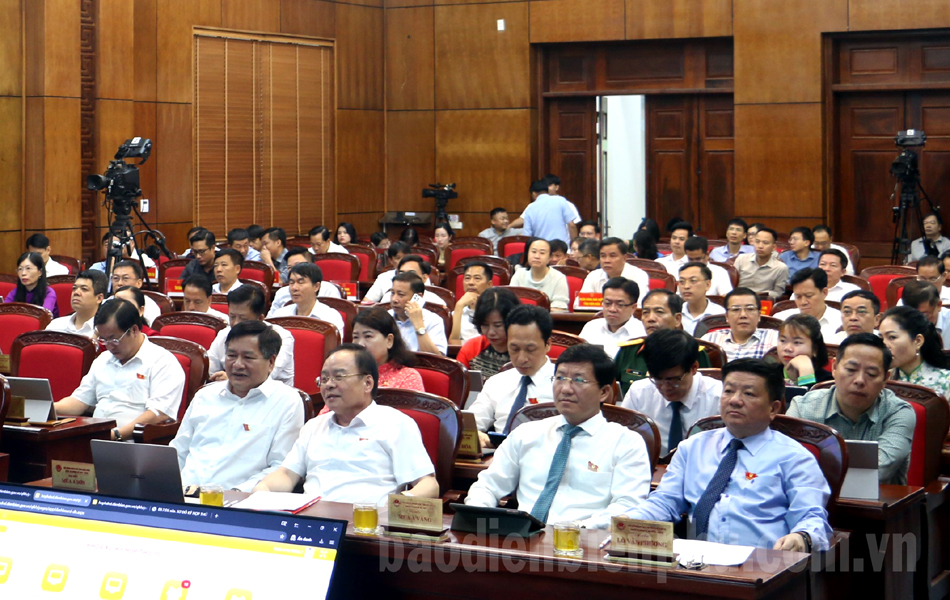
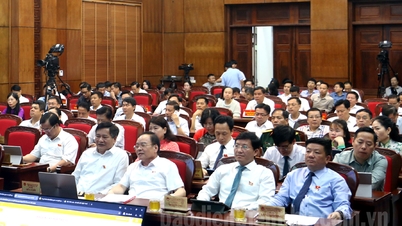
During a discussion on the situation regarding "Implementation of land and forest allocation, issuance of land use right certificates for forestry land; payment for forest environmental services in the period 2019-2023 in Dien Bien province," delegate Mua A Vang from Dien Bien Dong district stated that the slow progress in land and forest allocation was due to overlapping land types ( agricultural land, forest land, etc.); furthermore, compensation for land clearance was not provided for forest land, while reclaimed land and other land were compensated at higher prices than forestry land.
Proposing solutions to this problem, delegate Nguyen Quang Hung from Dien Bien Phu city suggested that it is necessary to continue to strengthen propaganda work, with the involvement of the village level, especially the village secretaries and heads; and to demarcate the disputed areas for later implementation.
Some other delegates argued that the difficulties and obstacles partly stem from the farming practices of ethnic minorities, where barren land is abandoned elsewhere, left fallow for 3-5 years, or even 10 years; when others come to cultivate it, disputes arise between households. In addition, the management by local Party committees and authorities has not been strict enough, failing to detect and handle issues promptly, with some households encroaching on forest land for farming; the origin of the land has not been clearly determined. Changes in policies and laws over various periods also contribute to the problem.
Regarding the tourism sector, delegate Bui Anh Tien, from the Dien Bien Phu City delegation, stated that: Resort and eco-tourism in the province still have many limitations; the number of tourists in the first six months of the year was high, but the number of overnight stays was low. He proposed that the Provincial People's Committee issue policies to develop unique tourism products to attract tourists; policies to attract tourism investors; and pay attention to investing in accommodation facilities and food services…
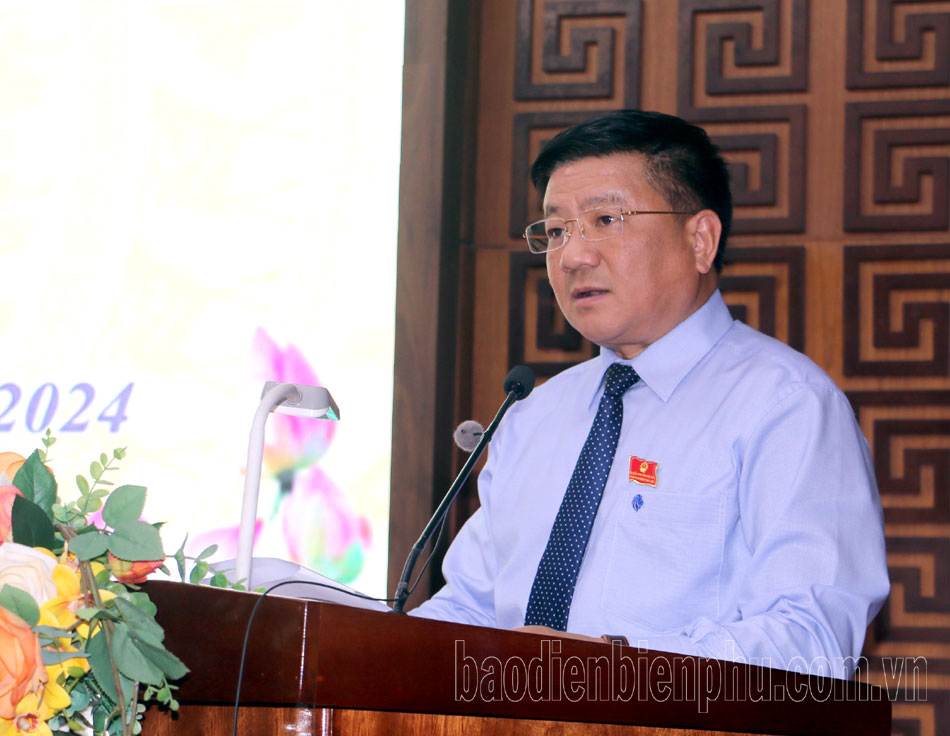
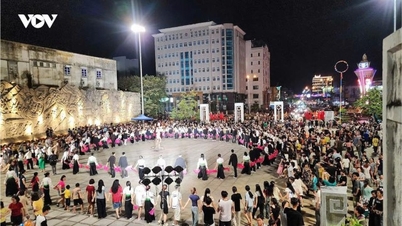
Sharing the same opinion on this matter, delegate Tan Thi Pen, from the Tuan Chua district delegation, suggested that it is necessary to promote and attract investment to develop the infrastructure of the Dien Bien Phu - Pa Khoang Tourist Area to live up to its status as a National Tourist Area. Attention should be paid to community tourism, as this is the best solution to preserve and promote ethnic cultural identity and natural landscapes.
Regarding the low disbursement rate of public investment capital and the slow progress of projects, some delegates suggested that the Provincial People's Committee needs to take more decisive measures in land clearance work and create a transparent investment and business environment to attract investors.
During the questioning session, delegate Giàng Thị Duyên, representing Mường Nhé district, questioned the leaders of the Department of Transport about the delay in the construction of the Nậm Nhé II bridge (almost a year after the bridge's damage), asking who is responsible, what the expected completion date is, and when the new bridge will be put into use and open to traffic? She also inquired about the plan for repairing and restoring the temporary Nậm Nhé II bridge.
A representative from the Department of Transport responded: The time frame for the project, from the date of approval for investment preparation to the commencement of construction, is approximately 6.5 months (from December 5, 2023 to May 28, 2024). This is in accordance with regulations regarding the timeframes for the project's two-step design process and the need for bidding procedures to select a contractor. The expected completion time and commissioning of the new bridge, according to the signed construction contract, is 135 days (from the date of commencement). Immediately after the commencement of the project, despite not yet having allocated funds (only 450 million VND out of 37.8 billion VND had been allocated), the Department requested the contractor and supervisory consultant to calculate the critical path of the project as a basis for mobilizing machinery, equipment, and personnel to work three shifts continuously, striving to complete the flood-resistant section by early July. To date, all 16/16 bored piles and 2 T2 and T3 piers in the middle of the river have been completed and are currently pouring the cap beams; 10/30 girders have been completed. The first span is expected to be launched by July 25th, aiming for technical traffic opening of the project before September 2nd, 2024.
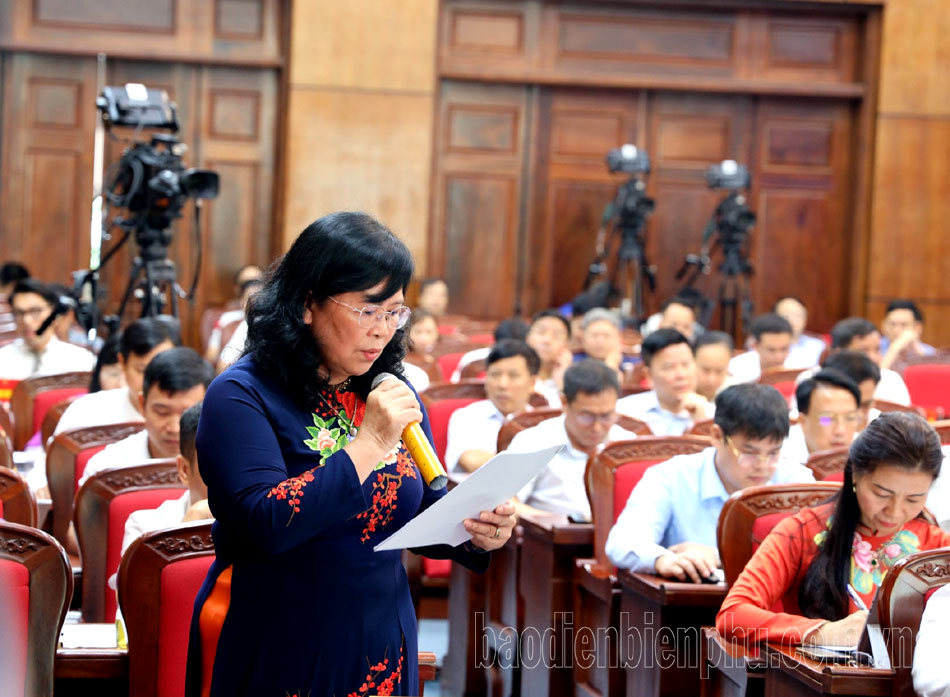
Representative Giàng Thị Hoa, from the Mường Ảng district delegation, questioned the Provincial People's Committee: Currently, the use of herbicides by people is relatively common, posing a risk of water, soil, and crop pollution, significantly affecting the ecosystem and human health. Has the Provincial People's Committee issued any specific directives to strictly control the buying, selling, and use of herbicides? What effective solutions are needed in the future?
Responding to this issue, Mr. Lo Van Tien, Vice Chairman of the Provincial People's Committee, stated: To date, there are 422 establishments trading in plant protection products (pesticides) in the province. The Provincial People's Committee has directed the specialized management agency (Department of Agriculture and Rural Development) to issue directives and guidelines on the management and use of plant protection products; and to organize propaganda and guidance on the trading and use of plant protection products through various means. Production models are being developed to ensure safety and ecological practices, minimizing the use of chemical inputs. From 2023 to the present, the Department of Agriculture and Rural Development has conducted 8 inspections of 190 establishments trading in plant protection products (including herbicides) to ensure compliance with legal regulations. The inspection results showed that the herbicide products at these establishments were within their expiration dates and were on the list of products permitted for use in Vietnam. In the coming period, to effectively manage the use of herbicides and minimize their impact on human health and the ecological environment, the Provincial People's Committee will continue to direct the Department of Agriculture and Rural Development, relevant agencies, and the People's Committees of districts, towns, and cities to strengthen inspections of herbicide trading establishments and users, and strictly handle violations; and continue to direct the People's Committees of districts, towns, and cities to seriously implement the collection and disposal of pesticide packaging waste.
In addition, provincial People's Council representatives also raised questions related to education and training; resources and environment; and employment... Leaders of the relevant departments and agencies provided satisfactory answers.
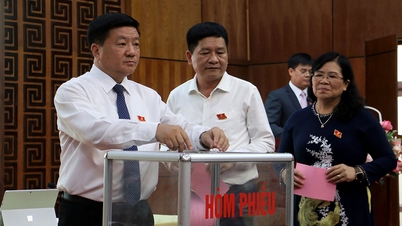
After 1.5 days of work conducted in a democratic, objective, and highly responsible manner, the provincial People's Council delegates unanimously approved 14 important resolutions. At the same time, the provincial People's Council sent delegates 11 topics and 3 verification reports for their review and participation.
In his closing remarks at the session, emphasizing the need for the resolutions to be put into practice promptly and for the successful achievement of socio-economic development goals and national defense and security objectives in 2024, Chairman of the Provincial People's Council Lo Van Phuong requested the Provincial People's Committee, relevant departments, and all levels to urgently develop specific plans to effectively implement the resolutions' contents. He also urged provincial People's Council representatives to fulfill their roles and responsibilities in monitoring and understanding the situation and aspirations of voters and the people during the implementation process.
Source: https://baodienbienphu.com.vn/tin-tuc/chinh-tri/216551/hdnd-tinh-thong-qua-14-nghi-quyet-tai-ky-hop-thu-15


![[Photo] Prime Minister Pham Minh Chinh holds a phone call with the CEO of Russia's Rosatom Corporation.](/_next/image?url=https%3A%2F%2Fvphoto.vietnam.vn%2Fthumb%2F1200x675%2Fvietnam%2Fresource%2FIMAGE%2F2025%2F12%2F11%2F1765464552365_dsc-5295-jpg.webp&w=3840&q=75)


































































Comment (0)