


The National Assembly officially passed the Law amending and supplementing a number of articles of the Law on Receiving Citizens' Petitions, the Law on Complaints, and the Law on Denunciations.
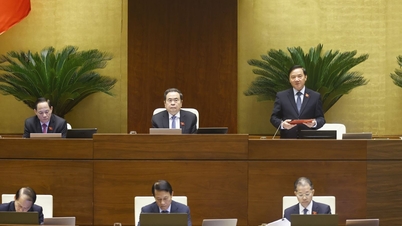
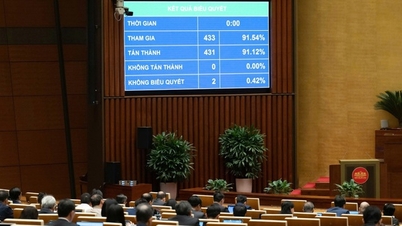
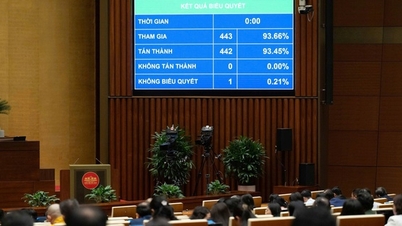
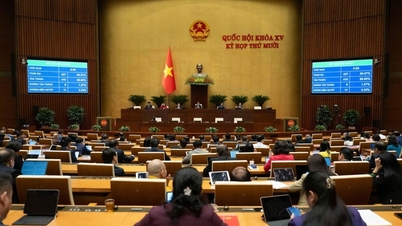
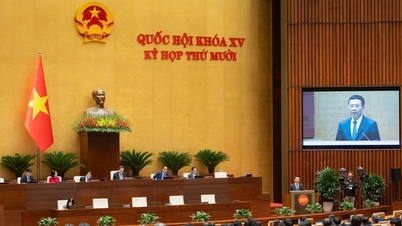
On the afternoon of December 10th, the National Assembly voted to approve the Law amending and supplementing a number of articles of the Law on Citizen Reception, the Law on Complaints and the Law on Denunciations, with 439 out of 444 delegates voting in favor, achieving a rate of 92.81%.
We will fully consider all feedback to improve the mechanism for receiving citizens' complaints and handling petitions.
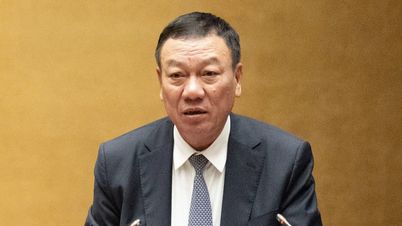
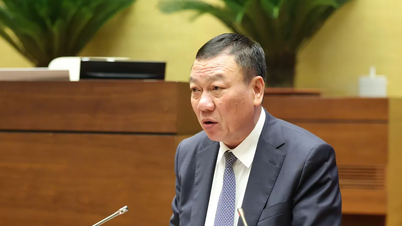
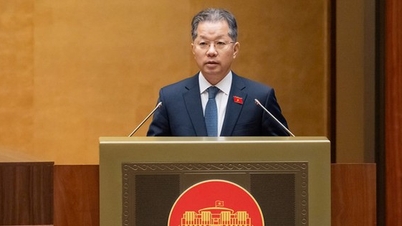
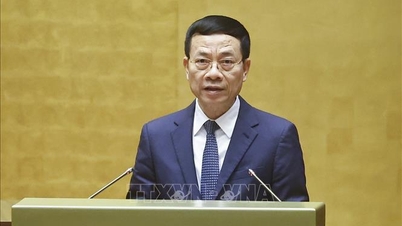
Before the National Assembly proceeded with the vote, the Inspector General of the Government , Doan Hong Phong, reported on the revisions and explanations of the draft law. Regarding the amendments to the Law on Receiving Citizens' Complaints, the Government accepted proposals on online citizen reception, the process for handling complaints and notifying initial results, as well as supplementing and clarifying the responsibilities of the Standing Committees of People's Councils at all levels in the work of receiving citizens' complaints. Detailed contents will be stipulated in a decree to ensure feasibility and consistency in implementation.
Regarding the Law on Complaints, the draft law adds provisions on withdrawing complaints and the principle of not reconsidering withdrawn complaints, except in cases where the complainant is threatened or coerced. The law also clarifies the basis for "temporarily suspending" the handling of complaints when it is necessary to wait for results from related issues, and adds the Cryptographic Inspectorate as an advisory unit in the complaint resolution process.
Strengthening protection for whistleblowers.
In the revised Law on Whistleblowing, the Government added a provision on terminating protection when the protected person intentionally fails to fulfill their legal obligations; and incorporated provisions on protecting the identity of whistleblowers in the guiding decree to ensure the safety of citizens when providing whistleblowing information. Several issues related to databases, digital transformation, budget, and technical infrastructure will also be detailed in sub-laws.
In his explanation before the National Assembly, the Inspector General of the Government, Doan Hong Phong, stated that the amendments to the law were designed to avoid creating new organizations at the commune level. Specifically, the establishment of a Citizen Reception Board at the commune level was avoided to prevent an increase in staffing and bureaucracy; and the delegation of citizen reception authority to deputies was also avoided to ensure that the head of the agency directly fulfills their responsibilities. The government also did not add regulations on handling the recording, filming, and dissemination of false information because this content has already been addressed in other laws.
In the Law on Complaints, the scope of regulation and the authority of the Chairman of the People's Committee of the commune to resolve complaints against commune-level officials remain unchanged; the prohibited act of "resolving complaints beyond the deadline" is not added because current law already stipulates the act of irresponsibility. The draft also does not add the content of "complaints during the resolution process".
Regarding the Law on Whistleblowing, the Government unanimously agreed not to add a statute of limitations for whistleblowing, not to add a form of whistleblowing via social media, and not to increase the initial processing time in order to ensure the timeliness of the work of preventing and combating violations and acts of corruption.
Phuong Lien
Source: https://baochinhphu.vn/hoan-thien-co-che-bao-ve-quyen-cua-nguoi-dan-trong-boi-canh-chuyen-doi-so-102251210183802142.htm



















































































Comment (0)