

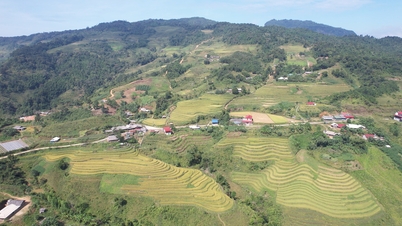
Mr. Ban Van Linh (Dong Khuan hamlet, La Bang commune) recently completed a vocational course in ecotourism . His family is currently developing an ecotourism and community-based tourism model, including a restaurant, stilt houses with many rooms, and a landscaped area with many unique photo opportunities to attract tourists. Mr. Linh participated in the ecotourism vocational course to further improve his skills, from explaining and guiding guests to service operations, room management, and developing new experiential products.
He said that previously, his family mainly relied on experience, "doing whatever the customers praised," but after the course, he has a clear understanding of the tour organization process, how to ensure the safety of tourists, and how to promote the model more professionally.
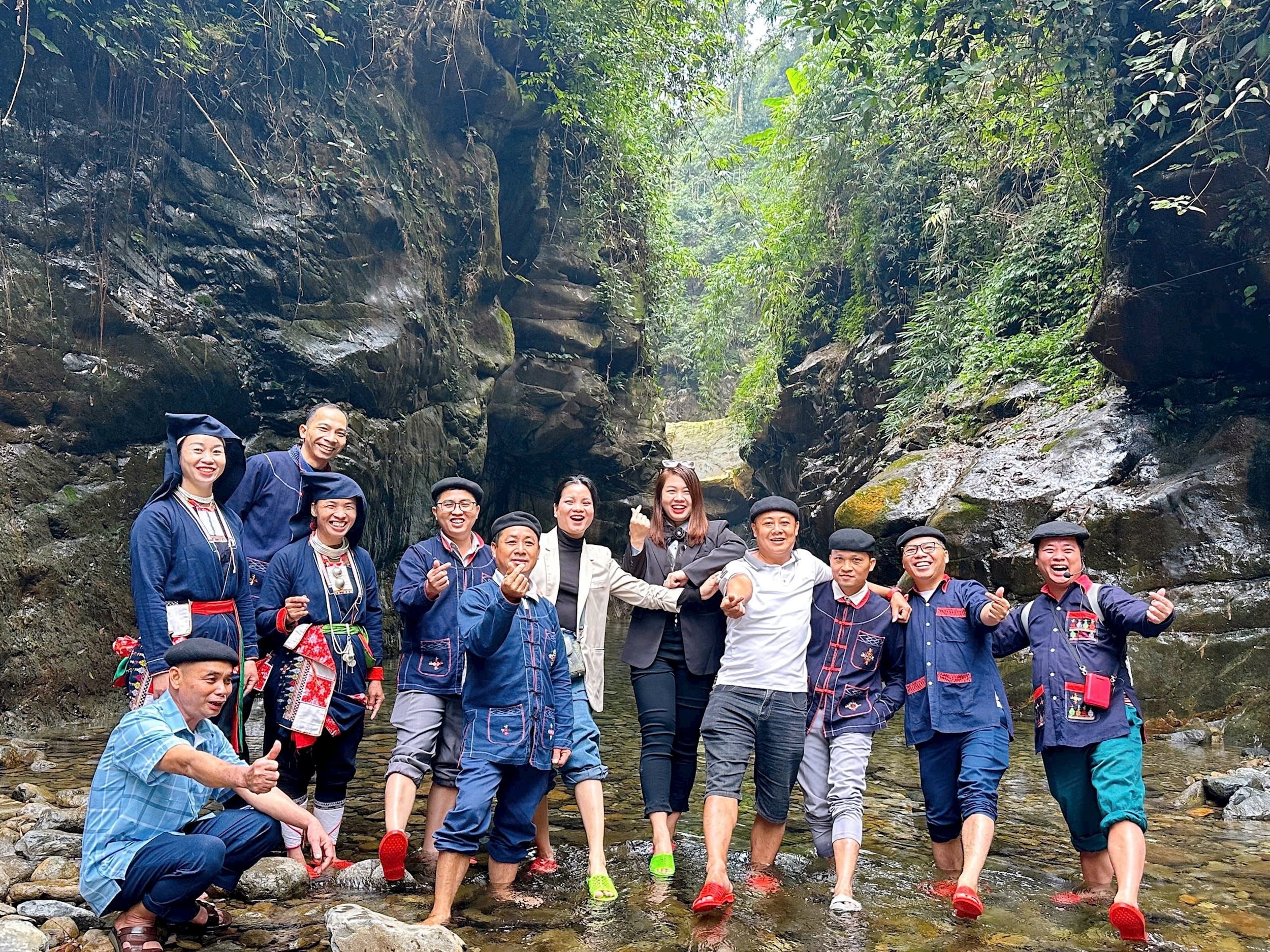
According to Linh, the most valuable aspect of the course was the opportunity to directly practice at his family's business model and receive detailed feedback from the instructors on each step. Thanks to this, he confidently adjusted the reception area, rearranged the check-in area, and added experiential services linked to the local identity. He hopes that improving his skills will not only make his family's tourism model more efficient but also contribute to attracting more tourists to La Bằng, creating jobs for many workers in the village.
According to Mr. Le Danh Tan (lecturer at the Dai Tu Vocational Education and Continuing Education Center), in 2025 he participated in teaching two ecotourism vocational classes in La Bang and Quan Chu communes. The majority of the people in these two communes are Dao ethnic minorities, with many households already engaged in tourism or planning to open tourism services. Therefore, the Center chose to train ecotourism professionals in these communes to align with the local economic development and the aspirations of the local people.
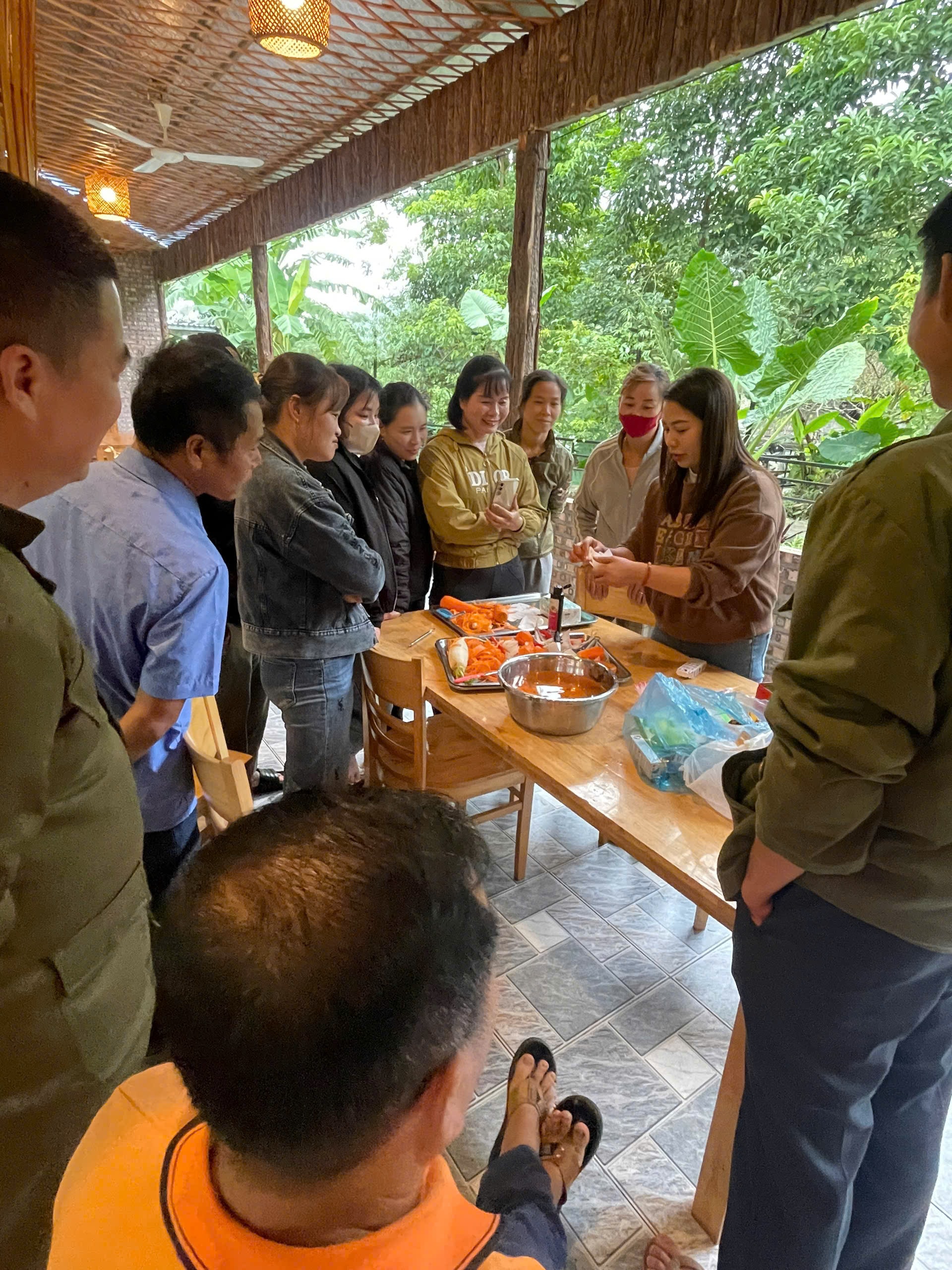
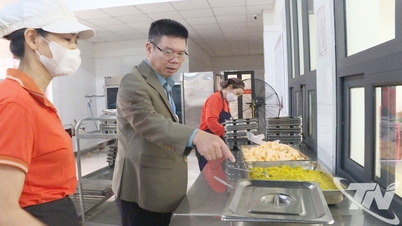
Mr. Tan shared: “When participating in the ecotourism vocational training course, students will be guided in reception and service skills, from how to fold blankets and pillows, clean rooms to how to greet, guide, and invite guests. In addition, students will also be taught food preparation techniques; how to cut, trim, and decorate food beautifully and attractively. Especially, the course also teaches students how to shoot videos, take photos, and edit images and videos to promote their brand on social media platforms to attract more tourists to the tourist area.”
Besides ecotourism, many people from ethnic minority communities have become professional garment workers with decent incomes after participating in garment making training courses organized by the Dai Tu Vocational Education and Continuing Education Center in coordination with Dai Tu commune.
Ms. Pham Thi Lan (La Hong hamlet, Dai Tu commune) previously lacked a stable job, and her family's income depended on tea farming, leading to many difficulties. After learning about the sewing vocational training course, Ms. Lan registered and has now become skilled and a worker at TDT Garment Company in Dai Tu commune.
Ms. Lan shared: “I and many other people participated in the sewing vocational training class and now we have stable jobs, higher incomes, and a better life. I hope the local government will continue to pay attention and open more suitable vocational training classes so that people have the opportunity to receive proper education, earn more income, and stabilize their lives.
The stories of Ms. Pham Thi Lan, Mr. Ban Van Linh, and many other trainees partly reflect the practical effectiveness of Project 5 on developing vocational education and improving the quality of human resources in ethnic minority and mountainous areas. Through vocational training courses, people not only have the opportunity to learn and master a profession, but also acquire the necessary skills to improve their lives, participate in promising industries, and contribute to the development of tourism and local production.
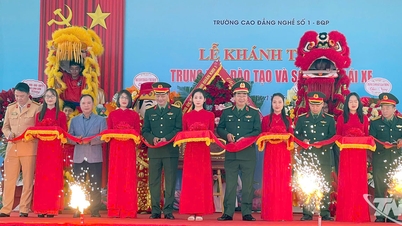
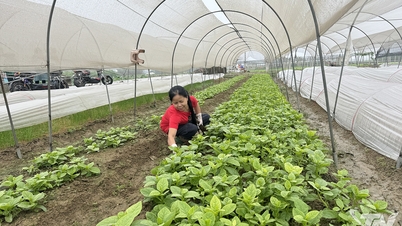
The report on the implementation results of Project 5 of the Dai Tu Vocational Education and Continuing Education Center for the period 2021-2025 shows that the program has developed and implemented a plan to support vocational training for ethnic minority workers and poor and near-poor households. In 2025, the Center organized 9 classes with a total of 275 trainees, bringing the total number of trainees in the 2021-2025 period to 574. The training courses are diverse and suitable to practical needs, including: industrial sewing, agricultural machinery repair, ecotourism, and the use of veterinary medicine in livestock farming…
According to Nguyen Ngoc Liem, Deputy Director of the Dai Tu Vocational Education and Continuing Education Center: “Many outstanding students have found stable jobs and developed their careers effectively, such as: Ms. Dao Thi Thu and Ms. Nguyen Thi Thuy in industrial sewing; Mr. Do Van Binh and Ms. Luong Thi Nguyet in tea processing; and Ms. Duong Thi Kim Canh and Mr. Duong Kim Hung in ecotourism. In addition, the teachers in charge of the classes, such as Mr. Pham Manh Hung, Mr. Le Danh Tan, Ms. Luu Van Van, Ms. Trinh Thi Tuyet, Ms. Dao Thi Thuy, and Ms. Nguyen Thi Oanh, have also made significant contributions to improving the quality of training, ensuring that students acquire knowledge and skills systematically, linked to the needs of local socio-economic development.”
Overall, Project 5 has proven effective in developing human resources in ethnic minority and mountainous areas, opening up opportunities to improve living standards and increase income, while promoting the development of traditional crafts and community tourism, contributing to the sustainable development of the locality.
Source: https://daibieunhandan.vn/mo-ra-co-hoi-lam-du-lich-chuyen-nghiep-10400121.html
![[Photo] Prime Minister Pham Minh Chinh holds a phone call with the CEO of Russia's Rosatom Corporation.](/_next/image?url=https%3A%2F%2Fvphoto.vietnam.vn%2Fthumb%2F1200x675%2Fvietnam%2Fresource%2FIMAGE%2F2025%2F12%2F11%2F1765464552365_dsc-5295-jpg.webp&w=3840&q=75)
![[Photo] Closing Ceremony of the 10th Session of the 15th National Assembly](/_next/image?url=https%3A%2F%2Fvphoto.vietnam.vn%2Fthumb%2F1200x675%2Fvietnam%2Fresource%2FIMAGE%2F2025%2F12%2F11%2F1765448959967_image-1437-jpg.webp&w=3840&q=75)


































![[OFFICIAL] MISA GROUP ANNOUNCES ITS PIONEERING BRAND POSITIONING IN BUILDING AGENTIC AI FOR BUSINESSES, HOUSEHOLDS, AND THE GOVERNMENT](https://vphoto.vietnam.vn/thumb/402x226/vietnam/resource/IMAGE/2025/12/11/1765444754256_agentic-ai_postfb-scaled.png)




































Comment (0)