

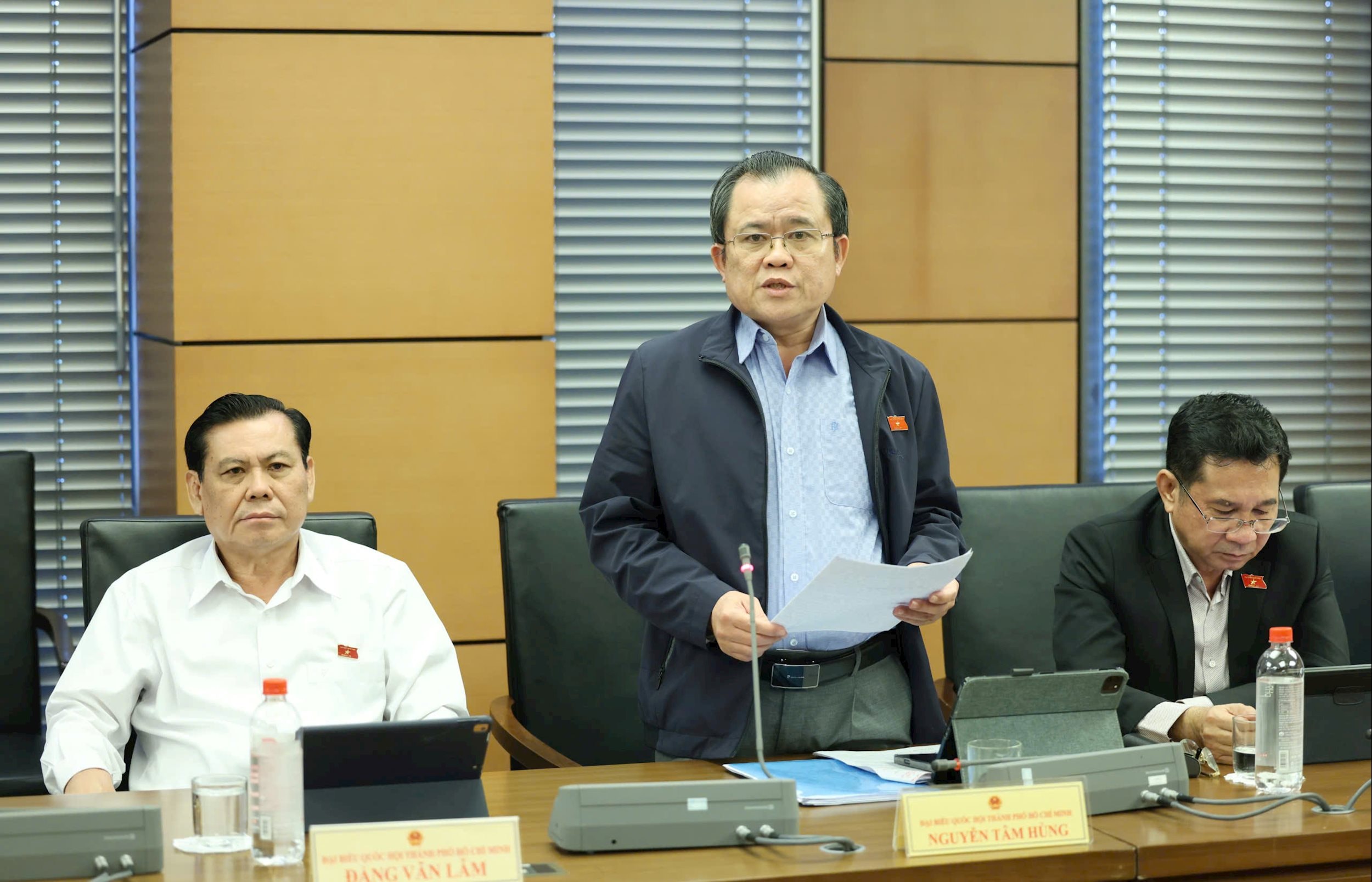
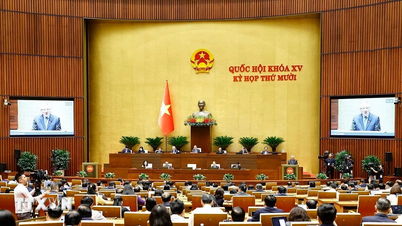
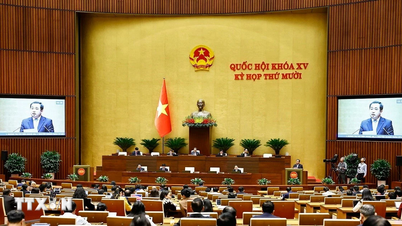
According to delegate Nguyen Tam Hung, this draft Resolution has made great progress, demonstrating the high determination of the National Assembly and the Government in creating an outstanding institution for Ho Chi Minh City. The delegate emphasized that the amendment of Resolution 98 this time is not a purely technical adjustment but an important step in restructuring the institution of Ho Chi Minh City in a completely new development space, with a larger role, scale and responsibility after the merger. In order for the Resolution to be truly effective when issued, remove existing bottlenecks and create strong changes in practice, the delegate contributed the following opinions:
Regarding the development mechanism according to the TOD model, delegate Nguyen Tam Hung suggested that the Drafting Committee consider adding mandatory criteria for social impact assessment, including impacts on social infrastructure, living space and access to public services for existing residents in each TOD area. Adding this criterion is necessary because in reality, many TOD projects in the City often encounter long-term problems due to lack of full assessment, causing complaints, slowing down progress and affecting people's trust.
Regarding the revenue sharing ratio from TOD land fund, delegates recommended considering clearly defining the principles for TOD land valuation and the independent appraisal mechanism for land prices, starting auction prices or rental prices. The reason is that TOD land fund has prime locations and great commercial value; if there is no independent, transparent and public control mechanism, it is easy to cause loss of public assets and cause public outrage.
Regarding payment for BT projects using land funds, delegates suggested considering adding a requirement to publicize all information on payment land funds, land fund values, price determination methods and audited construction volumes before implementing land allocation or land lease.
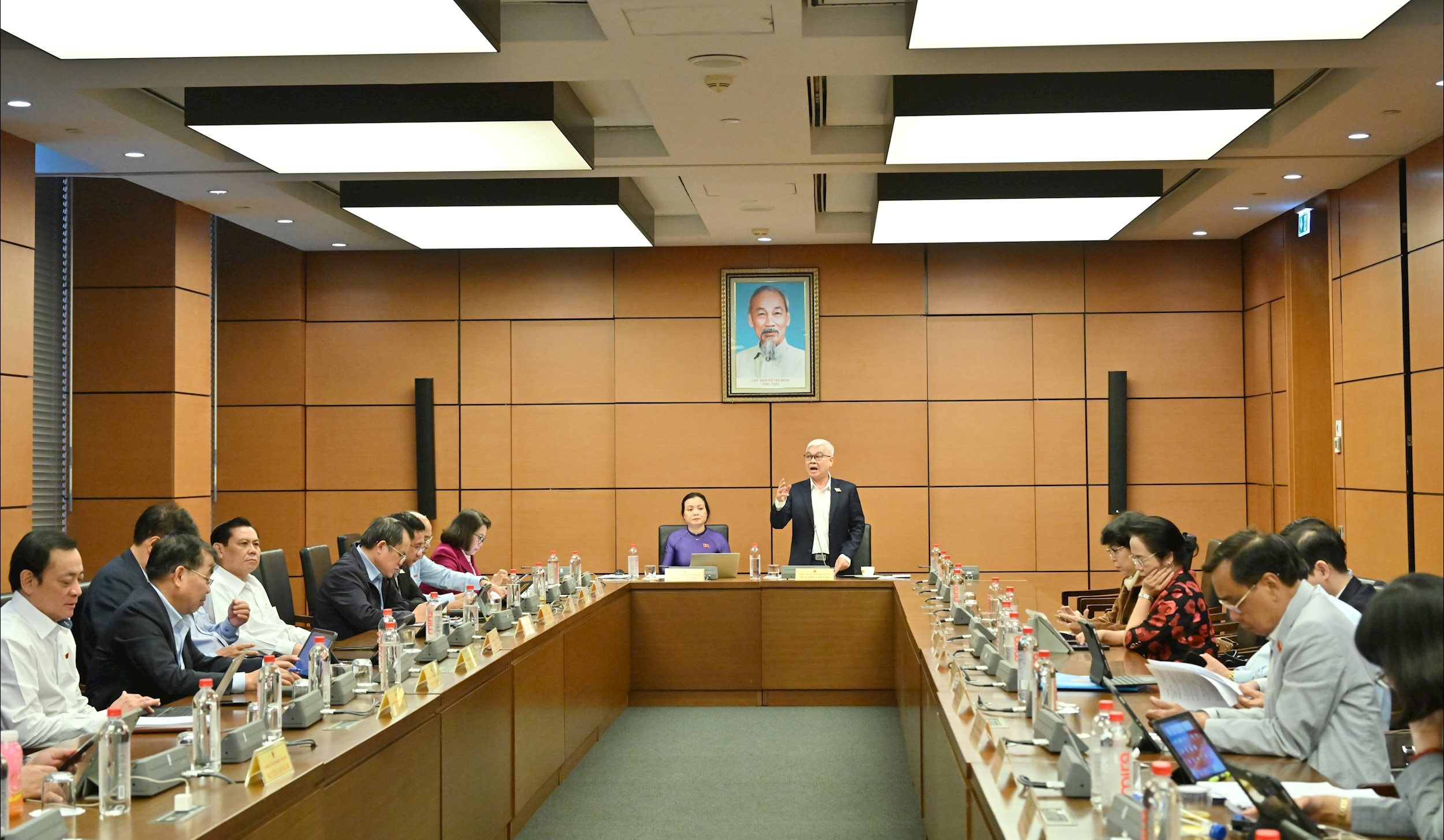
Regarding the authority to reclaim land for socio-economic development, delegates proposed to add a requirement to include a report assessing urban development needs, resettlement needs and the ability to arrange resettlement land. The reason is that projects in this category are often large-scale, directly related to the interests of the people; if not carefully prepared from the beginning, it is easy to cause mass complaints, affecting social security.
In addition, to select the right strategic investors with real capacity, delegates also proposed to consider raising the minimum equity ratio from 20% to 25% for projects under VND30,000 billion and from 15% to 20% for projects of VND30,000 billion or more. Raising this ratio will help screen out investors with weak capacity, limit the risk of suspended projects, slow-progress projects and reduce dependence on credit loans - which is the biggest risk for large-scale projects.
To promote the effectiveness of the Ho Chi Minh City Free Trade Zone model, delegates proposed to supplement the mechanism of controlling cash flow and foreign exchange management within the Free Trade Zone to prevent the risk of transfer pricing or money laundering. At the same time, the Government was assigned to soon issue a set of indicators to evaluate the operational efficiency of the Free Trade Zone, including production value added, localization rate, new jobs, budget revenue, goods flow and customs efficiency.
Delegates hope that the National Assembly, the Government, ministries and branches will continue to review and perfect groups of mechanisms in a stronger, broader and more flexible direction so that Ho Chi Minh City has enough tools, authority and resources to perform its role as the country's economic - financial - logistics - innovation locomotive.
Source: https://daibieunhandan.vn/hoan-thien-khuon-kho-the-che-vuot-troi-cho-thanh-pho-ho-chi-minh-10398086.html

![[Photo] Cat Ba - Green island paradise](/_next/image?url=https%3A%2F%2Fvphoto.vietnam.vn%2Fthumb%2F1200x675%2Fvietnam%2Fresource%2FIMAGE%2F2025%2F12%2F04%2F1764821844074_ndo_br_1-dcbthienduongxanh638-jpg.webp&w=3840&q=75)










![[Video] Merging 3 National Target Programs must resolve "major bottlenecks"](https://vphoto.vietnam.vn/thumb/402x226/vietnam/resource/IMAGE/2025/12/05/1764921755978_img-2283-4357-png.webp)


































































Comment (0)