

Since that moment, over the past 26 years, Hoi An and My Son have undergone a journey of preserving, restoring and promoting heritage values with comprehensive efforts from the government, community and international partners.
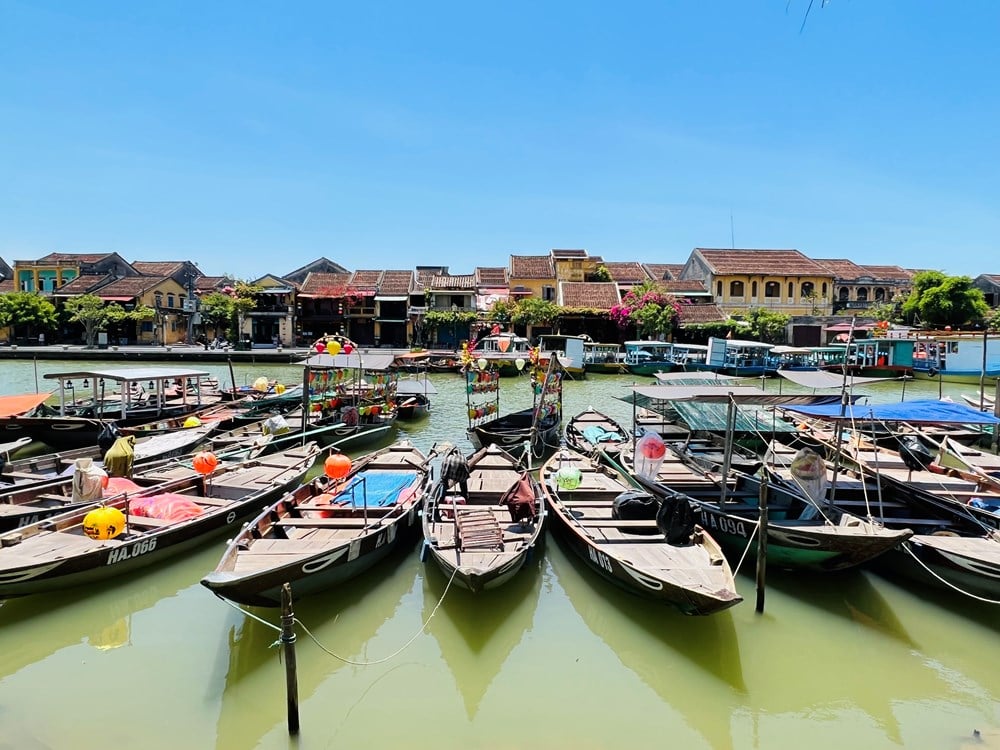
Efforts to preserve, restore and promote values
Hoi An is considered by UNESCO as “a typical example” of preserving an ancient Southeast Asian trading port city: the old town retains its traditional urban network, urban structure, and ancient house architecture from the 15th-19th centuries without being destroyed or replaced by modern materials.
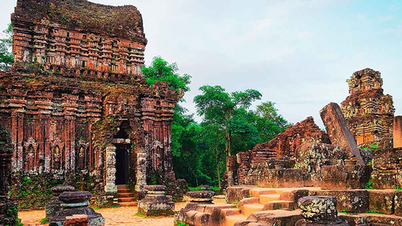
Meanwhile, at My Son Sanctuary, with at least 71 tower-temple relics, along with buried archaeological relics, are still preserved intact within a clearly demarcated area, fully reflecting the art-religious history of the ancient Cham Kingdom from the 4th to 13th centuries.
According to records, since being recognized by UNESCO, the authorities have implemented a series of restoration and maintenance projects: in Hoi An, nearly 459 works - including ancient houses, relics, and old streets - were repaired; in My Son, similar activities were also carried out with 11 Cham towers and 6 auxiliary items.
Notably, since 2019, the government of Quang Nam province, now Da Nang city, and the heritage management agency have coordinated with the local community and international organizations to organize many cultural and artistic activities, festivals, and scientific seminars, aiming to both honor and convey heritage values to the younger generation.
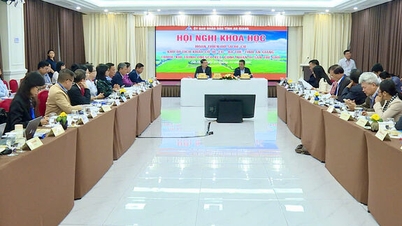
This year 2025, a series of activities to celebrate the 26th anniversary of the recognition of Hoi An - My Son heritage, including a conservation conference, free admission to the old town on December 4, and many community cultural activities, sports , academic exchanges, and folk arts, will be held - demonstrating the determination to preserve living heritage, combining conservation with sustainable tourism and cultural development.
Living heritage - a fulcrum for tourism , culture and community development
Thanks to the application of strict conservation policies and the exploitation of cultural and tourism values, Hoi An - My Son has become an outstanding international destination, making great contributions to local socio-economic development, improving people's lives, creating jobs, and attracting investment in services and tourism.
Not only stopping at preserving “living museums”, these heritages have been, are and will continue to be cultural bridges - between the past and the present, between ethnic communities, between Vietnam and the world. With history, architecture, religion, trade - every aspect of heritage reflects cultural depth, waiting for today's and tomorrow's generations to preserve and promote.
Experts say that the success of Hoi An and My Son lies not only in preserving the architecture and physical landscape, but also in the ability to connect the community, promote intangible values: festivals, crafts, folk culture, creating a multidimensional cultural living environment.
Mr. Tran Dinh Thanh - Deputy Director of the Department of Cultural Heritage (Ministry of Culture, Sports and Tourism) - commented at the 25th Anniversary of Hoi An Ancient Town being recognized by UNESCO as a World Cultural Heritage (2024), since being recognized by UNESCO, Hoi An heritage has "overcome many pressures" to become "a model of cultural heritage conservation and promotion" in Vietnam.
However, Mr. Thanh also warned: in the context of strong tourism development, if there is a lack of strict management, heritage can easily be "commercialized" or lose its originality. Therefore, it is necessary to ensure synchronous management, develop tourism associated with conservation; at the same time, promote the role of the community, respect indigenous culture, and preserve both tangible and intangible values.
According to the recently adjusted master plan in 2025, Hoi An will expand urban development to about 6,354.83 hectares, divided into functional areas such as: historical - heritage urban area, island ecological urban area, coastal residential area, sea gateway tourism and service area...
The goal of the planning is to turn Hoi An into an international ecological - cultural - tourist city, in parallel with sustainable tourism and heritage conservation.
Meanwhile, according to the task of planning the preservation, restoration, rehabilitation and promotion of the value of the My Son Temple Complex, a special national relic site, which was just approved by the Prime Minister in June 2025, the research planning area is about 30,875 hectares, including the main temple complex and subsidiary relics, the Thu Bon River basin area, related archaeological sites and ruins.
The planning aims to preserve and restore the system of temples, ruins, and natural landscapes associated with relics; maintain intangible cultural values: festivals, customs, folk legends, ethnic cultures; manage technical infrastructure, protect the environment, develop sustainable cultural tourism, and combine conservation with tourism exploitation.
Source: https://baovanhoa.vn/van-hoa/hoi-an-va-my-son-sau-26-nam-duoc-vinh-danh-di-san-the-gioi-185576.html




















![[Photo] Parade to celebrate the 50th anniversary of Laos' National Day](/_next/image?url=https%3A%2F%2Fvphoto.vietnam.vn%2Fthumb%2F1200x675%2Fvietnam%2Fresource%2FIMAGE%2F2025%2F12%2F02%2F1764691918289_ndo_br_0-jpg.webp&w=3840&q=75)











































Comment (0)