

The Nootka lupine, introduced to Iceland in the 1940s to restore damaged land, is now sweeping across the island, threatening its native species.
According to The Guardian, it was only when large swaths of Iceland began to turn purple that the authorities realized their mistake. By then it was too late.
The Nootka lupine, native to Alaska, has blanketed the shores of fjords, spread its tendrils over mountaintops, and blanketed Iceland's lava fields, grasslands, and reserves.
Since its introduction in the 1940s, the flower has become an unlikely national symbol. Hordes of tourists and locals pose for photos in the purple fields in June and July, mesmerized by the delicate cone-shaped petals that blanket this North Atlantic island.
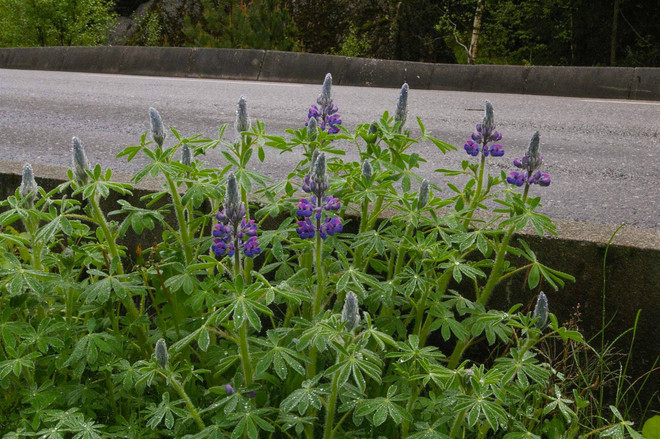
“ Tourists love it. They change the time of year to come to see the lupins. Lupins have become part of Iceland’s image, especially in the summer,” said Leszek Nowakowski, a photographer near Reykjavik.
But despite the summer photo-op, Icelanders have mixed opinions about the flowers - and scientists are increasingly concerned that they pose a threat to the native ecosystem.
Lupins were first introduced to protect the country’s dark volcanic soil from erosion. Fierce winds and rains washed large amounts of soil into the Atlantic each year – a problem that persists today, with 40% of the remaining land now classified as significantly degraded.
The purple-blue flowers were the idea of Hákon Bjarnason, Iceland's chief ranger at the end of World War II, who saw them on a trip to Alaska.
He believes the tree can prevent soil erosion by restoring the soil and fixing nitrogen into the ground. Many hope that one day the soil quality will reach a level that allows the island's forests to recover.
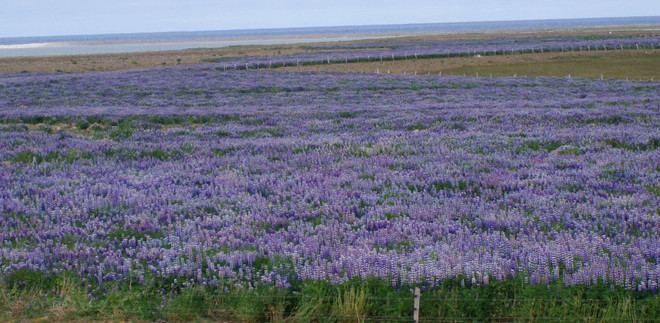
Today, most Icelandic scientists agree that the experiment went too far. According to the most recent satellite assessment in 2017, lupins cover just 0.3% of Iceland, but are classified as invasive and continue to spread rapidly across the island without human intervention, crowding out native plants and grasses.
Scientists predict that lupin coverage will triple by the next assessment in 2027 due to climate warming. In the coming years, one study estimates the species could grow to cover nearly a sixth of Iceland.
“The history of lupins in Iceland is a story of good intentions and unintended consequences,” says Pawel Wasowicz, director of botany at the Institute of Natural Sciences.
“Back in 1945, no one knew about invasive species. The term didn’t exist. No one had any idea about climate change. You could get free packets of seeds at gas stations to plant. That’s how the invasion started. They thought it would be a solution to their problem, but it spread much more than they expected,” he says. And the Icelandic authorities have made no serious effort to control the spread of the flower across the country.
However, many Icelanders have fallen in love with the flower and the summer purple bloom continues to spread. Lupin fields have become the ideal backdrop for local newlyweds to pose in the summer sun.
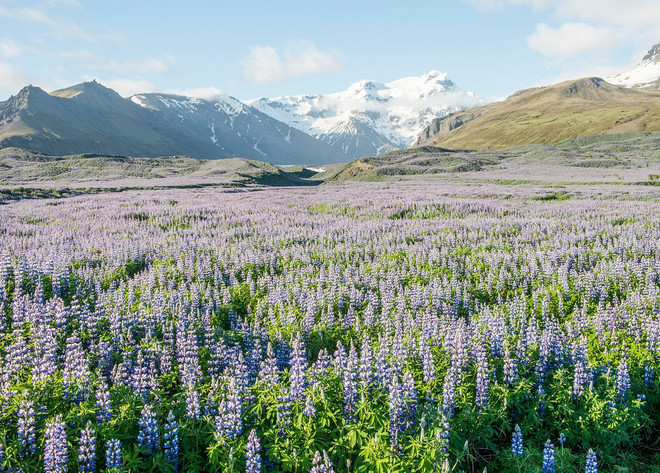
Some people have even created Facebook groups calling for the growth of the flower, despite government efforts to control the invasive species.
“Because it is so beautiful, it is often used by tourism companies in advertisements for the country,” says Guðrún Óskarsdóttir, a plant ecologist who has been studying the tree's impact in eastern Iceland.
Lupine enthusiasts say it has helped regenerate vegetation over time, just as Bjarnason intended when he brought it back from Alaska.
Up to 40% of Iceland was covered in forest when the Vikings arrived in the ninth century, but more than a millennium of deforestation and sheep farming has led to significant desertification. Advocates say lupines are helping. But Óskarsdóttir says it’s not that simple.
“Revegetating land with lupine is like using a stone to cure a toothache. It will work, but you will likely damage a lot of other things that weren’t damaged in the first place,” she said, explaining that the spread of lupine in some mountainous areas, crowding out native plants, has been linked to some landslides due to its impact on soil stability.
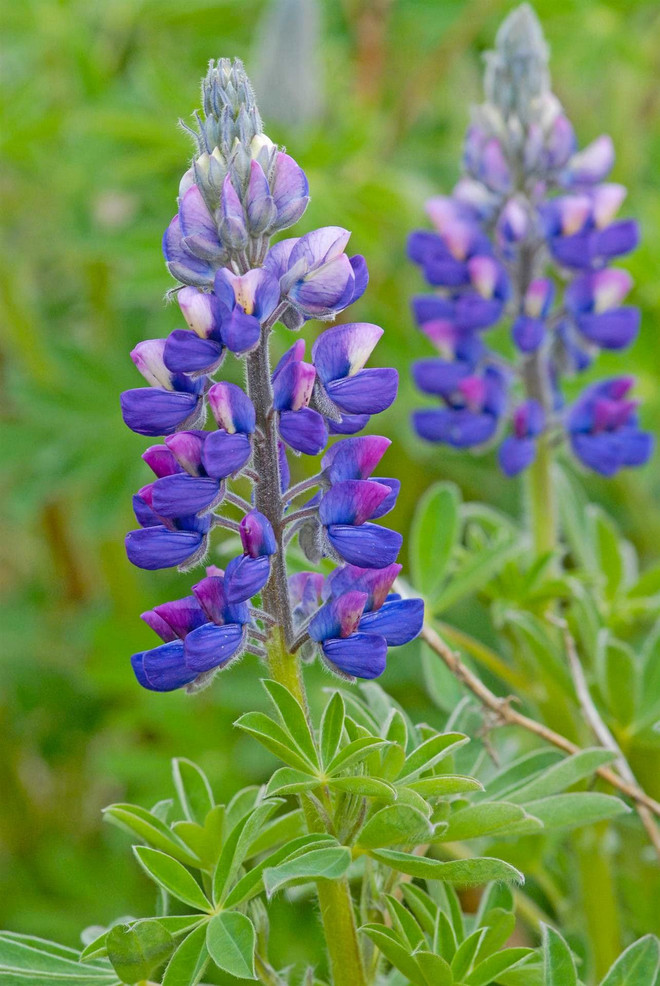
In the first areas where lupins were grown in southern Iceland, the moss under the flowers grew so thick that the flowers lost their ability to reproduce, giving way to native plants.
However, scientists say this process is only happening in some parts of Iceland, meaning lupins will continue to spread and dominate.
Scientists now say it is too late to eradicate the flower. Instead, the best option may be to simply keep it out of some of the most biodiverse areas./.
Source: https://www.vietnamplus.vn/iceland-nhung-canh-dong-hoa-tim-tuyet-dep-dang-de-doa-he-sinh-thai-ban-dia-post1081293.vnp

![[Photo] General Secretary To Lam receives the Director of the Academy of Public Administration and National Economy under the President of the Russian Federation](/_next/image?url=https%3A%2F%2Fvphoto.vietnam.vn%2Fthumb%2F1200x675%2Fvietnam%2Fresource%2FIMAGE%2F2025%2F12%2F08%2F1765200203892_a1-bnd-0933-4198-jpg.webp&w=3840&q=75)



























































































Comment (0)