

In 2024, Kien Xuong district aims for a 10.50% increase in total production value compared to 2023. However, in the first nine months of the year, the district's total production value is estimated at over 10,500 billion VND, a 5.76% increase compared to the same period last year, lower than the increase in the same period of the previous year, reaching only 54.8% of the annual plan. Having identified the reasons for this decline, the District Party Committee and the District People's Committee will implement comprehensive solutions in the remaining months of the year to achieve the highest possible target.
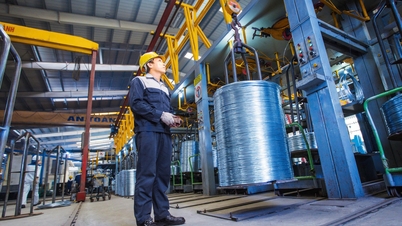
Manufactured at Thai Hoa Sports Equipment Company Limited (Vu Ninh Industrial Park, Kien Xuong).
Difficulties piled up.
One of the identified reasons for low growth is that agricultural production faced many disadvantages due to the impact of storm No. 3 and the rain and floods after the storm.
Mr. Dinh Cong Man, Head of the Agriculture and Rural Development Department of the district, affirmed that in the first six months of the year, agricultural production achieved the set targets, ranking second in the province in terms of growth rate; if this momentum is maintained, the growth target of 2.35% will certainly be exceeded in the first nine months and for the whole year of 2024. However, due to damage from typhoon No. 3, the growth in the first nine months was low, reaching only 1.73%. Many indicators decreased sharply compared to previous years, such as rice yield estimated at less than 50 quintals/hectare, plus more than 600 hectares of vegetable crops and 500 hectares of aquaculture were affected and damaged, along with other damage to the irrigation system, making it difficult for the agricultural sector to meet the set targets.
Regarding industrial production, Mr. Pham Van Quang, Head of the District's Economic and Infrastructure Department, stated: The district has over 400 businesses, of which approximately 130 specialize in textiles, yarn, and footwear, accounting for about 70% of the district's industrial production value. Over the past nine months, although the number and value of orders for textile businesses were higher than last year, and many businesses required workers to work overtime, the value of orders still decreased by 30-40% compared to three years ago. Investment in the industrial sector has been slow, and many footwear and garment manufacturers are still facing labor shortages. Industrial clusters (ICs) have also seen little progress. For example, in the Con Nhat IC, investors are eager to build technical infrastructure but lack a land use plan. In the Trung Ne IC, although land clearance is complete, the infrastructure investor has yet to build a centralized wastewater treatment plant, thus attracting no secondary investors. Some investors lack the financial capacity and enthusiasm to invest. Specifically, the investor in the Vu Quy IC, despite a decision to expand the cluster in 2017, has not yet implemented the project. Similarly, in the Binh Minh IC, despite the district's vigorous efforts to complete land clearance before the Lunar New Year in 2024, infrastructure construction has yet to begin. For these reasons, a breakthrough in industrial production is unlikely, as no new businesses are expected to invest in these ICs by the end of the year.
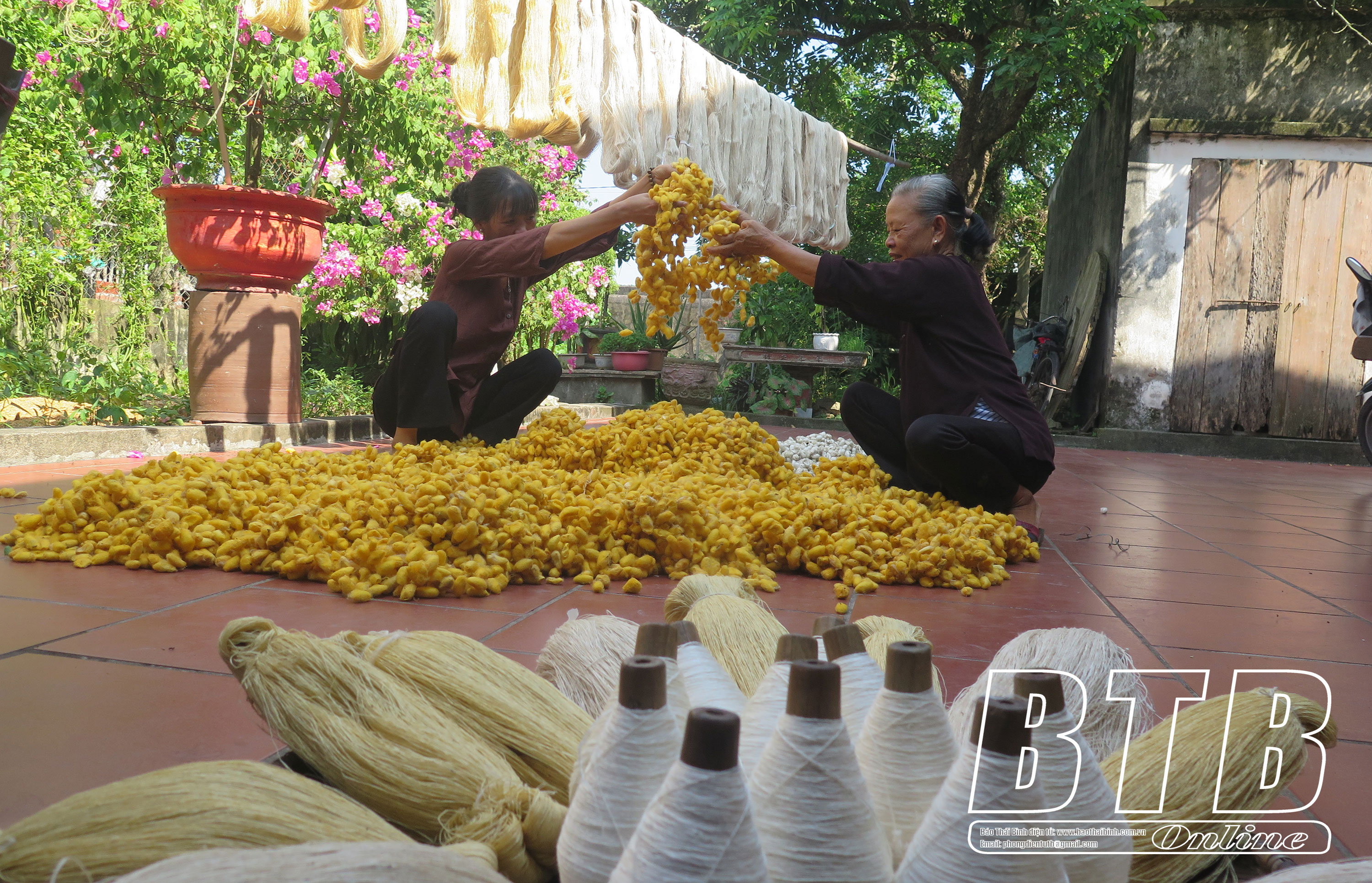
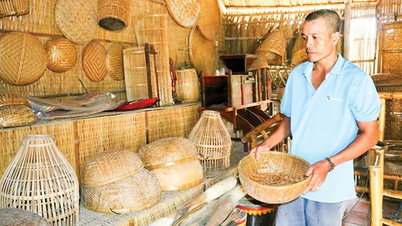
Nam Cao linen weaving village has been restored and developed again.
Focus on accelerating
Clearly identifying the issues, the District Party Committee and People's Committee held a meeting to discuss and assign specific tasks to each department, office and locality.
Mr. Hoang Viet Huy, Chairman of the District People's Committee, said: "The economic landscape still faces many difficulties. The district has determined that it is difficult to strongly develop the industrial sector, so for the time being, we will focus on investing in agricultural development. Accordingly, we will zone areas for commodity production, invest in the internal irrigation and transportation system, and plan pumping stations in low-lying areas to avoid prolonged flooding that caused severe damage like Typhoon No. 3 recently. We will continue to promote and expand concentrated commodity production areas, effective agricultural models, and key agricultural products of the district such as the mud rice model in Hong Tien and Tra Giang communes, and organic rice in Binh Dinh commune, to invest in building the internal irrigation and transportation system and developing unique products for each locality." Besides focusing on overcoming the consequences of Typhoon No. 3, the district will strive to expand the area for winter crop cultivation to 4,500 hectares or more by creating favorable conditions for households to consolidate land, rent or borrow fields for production, and support key potato and vegetable seeds with funding from the province and district. It will also promote livestock development, increasing the scale of livestock and poultry herds; and develop OCOP products such as Nam Cao silk weaving, hydroponic water spinach, and Binh Dinh organic rice. Furthermore, it will continue to restore some aquaculture areas damaged by Typhoon No. 3 in Minh Tan, Vu Hoa, and Vu Binh communes by building embankments and repairing breaches to enable people to resume production. In the industrial sector, Kien Xuong will continue to clear land and attract secondary investors to industrial clusters. The district will review the infrastructure investors of the industrial clusters, creating favorable conditions for capable units to attract investment, while simultaneously monitoring investment and requiring infrastructure investors to build according to the committed schedule, avoiding situations where land is held without construction or construction is carried out slowly, causing waste of land resources and slowing down the district's development. In addition, the district will continue to develop traditional craft villages by promoting their brands so that when people talk about silversmithing, they think of Dong Xam; when they talk about silk weaving, they think of Nam Cao... Only in this way can traditional craft villages avoid decline and gain a firm foothold in the market.
Mr. Hoang Viet Huy affirmed: Although difficult, the district will strive to achieve the highest goals, not retreat. Along with accelerating infrastructure development and speeding up land clearance for key roads passing through the district, investment revenue in the district will certainly improve in the coming time.
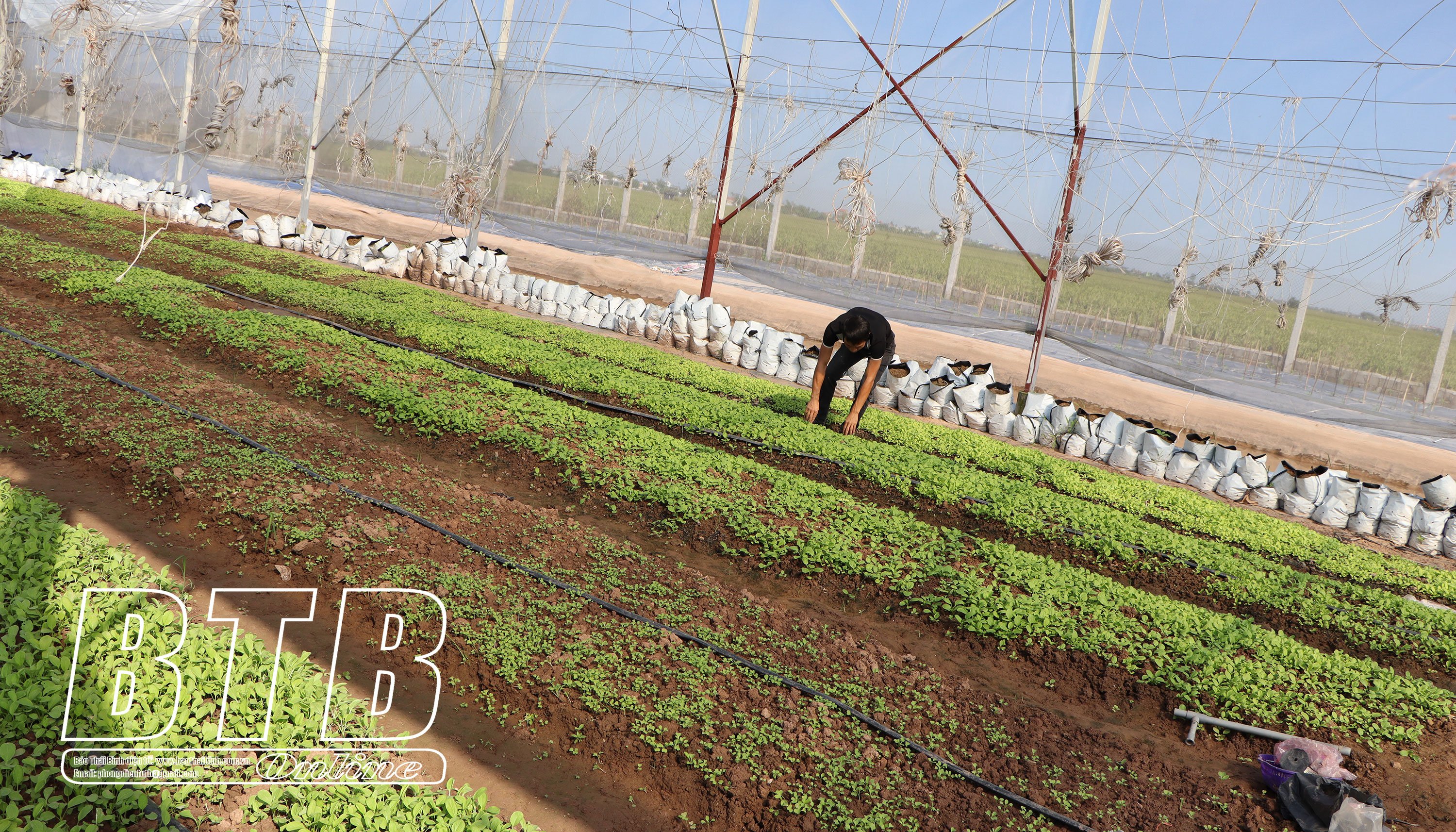
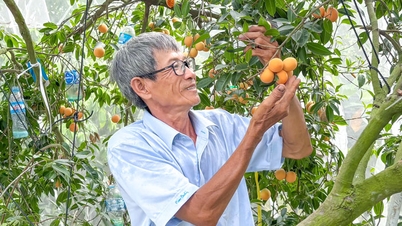
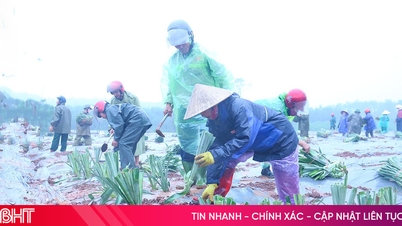
High-tech agricultural production models in Kien Xuong are being restored to production.
Thu Thuy
Source: https://baothaibinh.com.vn/tin-tuc/4/210055/kien-xuong-no-luc-thuc-day-tang-truong-kinh-te













































































Comment (0)