

Mr. Ho Viet Hung's Boer goat farming model (Xuan Vien commune, Nghi Xuan district, Ha Tinh province ) is considered the largest in the district.
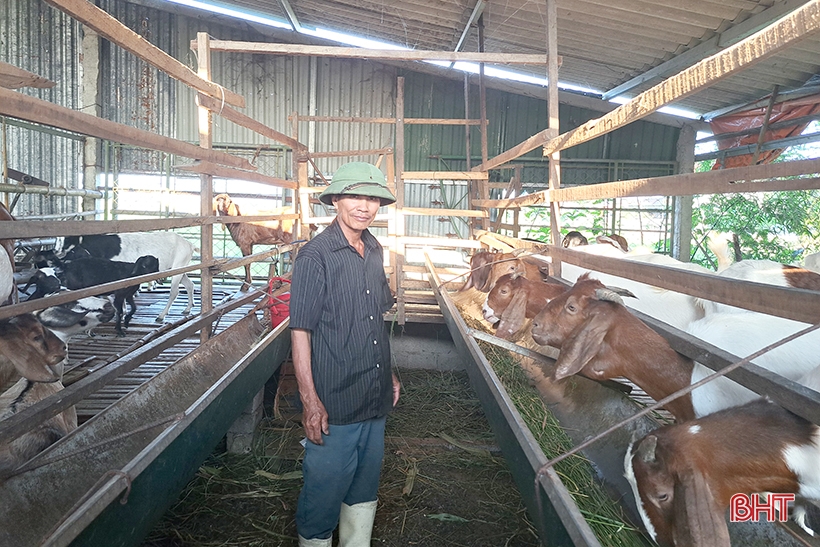
Mr. Ho Viet Hung (born in 1962, Gia Phu village, Xuan Vien commune) owns dozens of Boer crossbred goats for breeding. Mr. Hung shared that after quitting his job as a security guard at a school in the area, he returned home to engage in agricultural production, but his income was only enough to cover his family's living expenses.
After many sleepless nights, he decided to switch to raising Boer goats to develop his economy and increase his income. Many people discouraged him because he lacked the necessary goat farming techniques. Meanwhile, the climate in the delta region was difficult to adapt to, and the goats were prone to disease. "I thought that anything I was passionate about and determined to do would surely succeed, so I decided to give it a try, " Mr. Hung expressed.
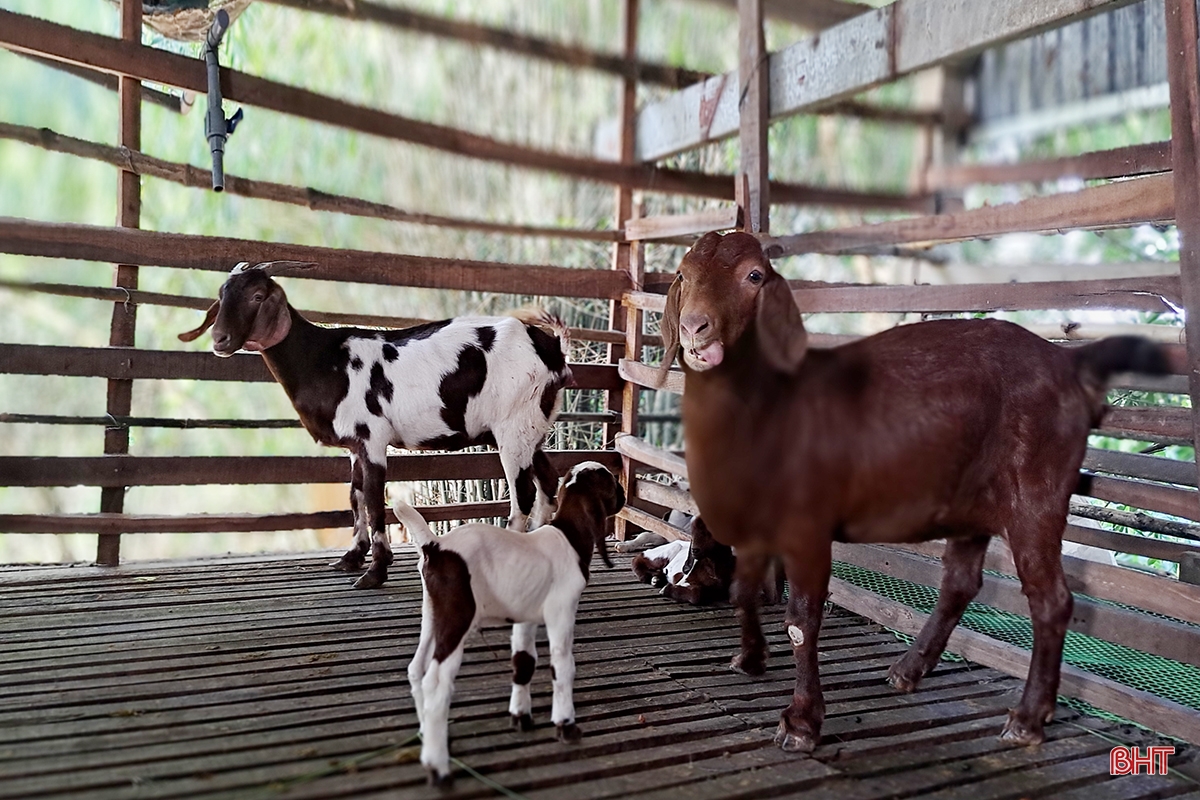
After doing some research, in 2021, he invested in building barns to raise goats. With an area of nearly 300 m² , he "planned" it into 3 rows of barns, each with a capacity of 20-30 goats. The barns were designed to be airy, clean, and protected from the heat, with the floor raised about 80 cm above the ground because goats don't like high humidity, especially drizzle, which can easily make them sick.
Later, he packed his bags and traveled to Huong Son district to visit, learn about, and spent nearly 50 million VND to buy 40 Boer goats for experimental breeding. This breed of goat, originating from South Africa, is easy to care for, resistant to disease, and grows quickly.
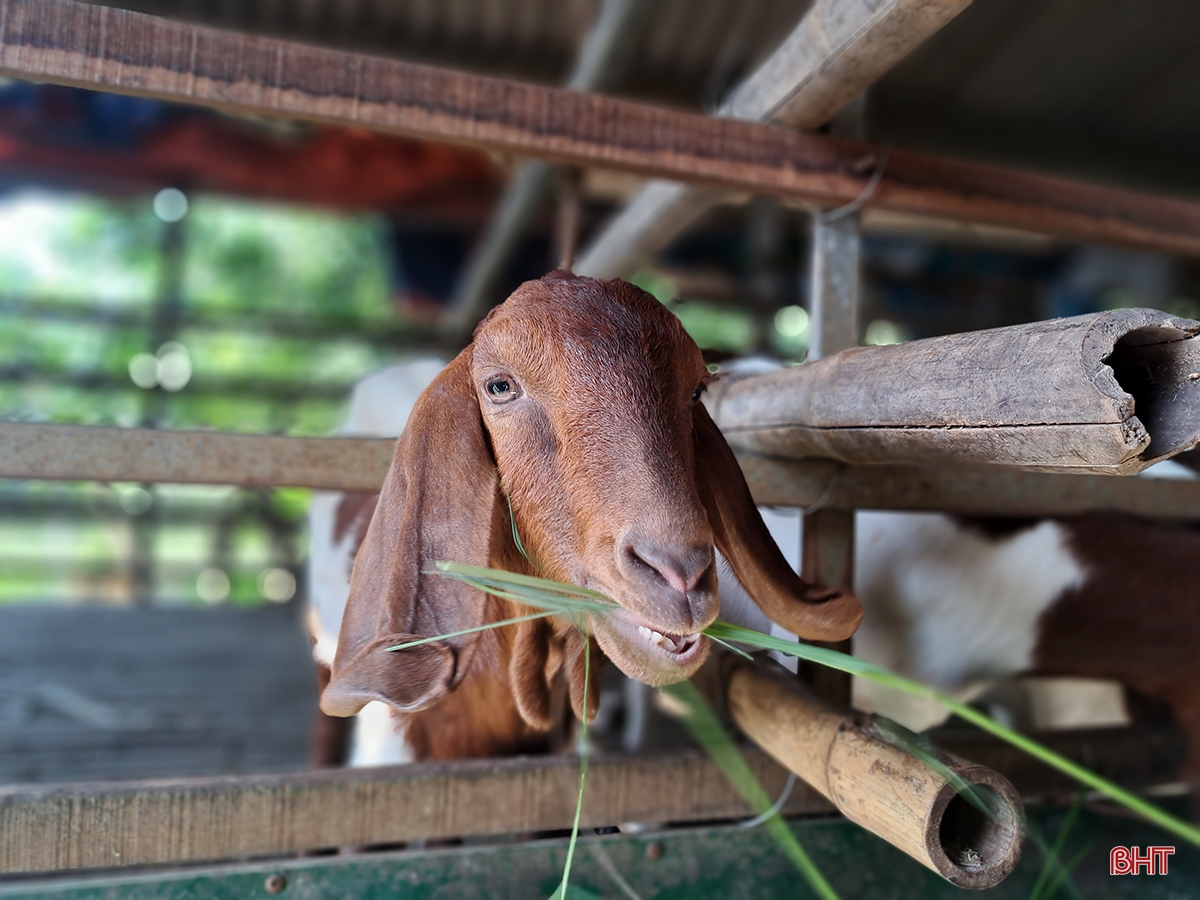
The goats he carefully selected were healthy, agile, and weighed an average of 13-15 kg. " When I started, I really faced difficulties. In the beginning, due to a lack of knowledge and experience in caring for them, the herd grew slowly, often got sick, and some died, " Mr. Hung explained.
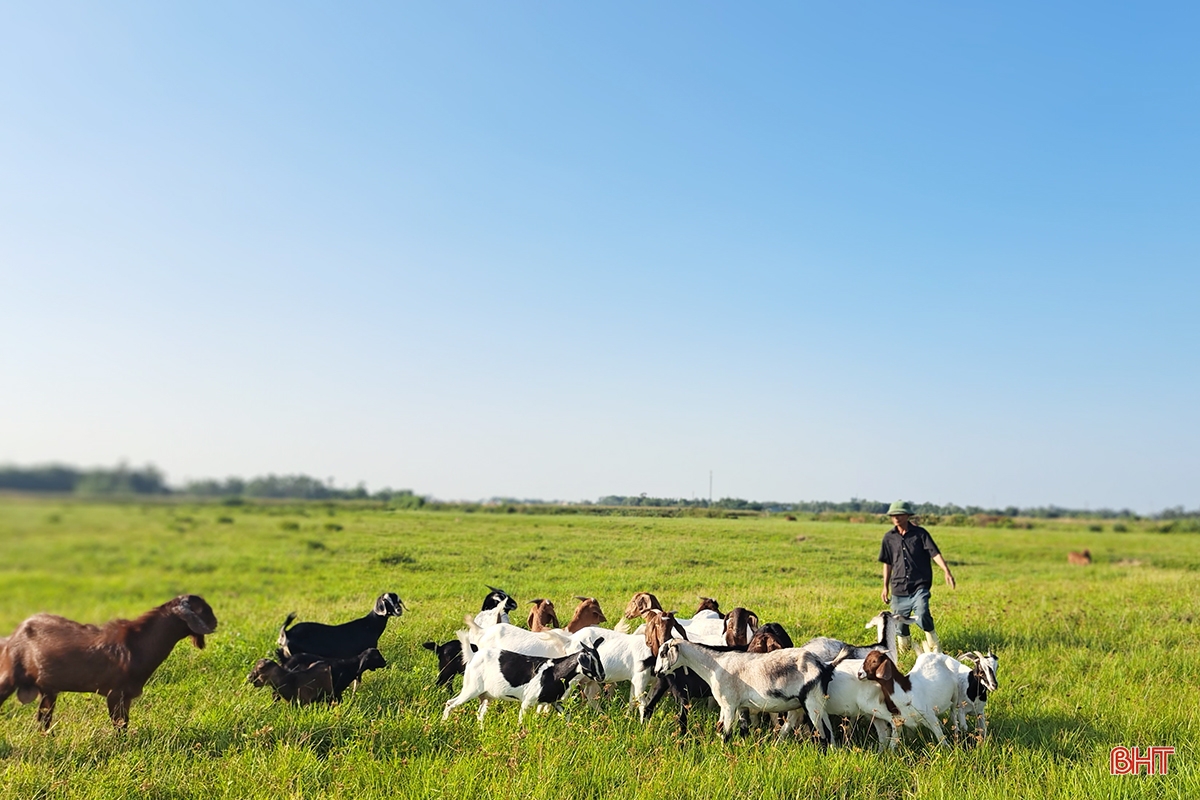
Undeterred, Mr. Hung spent considerable time researching and learning from large-scale Boer goat farms in the province. Afterward, he switched his goat herd to a semi-intensive farming system. In the mornings, the goats were cared for in the pens, and in the afternoons, they were fed in the open fields.
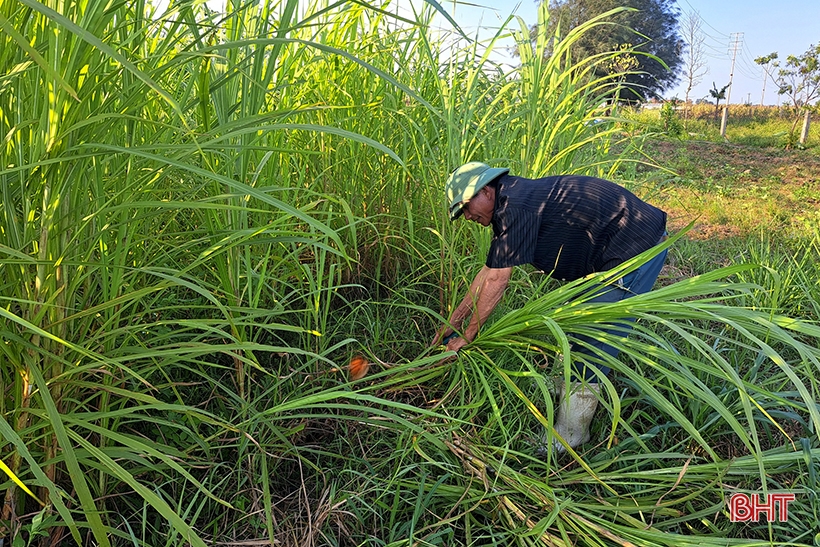
Taking advantage of the garden area, he also invested in planting more than 3 acres of elephant grass and 7 acres of corn in the fields to feed his goats.
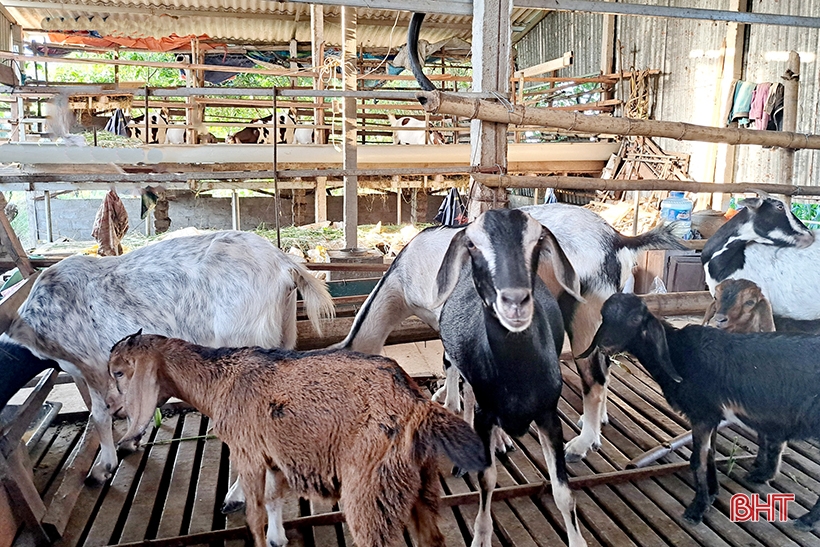
After more than 5 months of domestication, care, and fattening, the commercial goat herd reached a weight of 35-40 kg/goat. He then partnered with a breeding facility to sell these goats. Each year, he raises two batches of commercial goats, with each batch consisting of 30-40 goats, sold at 120,000 VND/kg. After deducting expenses, he earns a profit of approximately 200 million VND.
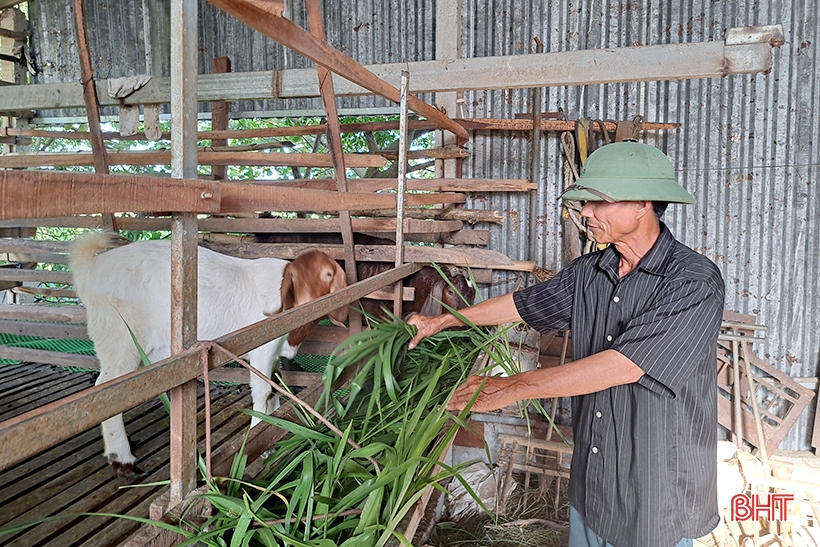
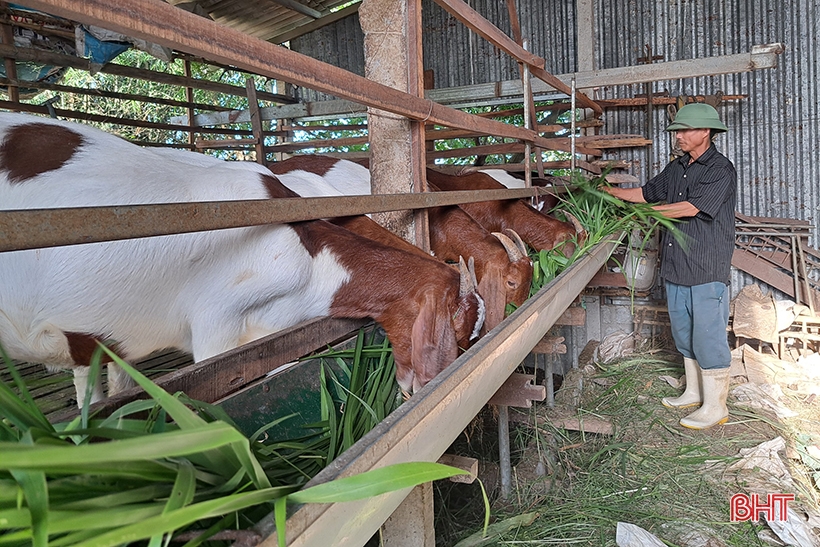
The main food of Boer goats consists of various types of leaves and agricultural by-products. He feeds the goats three times a day, emphasizing that the food must be dry and clean for the animals to grow quickly and be less prone to disease.
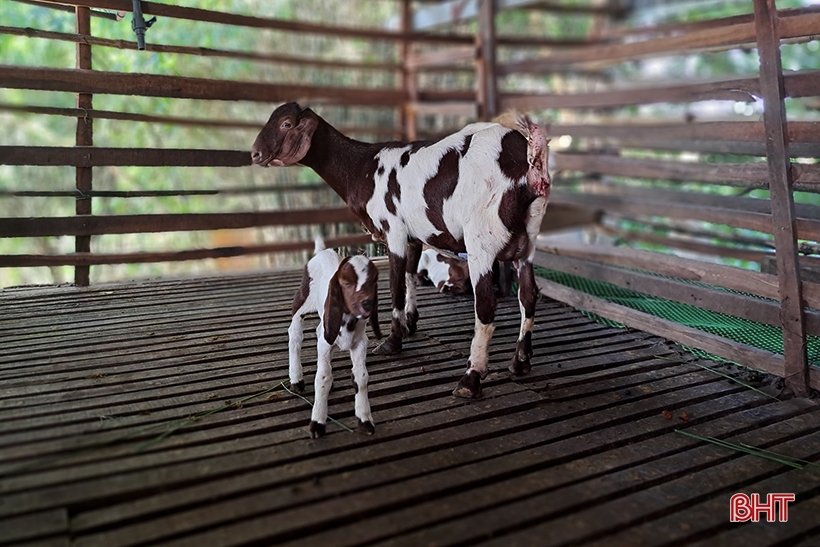
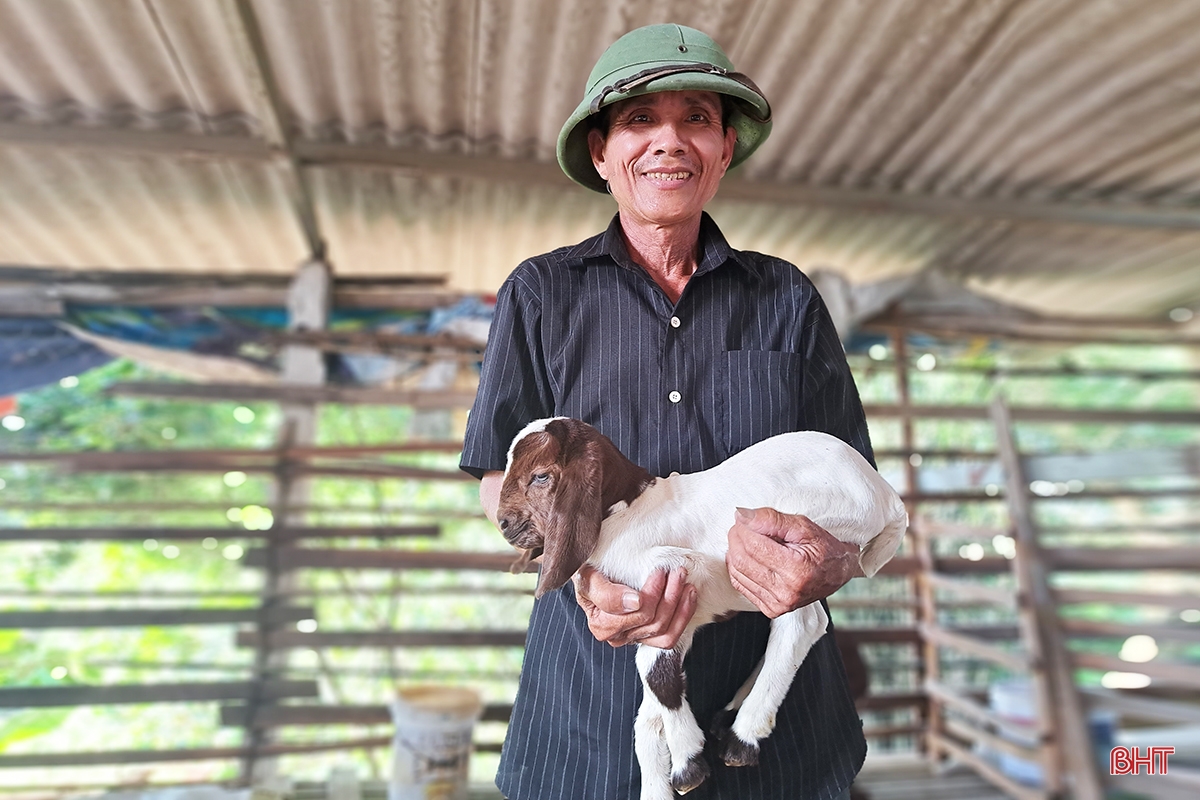
After two years of raising goats for commercial purposes, he switched to breeding Boer goats. Mr. Hung said that breeding Boer goats brings higher income than raising goats for commercial purposes. On average, the goats breed three times in two years, with each litter producing 1-2 offspring.
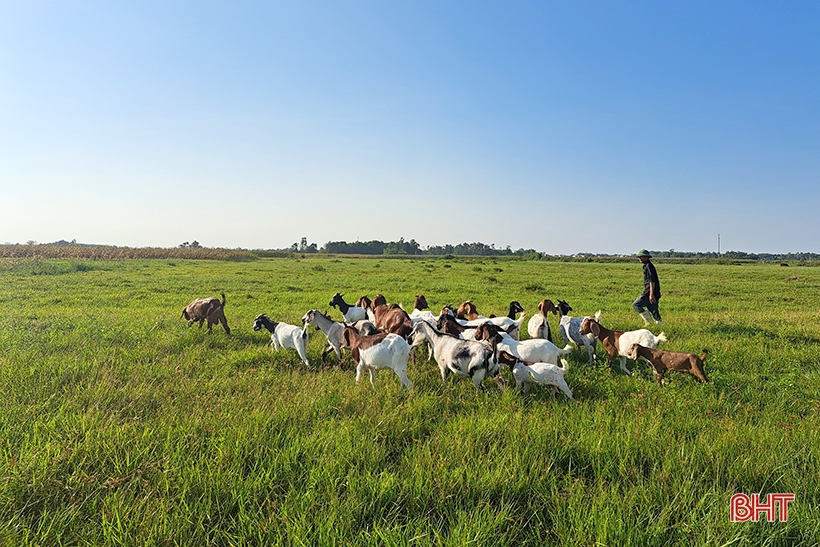
“ Currently, goat meat is in high demand in the market, so there’s no worry about sales. During the breeding process, I will select healthy animals for reproduction and herd expansion. Those that don’t meet quality standards will be separated and fattened for commercial sale, supplying restaurants inside and outside the district, ” Mr. Hung said.
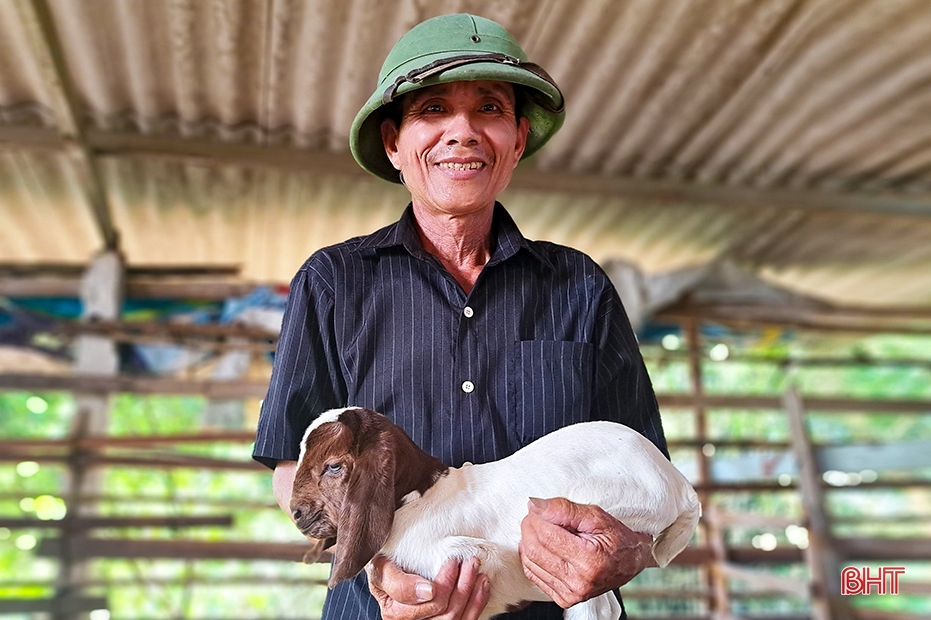
Mr. Ho Viet Hung's family's Boer goat farming model has yielded practical results, opening up a new direction in livestock farming. Local authorities have also organized visits for people to learn from and replicate the model, contributing to the promotion of local economic development.
Mr. Phan Xuan Thuy
Vice Chairman of the People's Committee of Xuan Vien Commune
Huu Trung
Source



































































Comment (0)