

According to Reuters, the US Department of Commerce announced on November 1st that it had imposed a $500,000 fine on New York-based GlobalFoundries for shipping chips to a company in China without permission.
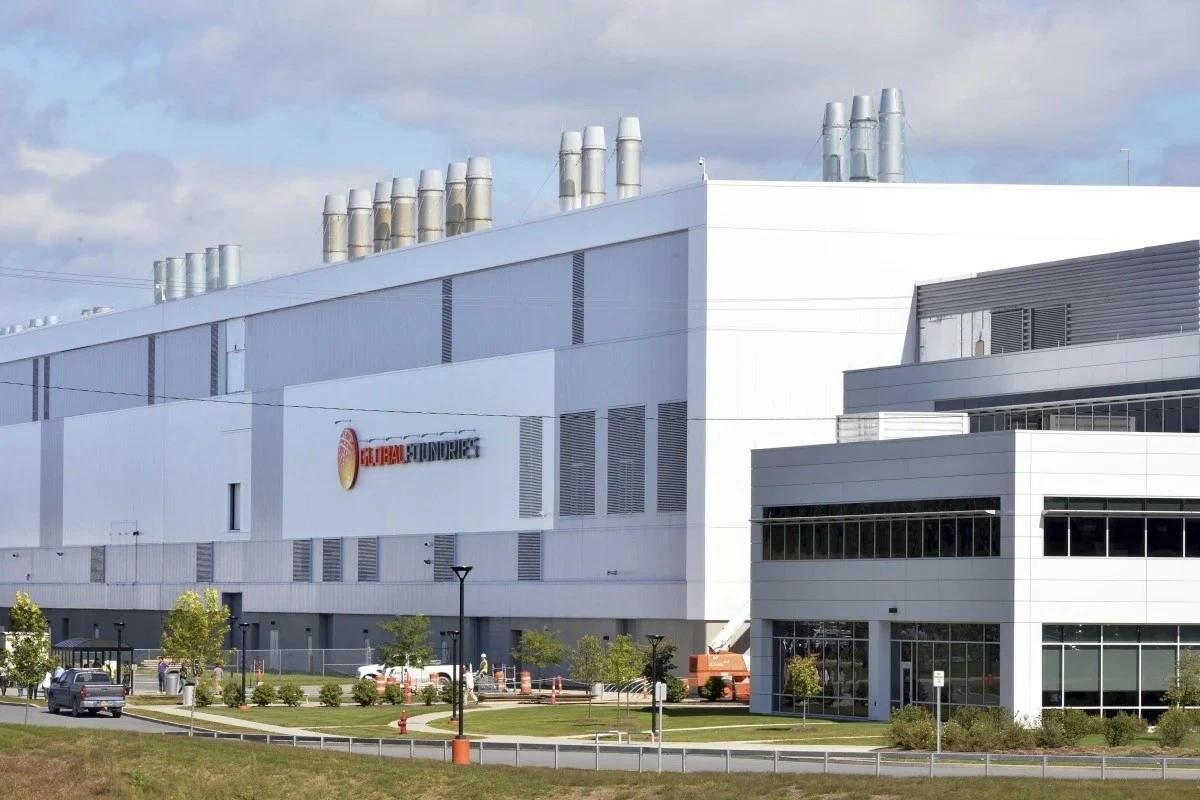 |
| The US has sanctioned GlobalFoundrie for shipping chips to China. (Source: Reuters) |
In a statement, the department said GlobalFoundries had shipped 74 consignments worth $17.1 million to a company on the department's Bureau of Industry and Security's "blacklist."
The U.S. Commerce Department added that exporting to the companies on this list requires a license, and GlobalFoundries did not apply for one.
Also on November 1st, Reuters reported that the US government had finalized a new regulation expanding its authority to review foreign real estate purchases near US military bases due to threats to national security.
The U.S. is increasingly concerned about national security risks from real estate purchases linked to China near sensitive military sites.
This regulation from the U.S. Treasury Department , first proposed in July of this year, adds nearly 60 military facilities across 30 states to the list under review (bringing the total to approximately 227 military facilities) and would expand the authority of the Committee on Foreign Investment in the United States (CFIUS).
In late October, the US government announced the final set of regulations aimed at controlling its investment in artificial intelligence (AI), semiconductors, and other technologies in China.
These regulations, proposed by the U.S. Treasury Department in June, are based on an executive order signed by President Joe Biden in August 2023.
The new regulations cover three main areas: semiconductors and microelectronics, quantum information technology, and certain AI systems.
The new regulations will take effect on January 2, 2025, and will be overseen by the Ministry of Finance's newly established Global Trading Office.
The ministry said these technologies are the foundation for the development of next-generation military, surveillance, intelligence, and cybersecurity applications.
Paul Rosen, Assistant Secretary of the Treasury for Investment Security, added that the regulations include technologies such as advanced computer systems for cracking codes or next-generation fighter jets.
Source: https://baoquocte.vn/cang-thang-my-trung-quoc-mot-cong-ty-tai-new-york-bi-trung-phat-washington-siet-giao-dich-mua-bat-dong-san-cua-nuoc-ngoai-gan-can-cu-quan-su-292263.html
































































Comment (0)