

(NLĐO) - The Capybara family, the world's largest rodent species, has recently joined Saigon Zoo and quickly attracted the attention of many visitors.
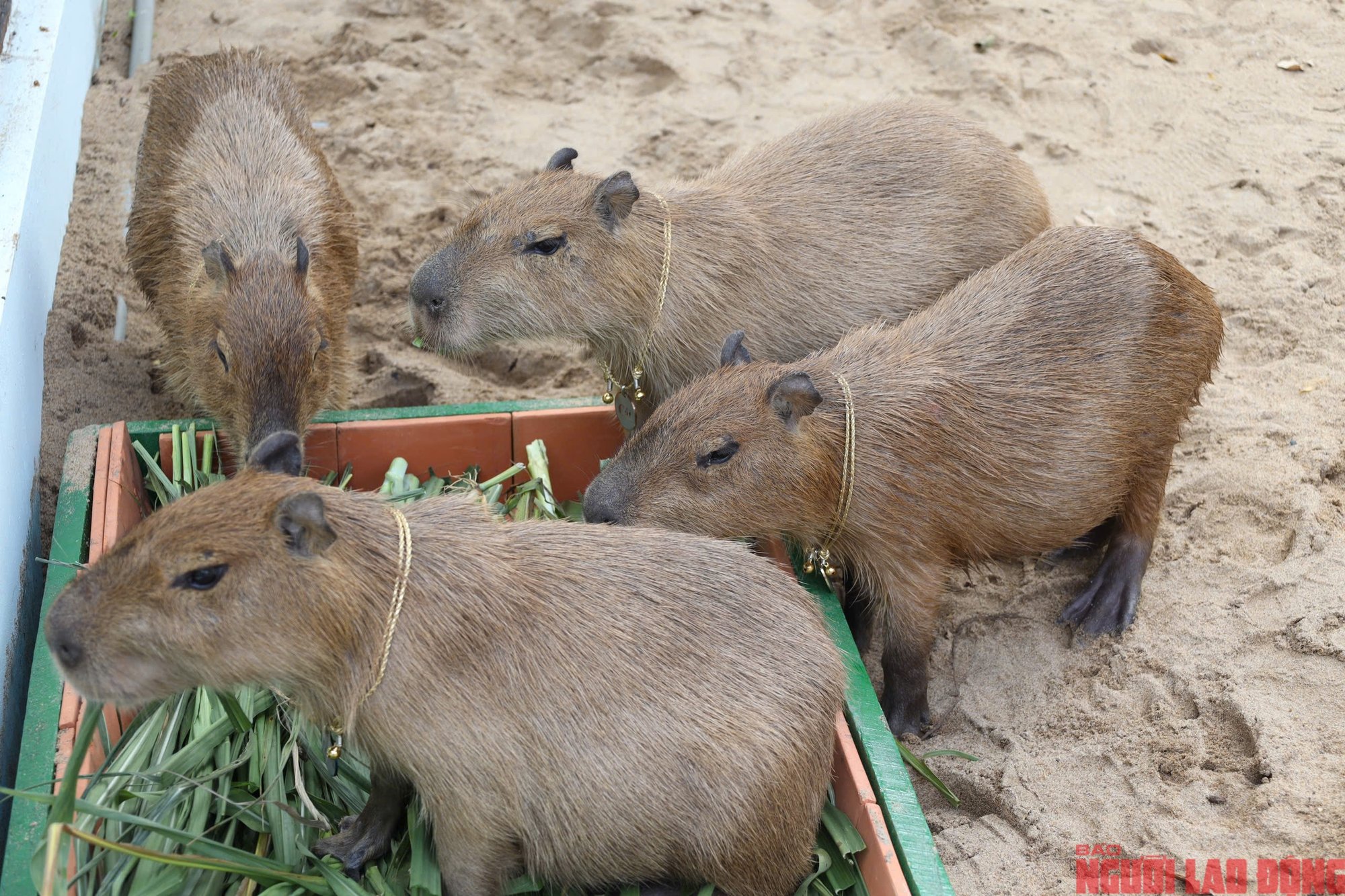
On the morning of January 3rd, Saigon Zoo introduced a herd of four Capybaras. They were given auspicious names: Phu, Quy, Cat, and Tuong. Phu and Quy are male.
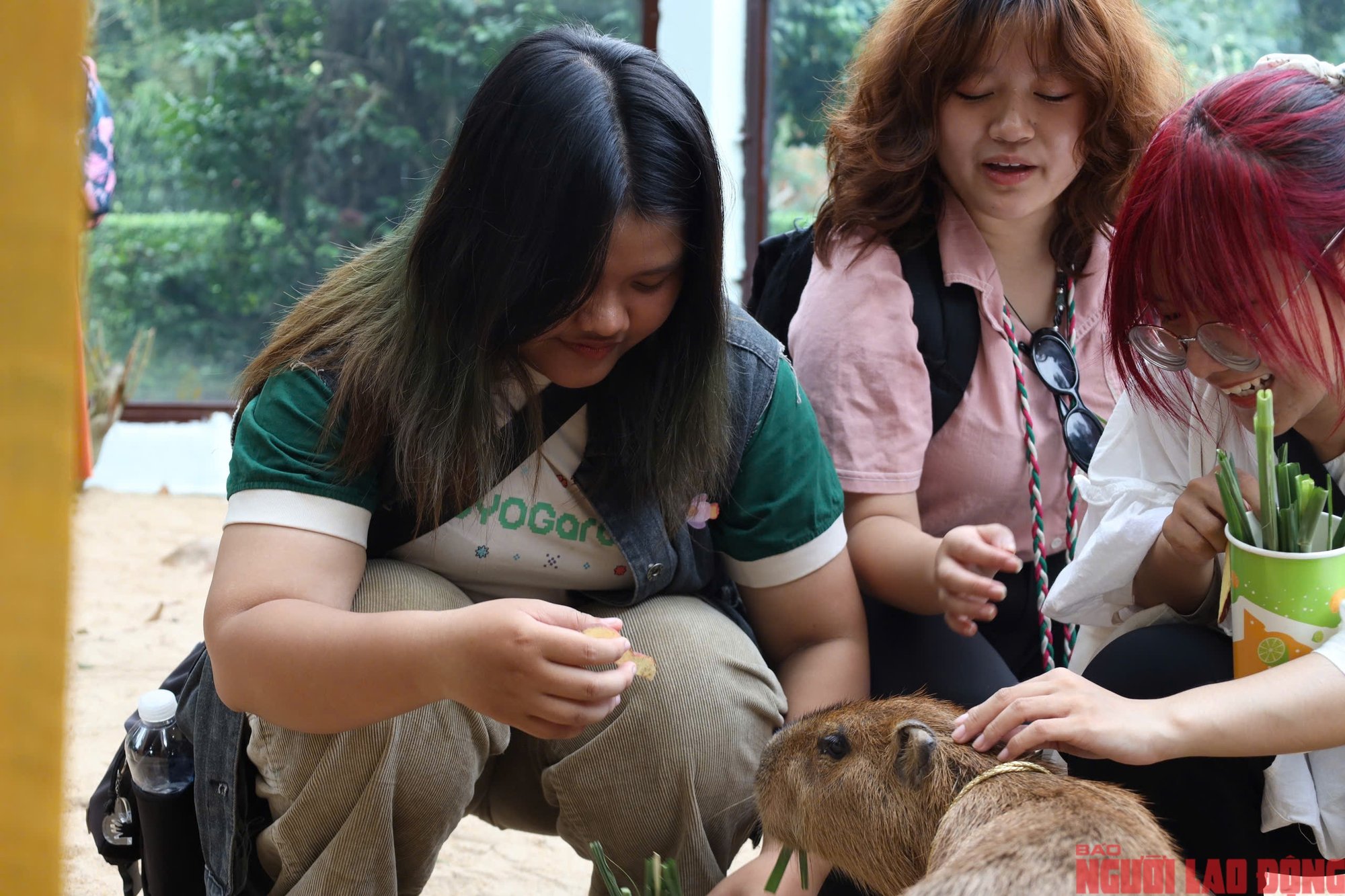
The zoo introduces a herd of four Capybaras: Phu, Quy, Cat, and Tuong.
Capybaras resemble large rabbits with round bodies, short, shaggy fur, and predominantly brown or gray colors. Their comical and "mindless" faces make a special impression on visitors and have earned them the nickname " foreign ministers" of the animal world.
Mr. Mai Khac Trung Truc, Director of the Zoo Animal Enterprise, said that the Capybara species is able to adapt well to environments with temperatures as high as 38°C and as low as 4°C, but they particularly prefer humid environments.
"Minister of Foreign Affairs " makes an appearance before visitors at the Saigon Zoo - CLIP: CHI NGUYEN
"To ensure the health of the Capybara, we maintain stable humidity in the enclosures by installing a misting system and building a large water pool. Low humidity can make them more susceptible to disease," Mr. Truc shared.
Capybaras at the zoo's diet consists mainly of leaves and grass, making up 95% of their diet. They eat very little starch and sweets. Notably, Capybaras have a habit of re-eating their own feces, which helps them absorb beneficial bacteria, balance their gut microbiome, and improve digestion.
With her gentle and sociable personality, Capybara easily wins the hearts of everyone.
Le Huu Phuc, a Capybara caretaker, said: "Initially, they were very shy and often avoided people. It took me 1-2 weeks to approach them and help them gradually get used to humans."
Capybaras originate from humid tropical regions of South America, particularly in countries east of the Andes Mountains such as Colombia, Venezuela, Brazil, Argentina, and Uruguay. This species can reach a length of 1.2 to 1.5 meters, weigh up to 75 kg, and has an average lifespan of 10 years in zoo environments.
Each day, a Capybara needs approximately 2,500 kcal, with at least 50% of its diet being green fodder. Ripe, sugary fruits only make up about 5%. The Capybara herd at the zoo is not only a new and attractive highlight but also helps visitors learn more about the world's largest rodent.
Take a look at "Foreign Minister" Capypara at the Botanical Garden:
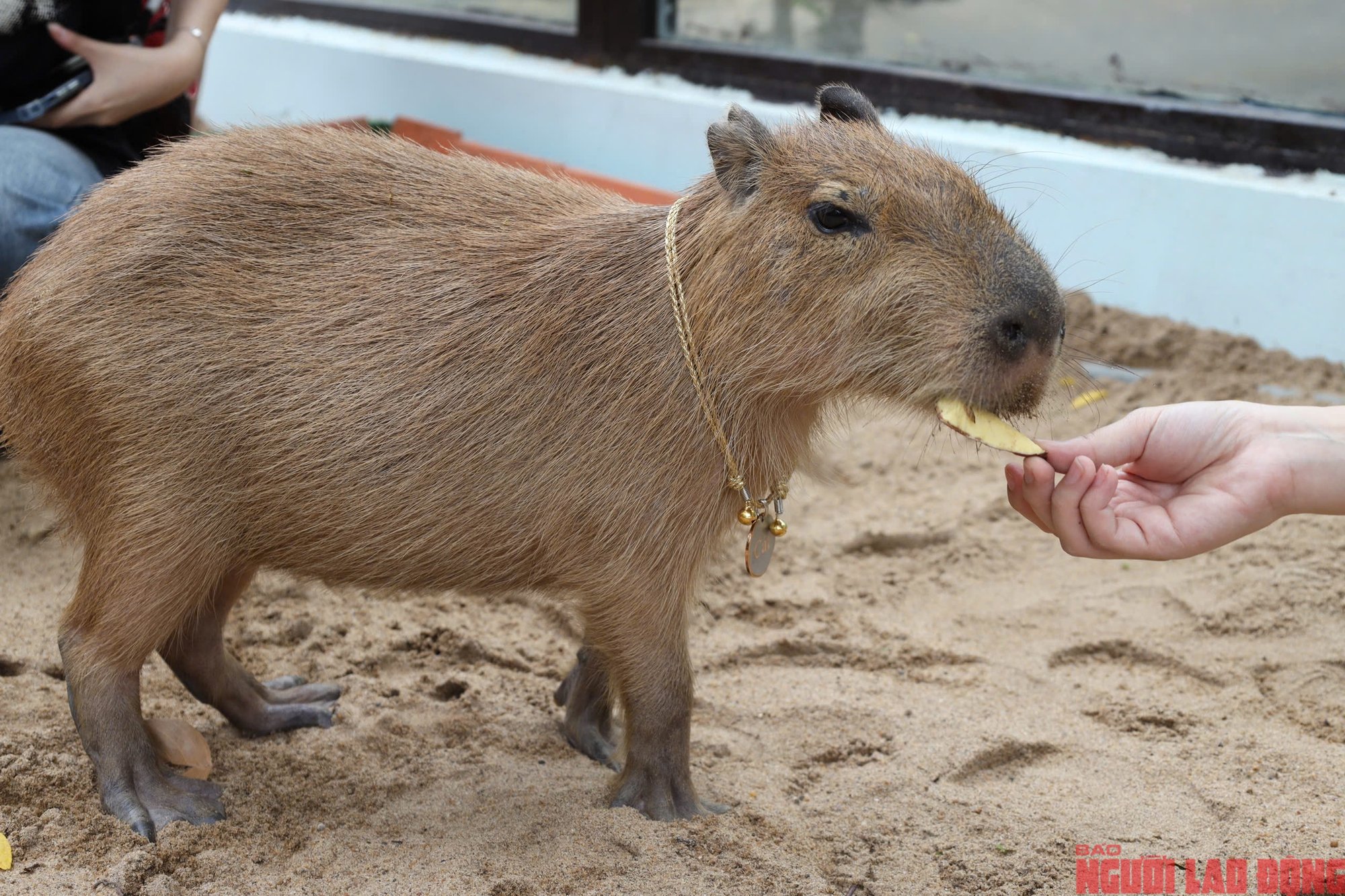
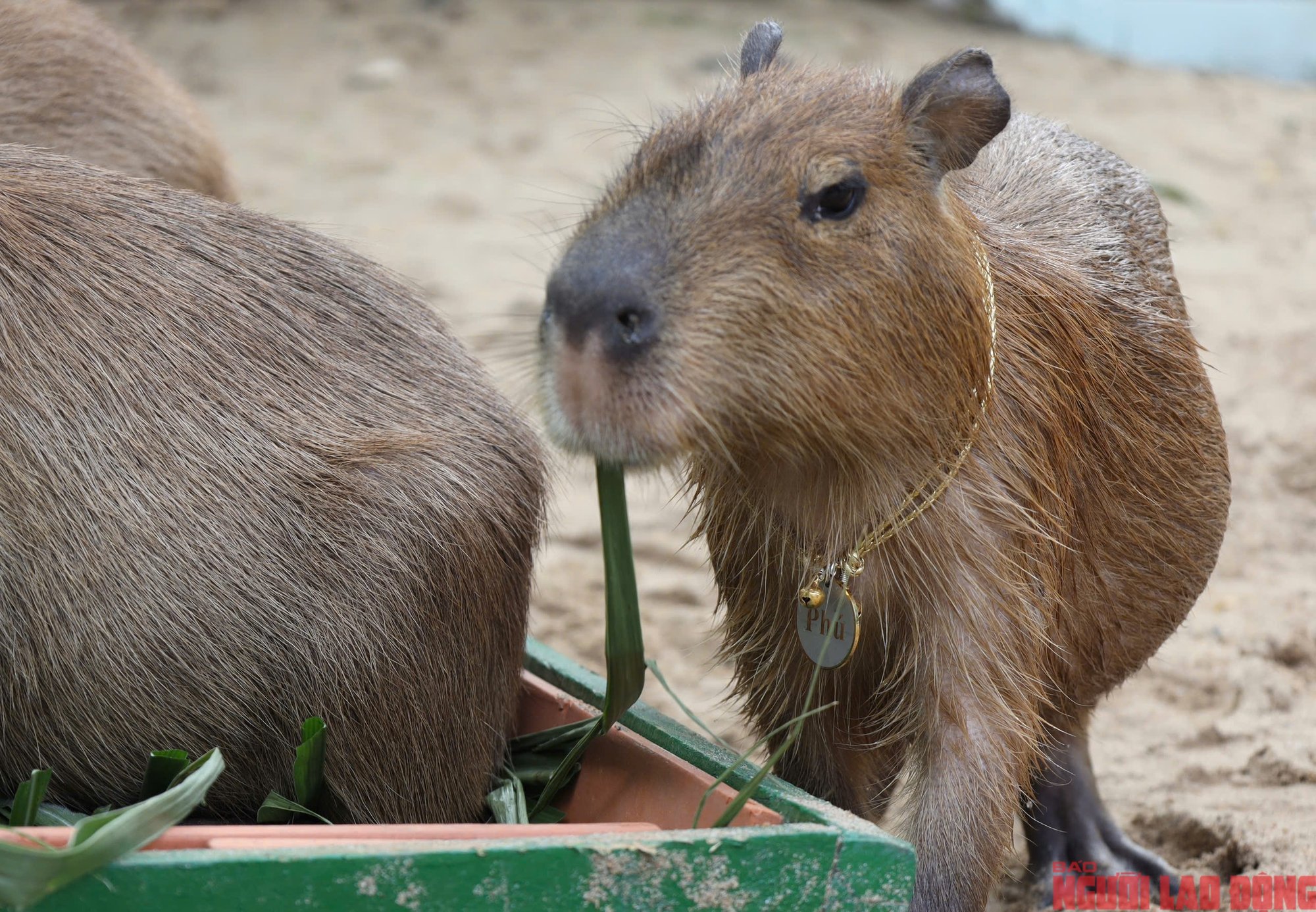
Capybaras resemble giant rabbits, with a round body, short, shaggy fur, and predominantly brown or gray coloration.
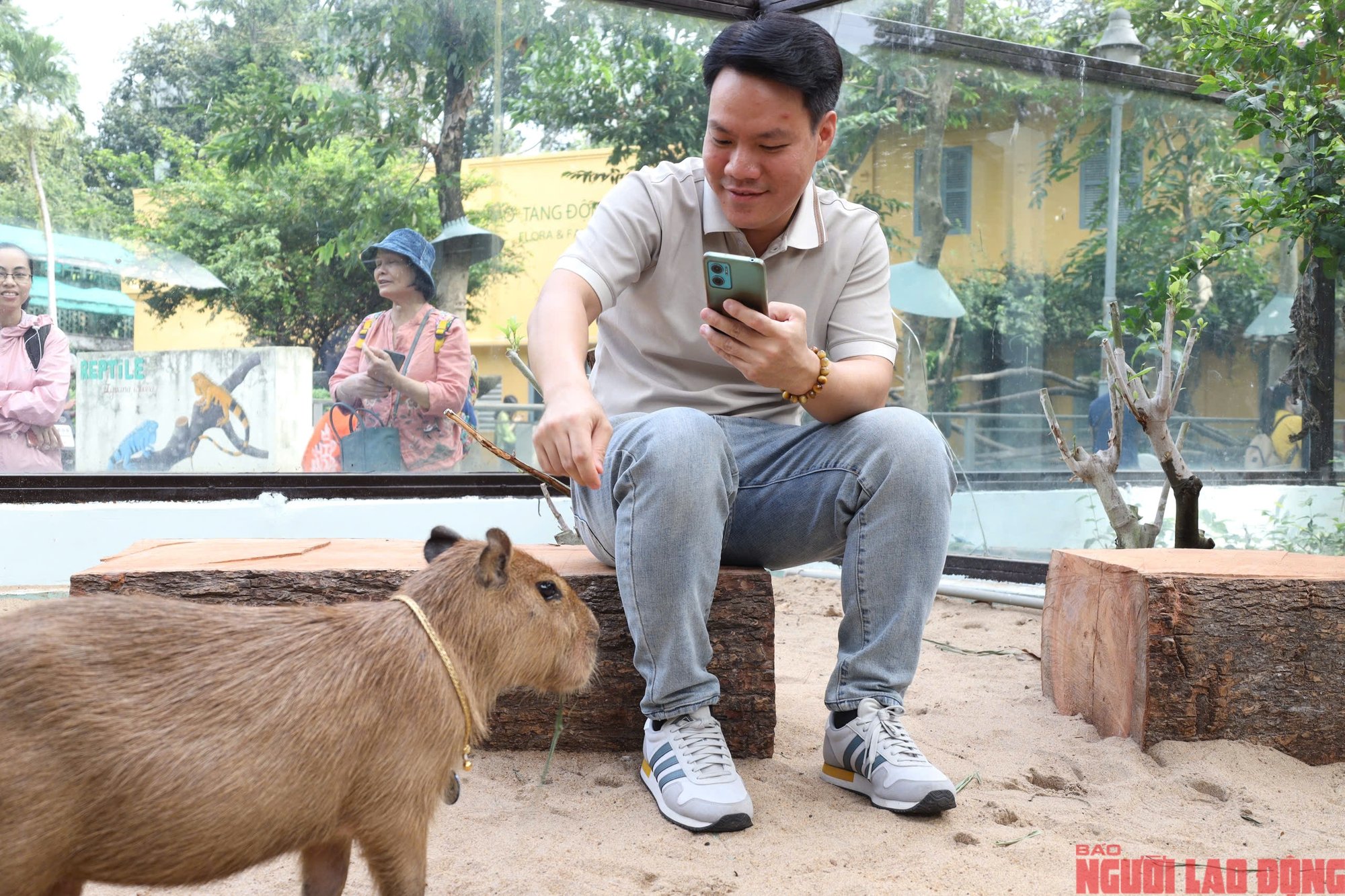
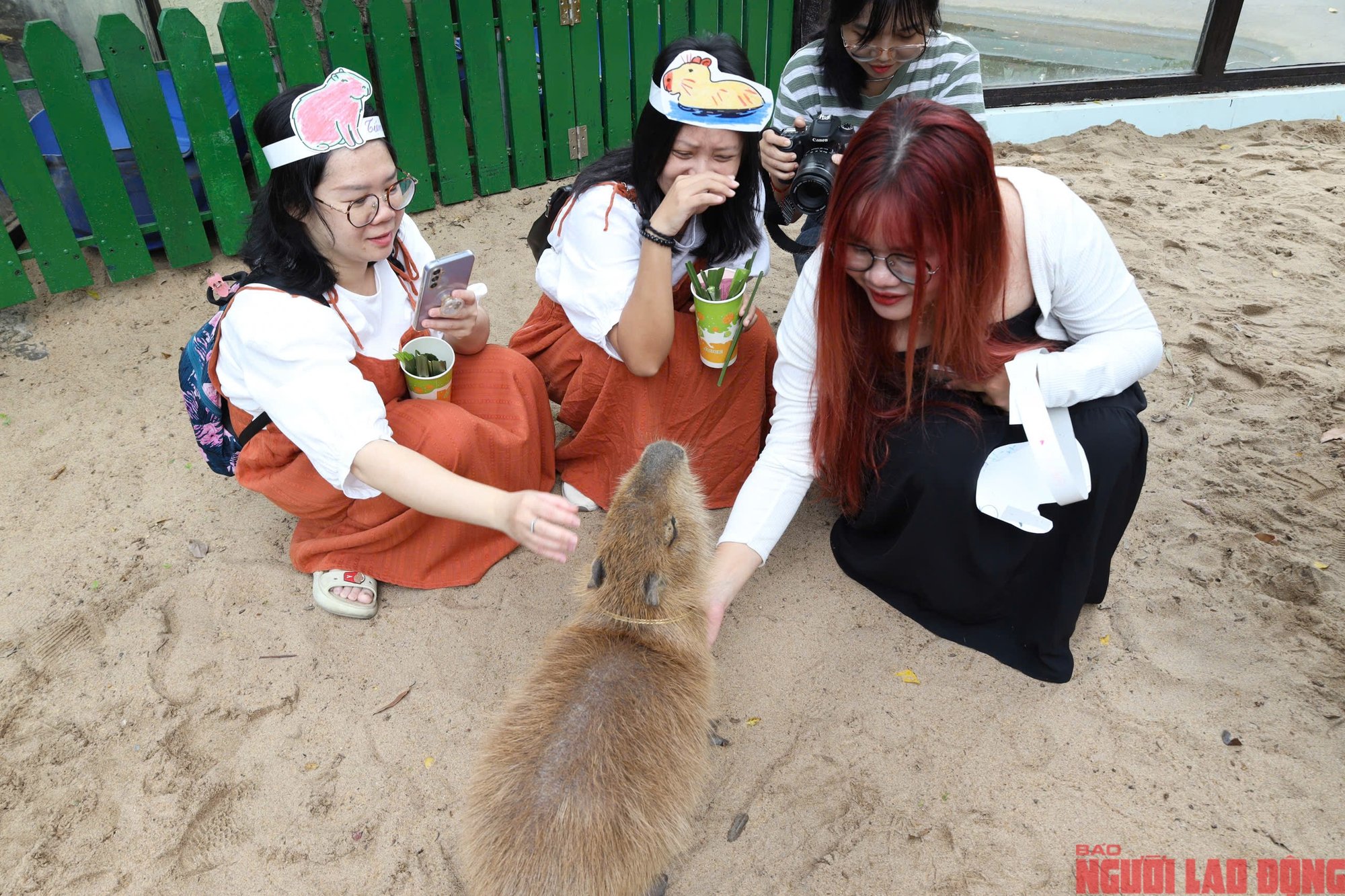
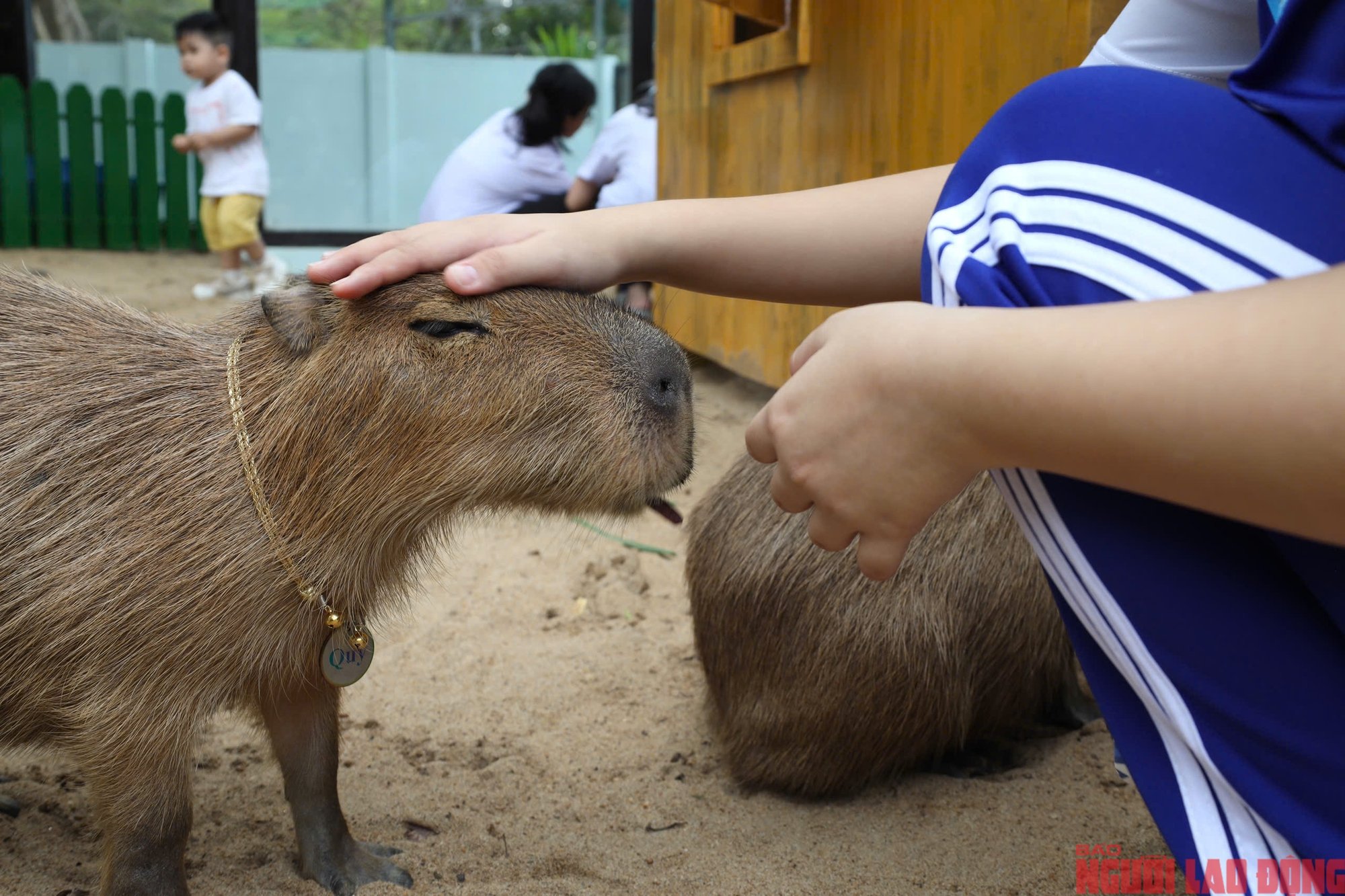
Capybaras at the zoo's diet consists mainly of leaves and grass, making up 95% of their diet. They eat very little starch and sweets.
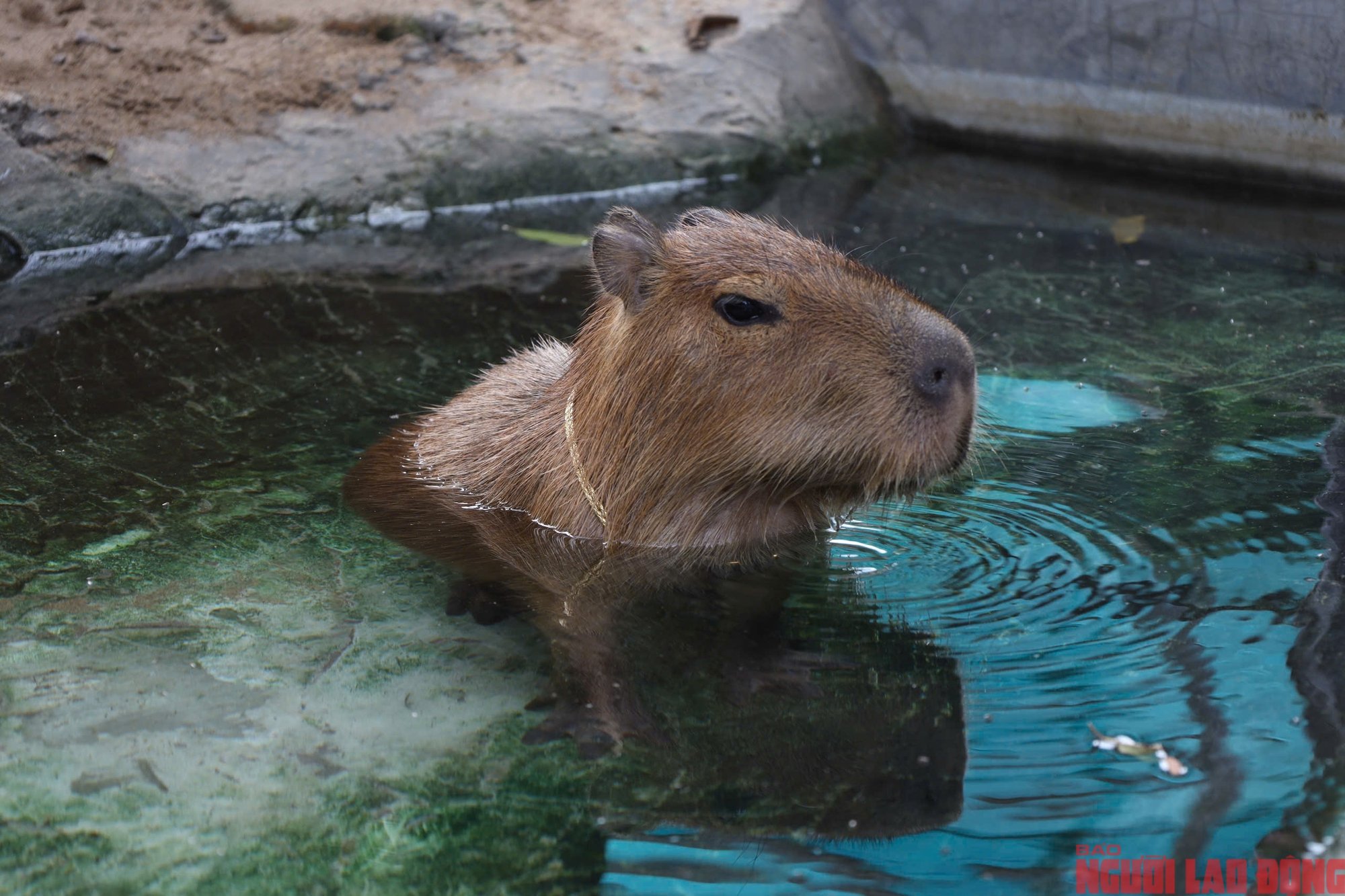
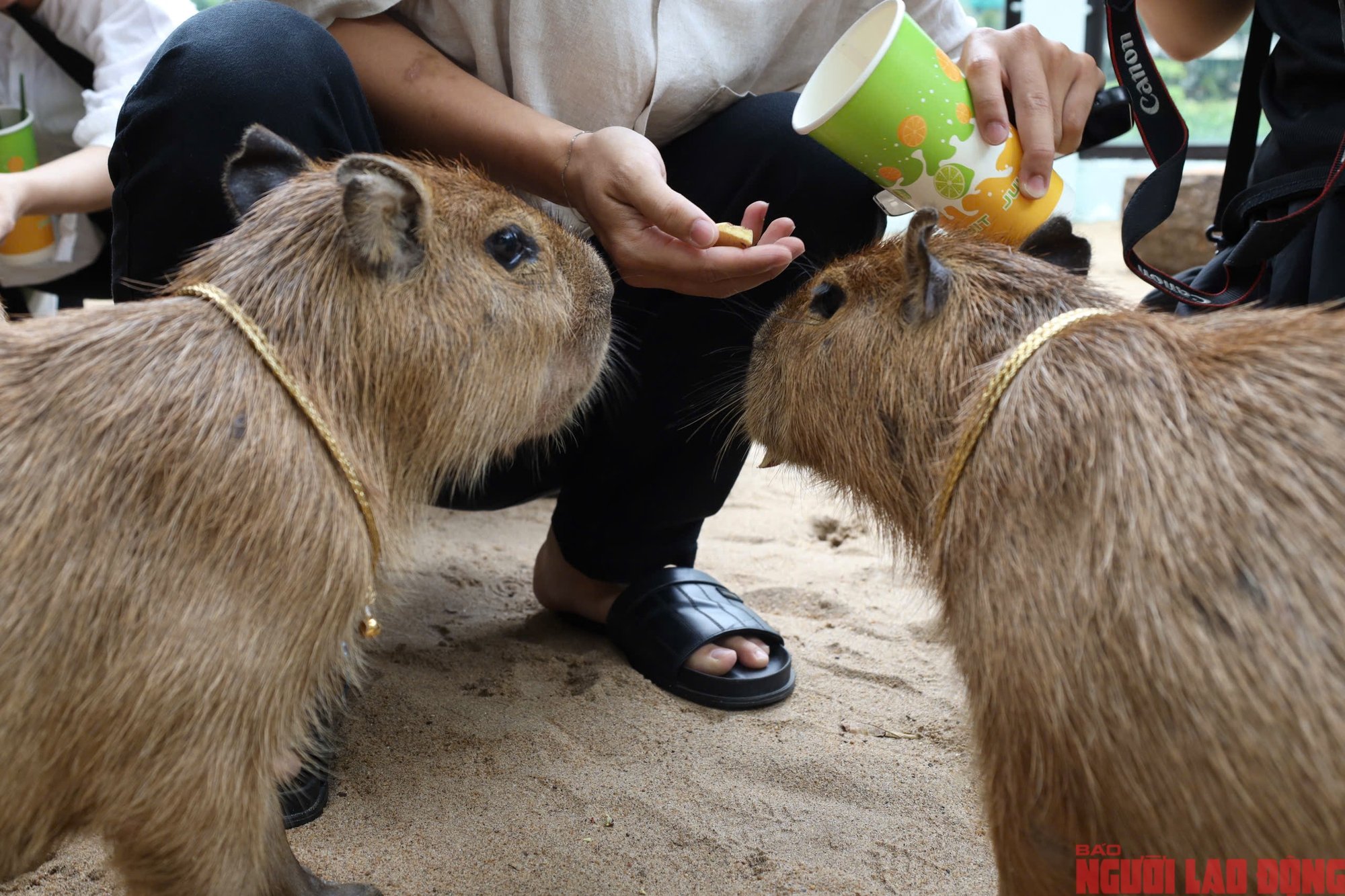
Capybara originates from humid tropical regions of South America, particularly in countries east of the Andes Mountains such as Colombia, Venezuela, Brazil, Argentina, and Uruguay.
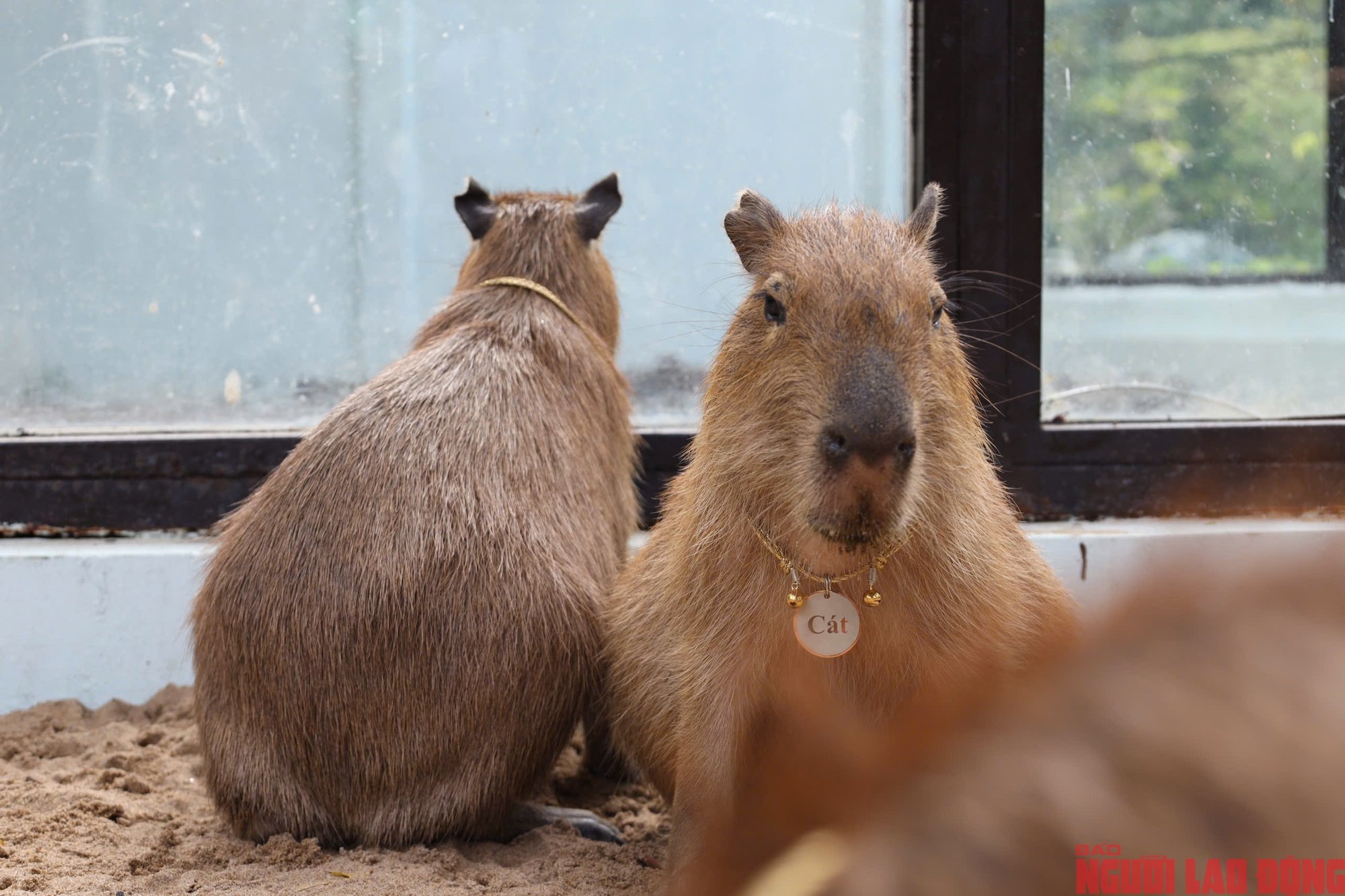
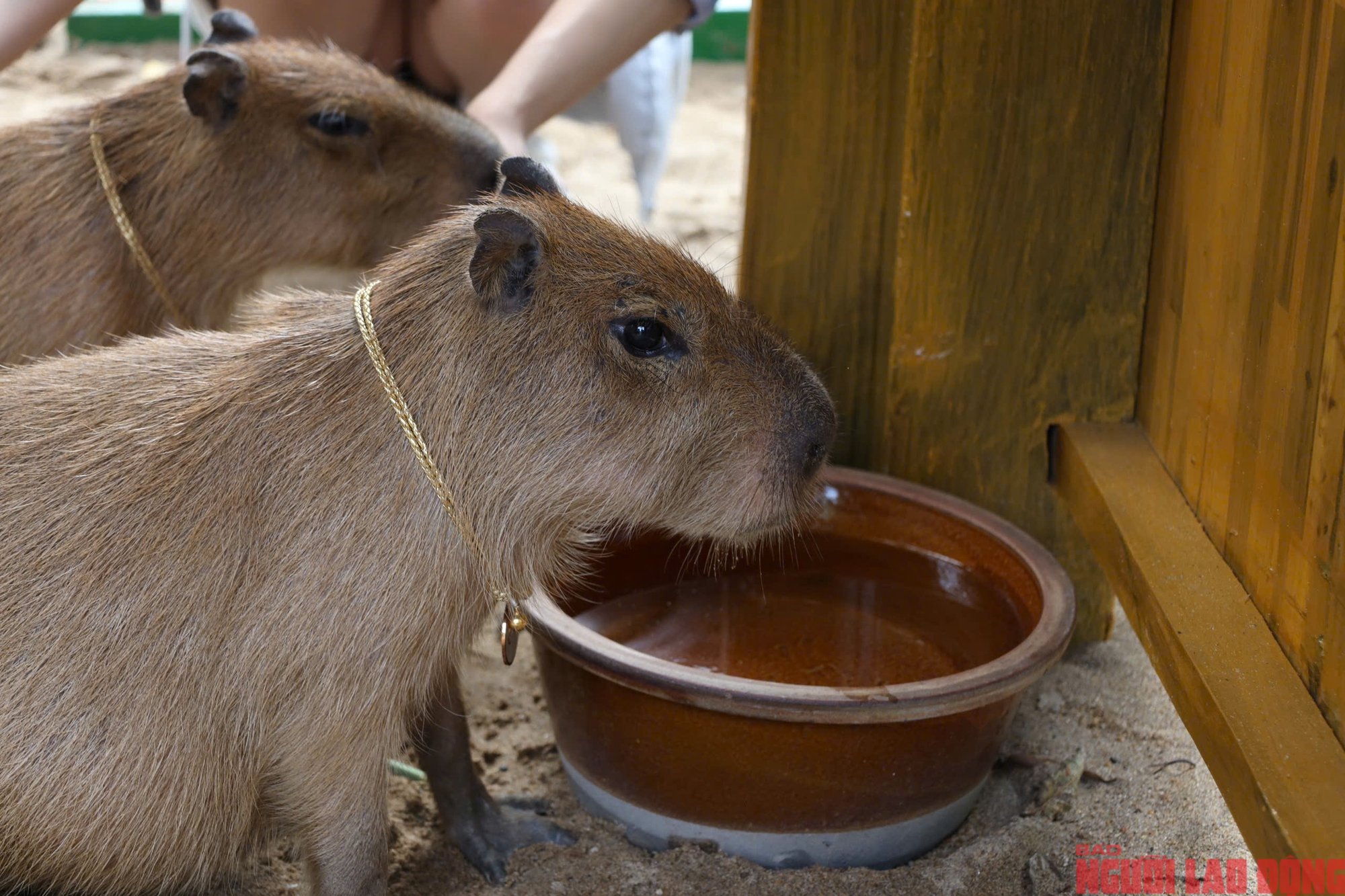
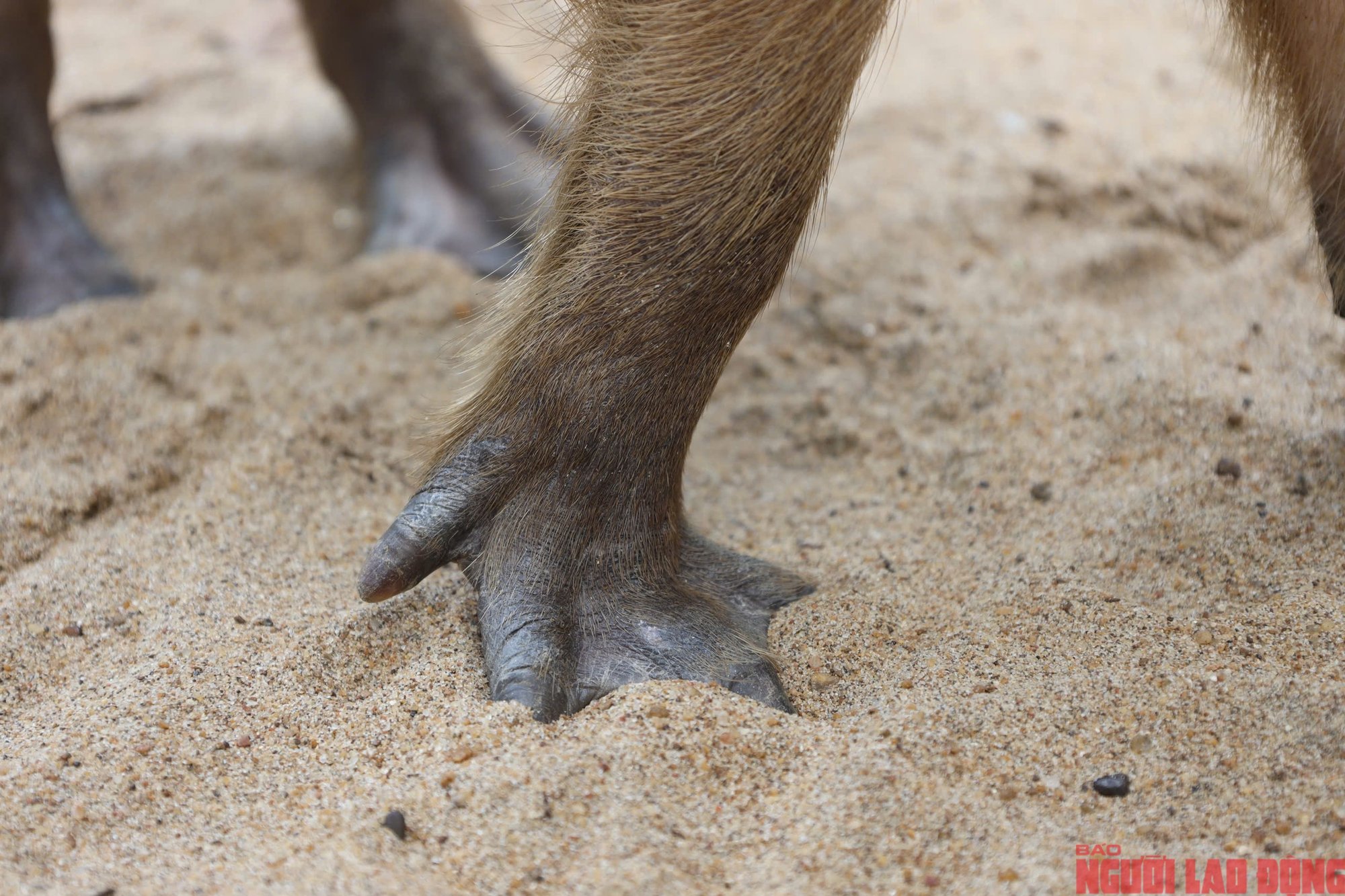
This species measures between 1.2m and 1.5m in length, weighs up to 75kg, and has an average lifespan of 10 years in a zoo environment.
Source: https://nld.com.vn/ngam-bo-truong-ngoai-giao-trong-gioi-dong-vat-tai-thao-cam-vien-sai-gon-196250103114458684.htm
![[Photo] The captivating scenery of the fragrant maple forest in Quang Tri](/_next/image?url=https%3A%2F%2Fvphoto.vietnam.vn%2Fthumb%2F1200x675%2Fvietnam%2Fresource%2FIMAGE%2F2025%2F12%2F10%2F1765353233198_lan09046-jpg.webp&w=3840&q=75)


![[Photo] Explore the US Navy's USS Robert Smalls warship](/_next/image?url=https%3A%2F%2Fvphoto.vietnam.vn%2Fthumb%2F1200x675%2Fvietnam%2Fresource%2FIMAGE%2F2025%2F12%2F10%2F1765341533272_11212121-8303-jpg.webp&w=3840&q=75)































![[Video] The craft of making Dong Ho folk paintings has been inscribed by UNESCO on the List of Crafts in Need of Urgent Safeguarding.](https://vphoto.vietnam.vn/thumb/402x226/vietnam/resource/IMAGE/2025/12/10/1765350246533_tranh-dong-ho-734-jpg.webp)



























































Comment (0)