

A reporter from the newspaper Tin Tuc va Dan Toc (News and Nation) had a discussion with Mr. Phung Xuan Khanh, Director of Tien Phong Travel Company and Head of the Foreign Relations and Promotion Committee of the UNESCO Hanoi Travel Club, on the above topic.
How do you assess the potential for developing community-based tourism in Vietnam, especially in mountainous provinces?
Many provinces have developed economic plans, with tourism development identified as a key focus. Currently, transportation in mountainous areas, including the northern mountainous region, is relatively convenient. Local provinces encourage people to rearrange their traditional residential areas into tourist accommodations, increasing income for local residents.

Some localities have done well in developing community-based tourism, with well-planned development and preservation of cultural identity. Tourism development has significantly increased people's income. For example, in Quynh Son village (Lang Son province), in 2018, when I went to advise the local authorities on community-based tourism development, the area was still very rudimentary. Many people were hesitant about whether tourism development was feasible, fearing they would invest but not recoup their costs.
Thanks to a period of support, Quynh Son village has now developed its tourism industry very well, attracting many international visitors. Recently, Quynh Son community tourism village was recognized by the World Tourism Organization as the "Best Tourism Village of 2025".
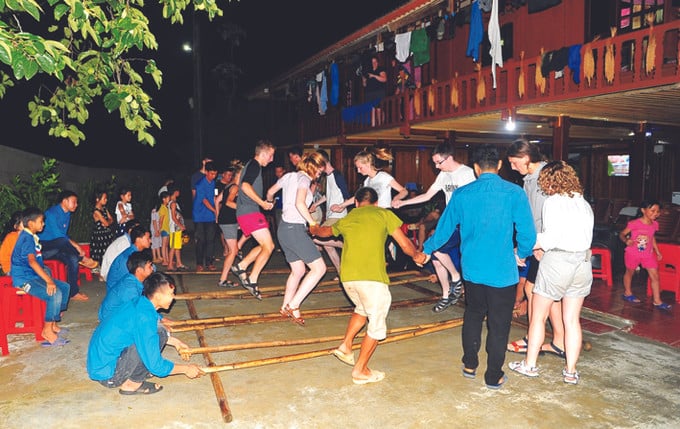
In villages in former districts such as Moc Chau, Quynh Nhai, Muong La (Son La), Tan Lac (Phu Tho)..., people have transformed traditional houses into places to welcome and serve tourists. As a result, the lives of the people have improved. This shows the potential for developing community-based tourism in Vietnam, especially in the northern mountainous region.
Firstly, this is due to convenient transportation, and secondly, it's because of the demand from tourists who want to visit and experience the local culture.
Thirdly, people are aware that tourism is a major source of income.
Based on your experience supporting local communities in developing community-based tourism, what are the challenges in the process of building community-based tourism destinations?
Localities developing community-based tourism need to preserve both tangible and intangible cultural identity. Firstly, regarding tangible culture, many localities have preserved the traditional houses and unique architecture of the ethnic communities. However, some places have built structures that are not in accordance with cultural identity, thus disrupting the overall landscape.
Regarding intangible cultural heritage, many places have not yet fully utilized their inherent strengths, such as unique folk songs and dances. Some places also use foreign music that is unsuitable for the village environment. This is a challenge that requires guidance to help people preserve their ethnic cultural identity.
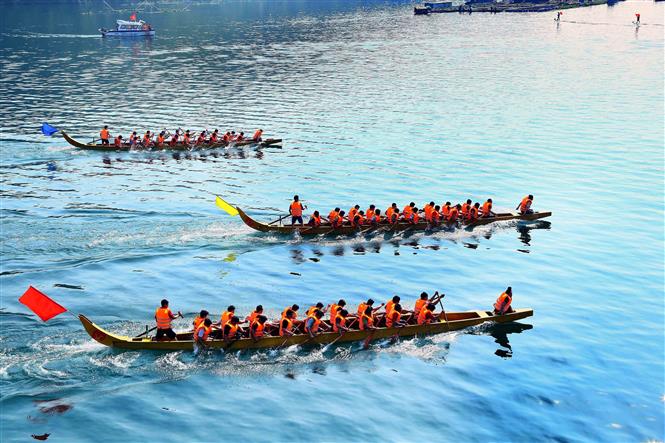
Another difficulty is the lack of facilities for tourists, especially accommodation. For example, a community center that accommodates a group of several dozen people may have very few restrooms and inadequate equipment, causing inconvenience for guests. Large groups having to wait will face significant complications.
Next is the issue of cuisine. Tourists often want to enjoy traditional food. Some places cater well to this, but others do not. The preparation and presentation are often not visually appealing. This requires improving the skills of the local people, especially those working in community-based tourism services.
Another issue is developing tourism in conjunction with the community so that local people benefit. However, in a market economy, many investors buy land to build tourism facilities. While this is normal according to the law of supply and demand, in the long run it can disrupt the overall structure of the locality. When investors buy land, costs increase, leading to higher service prices, and affecting the local people.
Sometimes investors construct buildings that don't reflect the local cultural identity, hindering the development of community tourism.
According to him, what kind of support does the government need to provide to motivate people to develop community-based tourism?
In my opinion, to develop community tourism, local authorities must have a clear plan to promote cultural identity.
The government needs to have training programs for the people, especially those involved in community-based tourism businesses, so that they understand the significance of developing the local tourism economy.
Next, vocational training in tourism is needed, covering areas such as housekeeping, table service, bar service, and kitchen operations. For local people, practical training through basic workshops is essential. For example, when welcoming tourists, they should be greeted warmly and friendly, similar to how some Muong ethnic villages welcome visitors with gongs and drums, showcasing their unique cultural identity and creating a joyful atmosphere.
Regarding housekeeping, it is necessary to arrange accommodations neatly, to suit local tastes, and to be adaptable while still preserving local cultural characteristics.
Local authorities also need to train residents in food preparation, presentation, and presentation to suit tourists' tastes; ensuring food safety; and aesthetic appeal.
Another issue is environmental hygiene. The tourist area needs to have the buffalo and cow sheds, which cause odors, relocated. The wastewater system must be clean and free from flies and mosquitoes that could affect the environment.
The authorities need to focus on planting seasonal fruit trees, vegetables, and flowers for tourists to enjoy and experience. In addition, raising livestock and poultry is important, both for preparing food for tourists and for tourists to buy as souvenirs.
These issues help local people develop community tourism. More importantly, it's about changing their perceptions so they understand that developing tourism improves their lives.
The government can support the local people in the initial stages. Once things are running smoothly and the people get used to the routine, the operation will be stable. Community-based tourism is essentially based on existing traditional lifestyles but adapted to the needs of tourists. People with good skills will provide good service; tourists with good experiences will spread the word themselves, attracting more visitors.
From a tourism business perspective, what support can travel agencies provide to local people involved in community-based tourism to foster mutually beneficial cooperation?
In this model, the local people remain the direct beneficiaries. Visitors will use the services provided by the local people.
Firstly, tourism businesses can collaborate with local communities to invest in community-based tourism areas. For example, if the local people have houses and facilities, the business can provide additional investment capital such as blankets, curtains, sheets, pillows, etc., while also training them in skills to serve tourists.
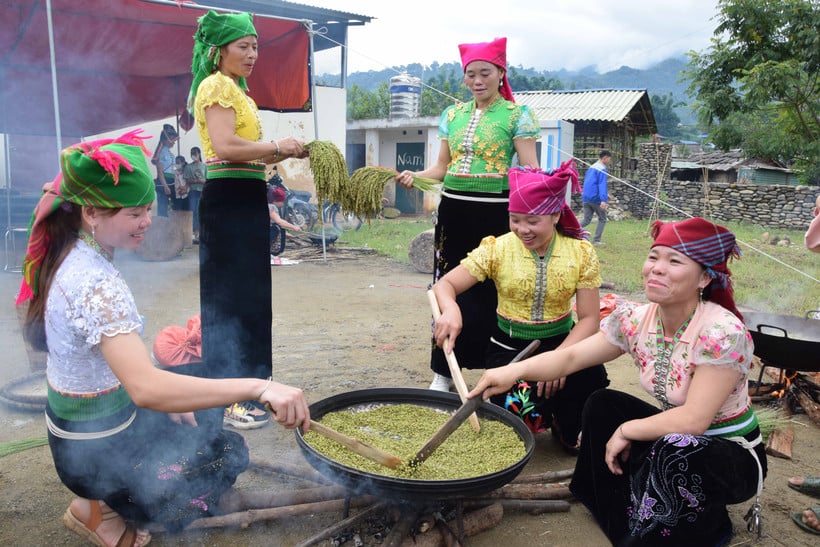
Secondly, there's culinary consulting. Businesses have experience in decorating and creating suitable menus; however, ensuring the quality of the dishes requires specialized training.
Thirdly, guide people to use social media tools to post images of culture, festivals, daily life, natural beauty, and human creations in order to spread information to more domestic and foreign tourists.
Travel agencies and local people can petition the government to develop transportation infrastructure, a crucial element of community tourism. Many villages are beautiful but have difficult access, preventing tour buses from entering or providing turning spaces. Improved transportation will stimulate tourism demand.
Travel businesses are also stepping up efforts to promote cultural identity and tourism potential to domestic and international tourists. In recent years, many international visitors have shown interest in community-based tourism to experience local culture. They are aware of the shortcomings in these villages but still accept them in order to experience the authentic local culture.
Thank you very much!
Source: https://baotintuc.vn/du-lich/nguoi-dan-huong-loi-ban-sac-van-hoa-duoc-bao-ton-khi-lam-du-lich-cong-dong-ben-vung-20251208151942596.htm




![[Photo] Explore the US Navy's USS Robert Smalls warship](/_next/image?url=https%3A%2F%2Fvphoto.vietnam.vn%2Fthumb%2F1200x675%2Fvietnam%2Fresource%2FIMAGE%2F2025%2F12%2F10%2F1765341533272_11212121-8303-jpg.webp&w=3840&q=75)






















![[Video] The craft of making Dong Ho folk paintings has been inscribed by UNESCO on the List of Crafts in Need of Urgent Safeguarding.](https://vphoto.vietnam.vn/thumb/402x226/vietnam/resource/IMAGE/2025/12/10/1765350246533_tranh-dong-ho-734-jpg.webp)























































Comment (0)