

Through systematic approaches and by leveraging the role of mass organizations, the locality is gradually improving the income and living standards of its people.
Policy credit - a lever for livelihood models
As a predominantly agricultural commune, the lives of the people of Phuc Son previously depended mainly on small-scale farming and livestock raising, with income heavily dependent on weather, diseases, and market fluctuations. In this context, poverty reduction efforts at times focused heavily on short-term support, failing to create a sustainable livelihood foundation. In recent years, in line with the city's overall direction, Phuc Son has gradually shifted its approach to poverty reduction towards a long-term strategy, prioritizing livelihood development, job creation, and income improvement as overarching goals.
One of the key factors contributing to this transformation is the effective use of policy credit funds. Instead of being spread thinly, the funds are concentrated on models suitable to the actual conditions of each village and household, with guidance and supervision from relevant organizations. As a result, people not only have access to capital but also know how to use it for the right purposes, minimizing risks in production.
On cold, rainy weekends, the atmosphere of work in Phuc Son remains constant in livestock farms, ponds, and small workshops nestled within residential areas. These everyday scenes clearly reflect a shift in the business mindset of the people, from a wait-and-see approach to proactively investing and expanding production with the "leverage" of policy-based capital.
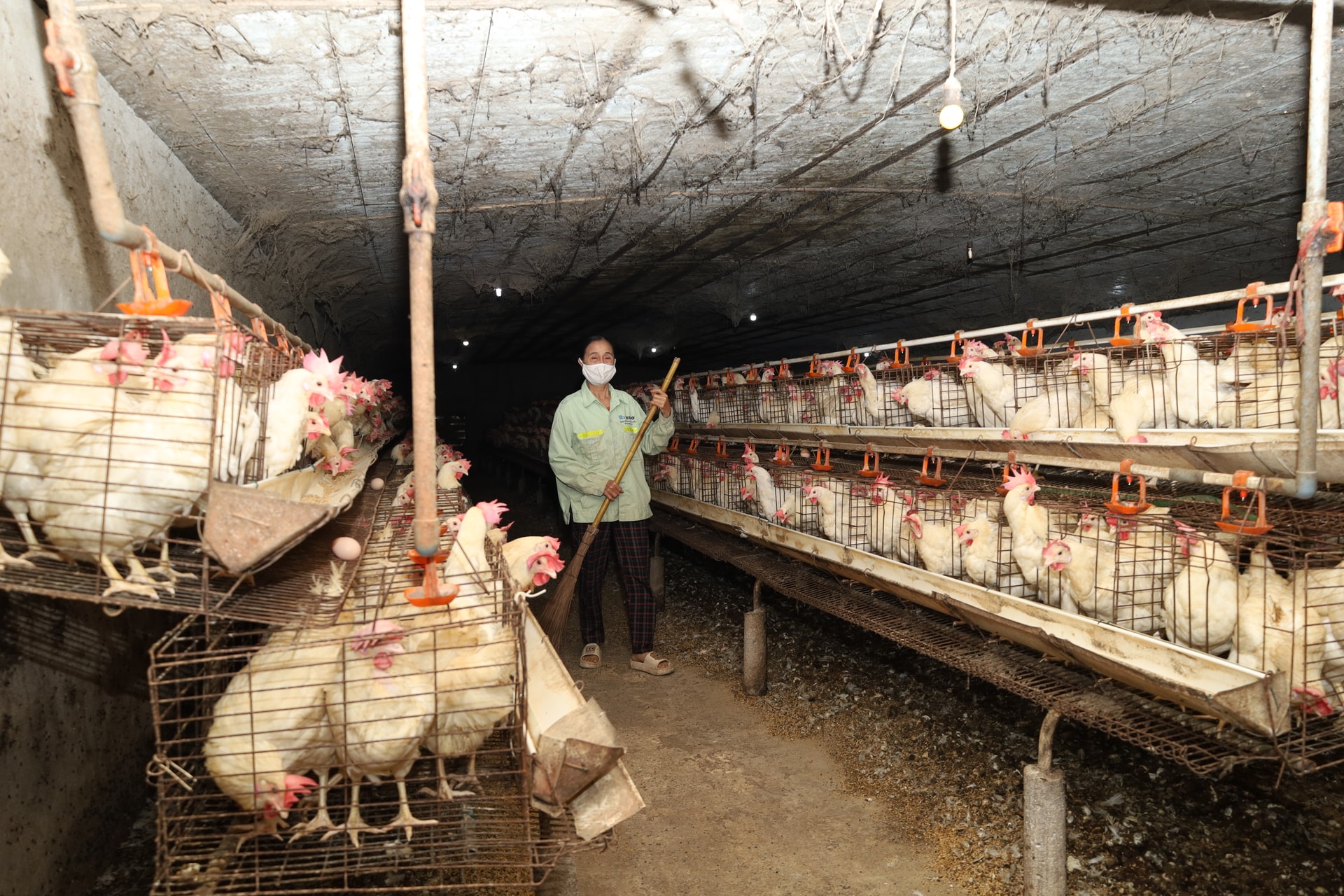
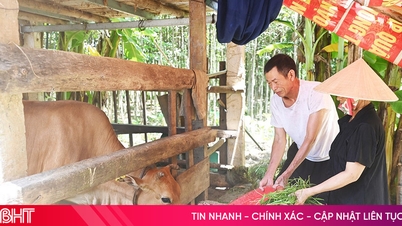
In Kham Lam village, the egg-laying chicken farming model of Ms. Khuat Thi La, 66 years old, is one of the typical examples. Starting in 2015, her family went through many experimental stages with different types of livestock such as ducks and quail before switching to industrial-scale egg-laying chicken farming. This model requires significant investment capital, strict technical procedures, and high input costs, especially for breeding stock, feed, and vaccines.
Currently, Mrs. Là's family maintains approximately 6,000 laying hens, divided into two coops, each about 200m² in size. The main laborers are just the husband and wife, who start work at 4:30 AM every day to feed the chickens, check the coops, collect eggs, and clean the breeding area. There are times when egg prices drop while feed costs increase, causing the family to lose several million dong each day, putting immense pressure on maintaining the flock.
Sharing her experience with preferential loans, Ms. Là said concisely but very practically: "Without the capital from the Policy Bank, it would be very difficult to survive. With capital, we can proactively buy feed and breeding stock at the right time, without having to buy on credit, saving costs while still maintaining the flock." Thanks to using the capital for the right purpose, combined with years of accumulated farming experience, her family's egg-laying chicken model gradually stabilized, bringing in an average income of about 12 million VND per month for two workers. Not only did she escape poverty, but her family also became well-off, becoming a role model for many other livestock farmers in the village.
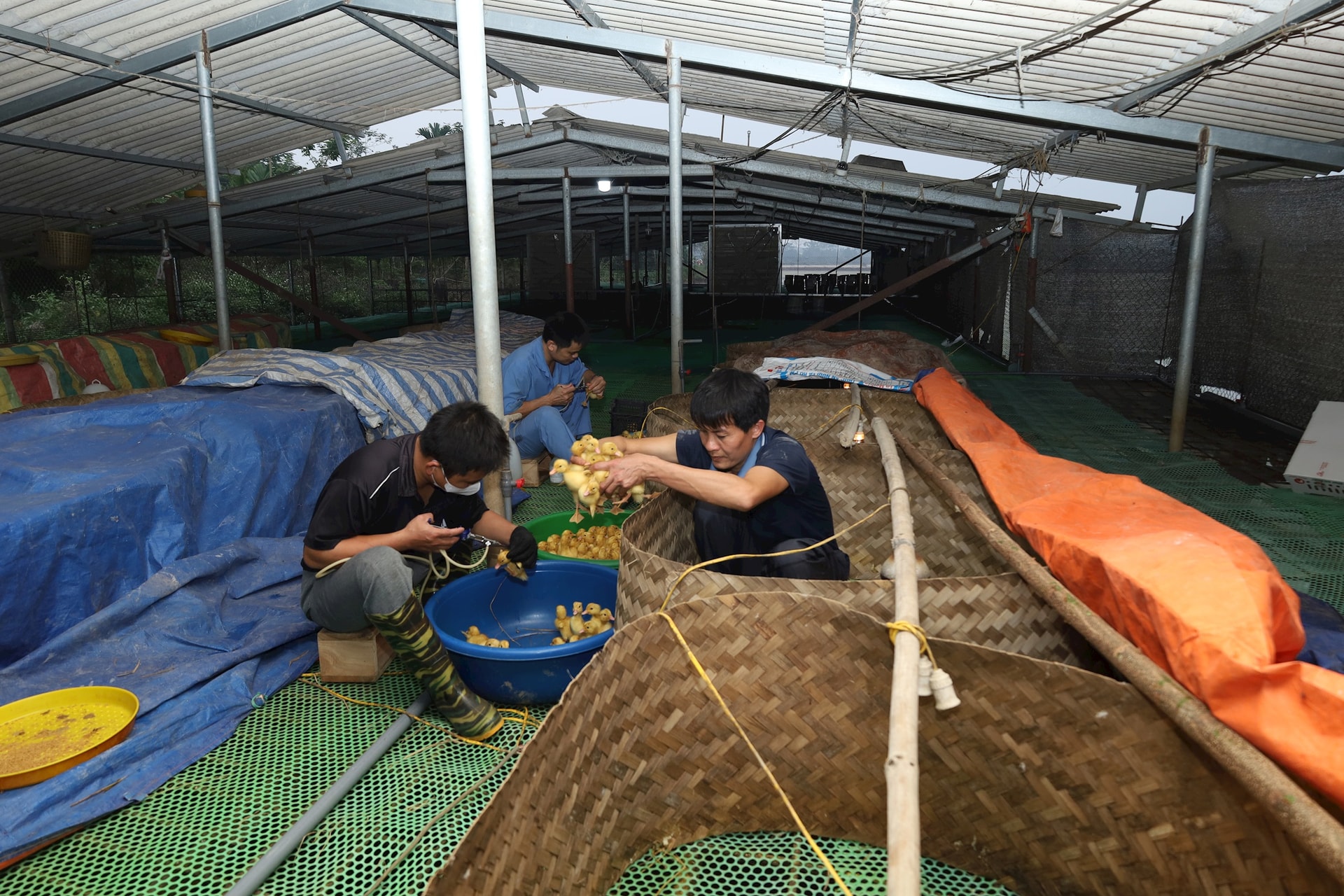
Also funded by policy credit, in Tre village, Mr. Dinh Van Toan's model of fish farming combined with duck raising demonstrates a suitable approach to the local natural conditions. On an area of over 12 acres of ponds, Mr. Toan utilizes the water surface for fish farming, combined with raising ducks on the shore to reduce feed costs and increase production efficiency. According to Mr. Toan, raising fish fry and mature fish requires significant investment, especially in the initial stages when it's necessary to purchase quality fingerlings and specialized feed.
“Although the preferential loan is not large compared to the total investment capital, it is very important. With policy capital, we dare to invest more systematically, buying fingerlings and feed and paying immediately, which is cheaper, more efficient, and reduces risks significantly,” Mr. Toan shared. Thanks to this approach, revenue from fingerlings reaches several hundred million dong each year, and revenue from mature fish in favorable years can exceed one billion dong, contributing to increasing family income and creating seasonal jobs for local laborers.
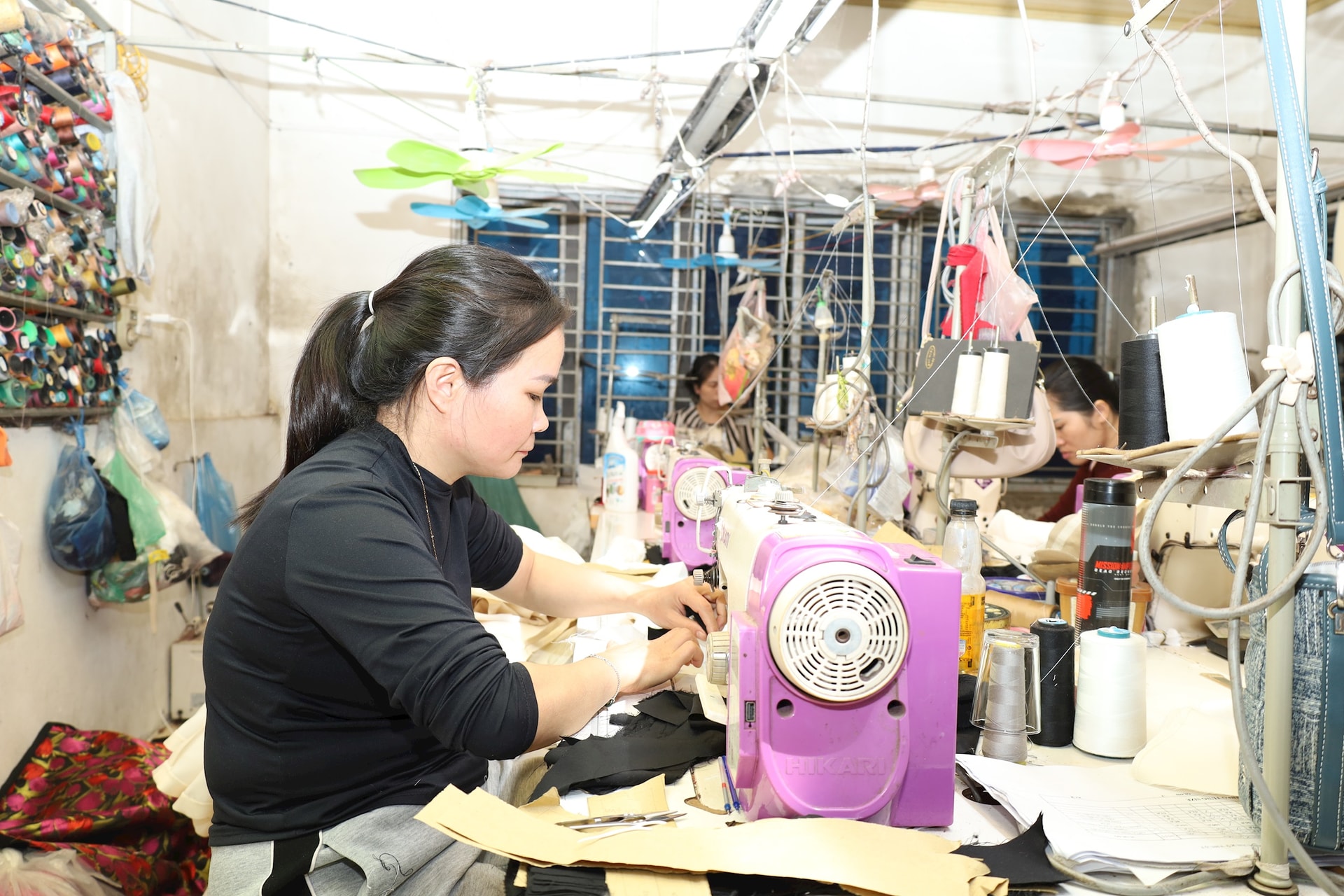
Besides livestock farming, Phuc Son is also gradually diversifying its livelihoods, developing non- agricultural production and business models. In Thuong village, Ms. Bach Thi Nga's home-based garment processing workshop currently provides regular employment for 10 female workers, with an income of 8-10 million VND per person per month. Although still small in scale, this model has contributed to solving the unemployment problem for rural women, especially those who do not have the means to work far from home.
According to Ms. Nga, "women in rural areas feel more secure if they have local jobs, as they can both earn an income and provide for their families." However, for the model to develop sustainably, further support in terms of land, capital, and suitable production conditions is still needed. If these difficulties are overcome, the garment factory can completely expand its scale, create more jobs, and contribute to diversifying livelihoods in the locality.
A notable aspect of Phuc Son's approach is the flexible use of local resources. In Kham Lam village, the Women's Association, headed by Ms. Du Thi Phuong, manages two sources of funding simultaneously: entrusted funds from the Social Policy Bank and self-mobilized funds of the Association. The fund, formed from the small savings of its members, is not large but very practical, supporting disadvantaged households with short-term revolving loans to maintain production during difficult times.
Making real progress in sustainable poverty reduction.
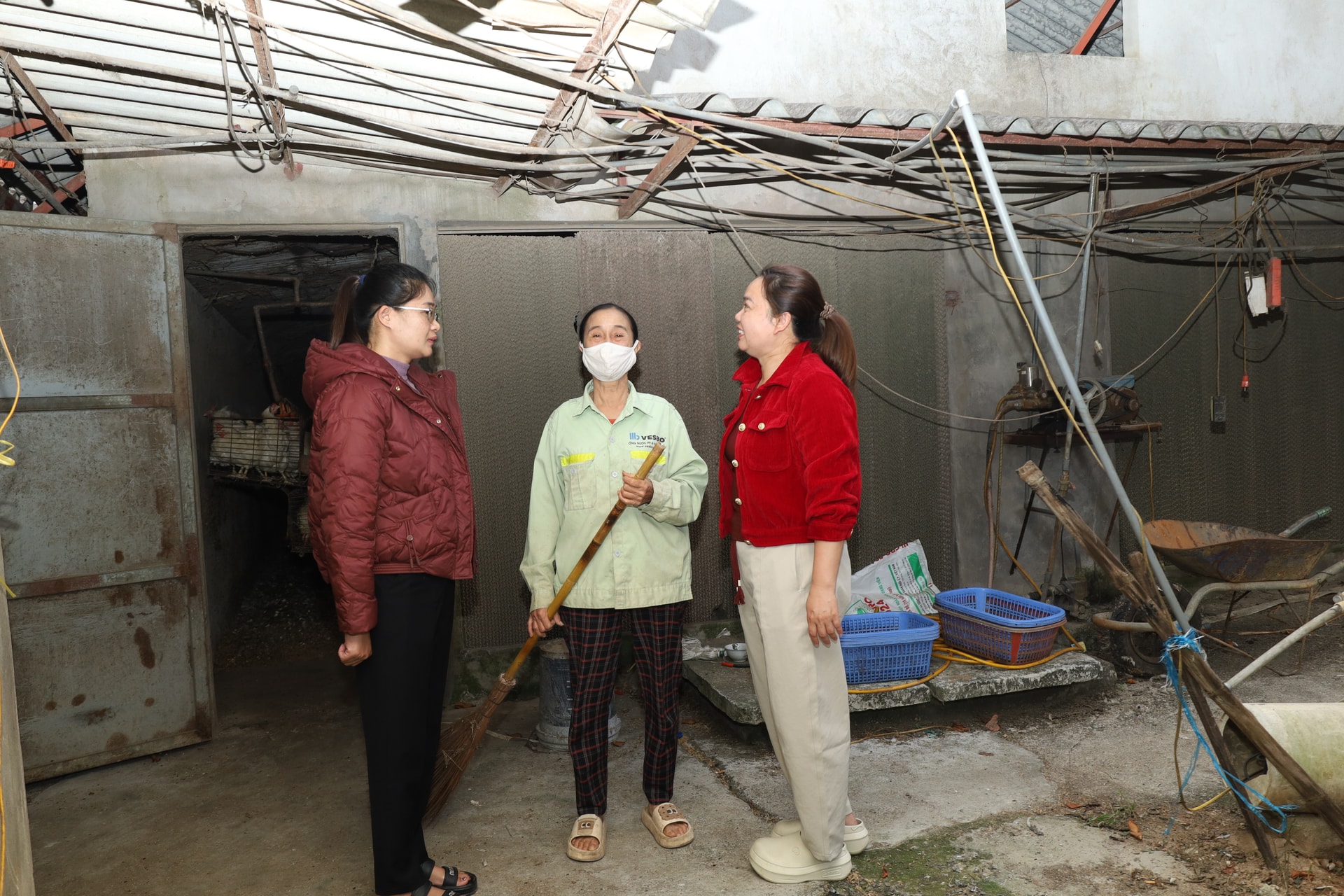
From the specific models at the grassroots level, it can be seen that poverty reduction efforts in Phuc Son have undergone a significant transformation, shifting from short-term support to sustainable livelihood development, linked to enhancing the self-reliance of the people. A crucial contribution to this result is the supportive role of the Women's Union in the commune in managing capital, guiding production, and supporting its members.
Ms. Nguyen Thi Thanh Hoa, Chairwoman of the Women's Union of Phuc Son commune, said that the Union clearly defines its mission not only as guaranteeing loans but also as closely monitoring the use of capital by its members. "Poverty reduction must be linked to livelihoods. If we only provide loans without guidance or support, the results will not be sustainable," Ms. Hoa emphasized.
According to the Chairwoman of the Women's Union of the commune, the Union currently manages 34 savings and loan groups of the Social Policy Bank with outstanding loans exceeding 83 billion VND, involving more than 1,200 borrowing households, with no overdue debts. Simultaneously, the branches effectively maintain self-managed savings funds, providing timely support to members in difficult circumstances, single mothers, elderly people living alone, and orphaned children.
“The biggest result is not just the number of households escaping poverty, but also the fact that many members have become well-off, have stable incomes, and confidently manage their family finances ,” shared Ms. Nguyen Thi Thanh Hoa. According to her, in the coming period, the Women's Union of the commune will continue to coordinate with relevant agencies to maintain and expand policy credit sources, replicate successful women-led economic models, and strengthen training, technology transfer, and support members in accessing online business.
Phuc Son's goal is not only sustainable poverty reduction but also improving the quality of life for its people, so that each livelihood model truly becomes a foundation for long-term development. "When livelihoods are nurtured at the grassroots level, people will be more confident and proactive, and that is the most solid foundation for sustainable development in Phuc Son," affirmed the Chairwoman of the Women's Union of Phuc Son commune.
Source: https://hanoimoi.vn/nuoi-lon-sinh-ke-giam-ngheo-ben-vung-o-phuc-son-726778.html




![[Image] Vietnam's colorful journey of innovation](/_next/image?url=https%3A%2F%2Fvphoto.vietnam.vn%2Fthumb%2F1200x675%2Fvietnam%2Fresource%2FIMAGE%2F2025%2F12%2F14%2F1765703036409_image-1.jpeg&w=3840&q=75)





















































![[Image] Vietnam's colorful journey of innovation](https://vphoto.vietnam.vn/thumb/402x226/vietnam/resource/IMAGE/2025/12/14/1765703036409_image-1.jpeg)























Comment (0)