

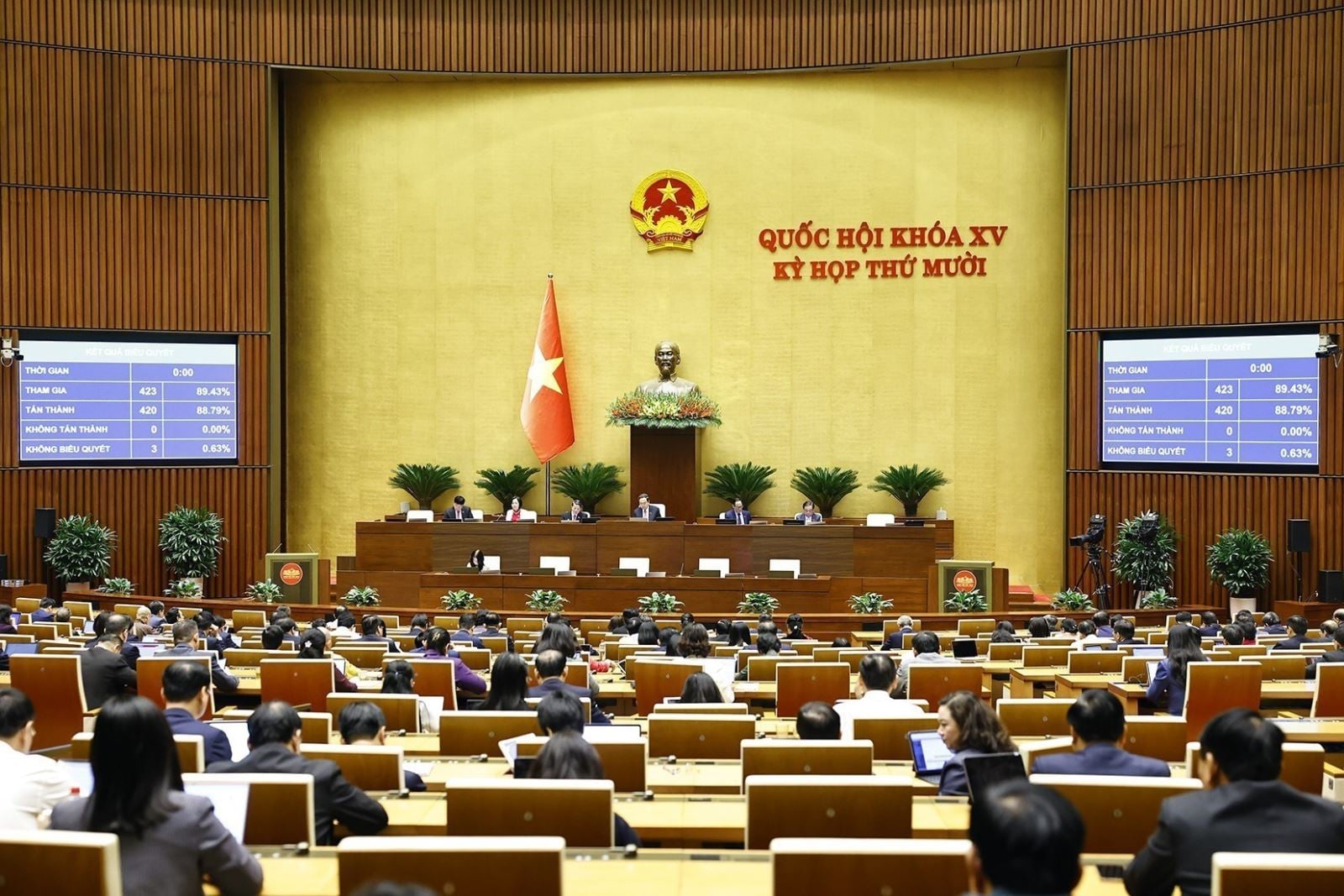
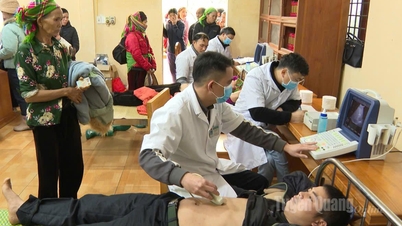
The overall goal of the program is to ensure that all citizens receive primary healthcare management and care, early and remote disease prevention at the grassroots level, and disease reduction; to increase the birth rate, strive to achieve a natural balance in the sex ratio at birth, adapt to population aging, and improve the quality of the population; to strengthen care for vulnerable groups; and to contribute to improving the physical and mental health, stature, life expectancy, and quality of life of the people, building a healthy Vietnam.
Regarding specific objectives, the program contributes to achieving the target of 90% of communes, wards, and special zones meeting the National Criteria for Commune Health by 2030 and 95% by 2035. It also aims for 100% of the population to have electronic health records and lifecycle health management by 2030. Furthermore, it aims for 100% of provincial and city Centers for Disease Control (CDC) to have the capacity to test for pathogens, antigens, and antibodies of dangerous infectious diseases, as well as for clean water quality and school hygiene according to the regulations of the Ministry of Health by 2030.
The target is for 100% of commune, ward, and special zone health stations nationwide to implement prevention, management, and treatment of certain non-communicable diseases according to the Ministry of Health's guidelines by 2030 and maintain this rate until 2035. The rate of stunting among children under 5 years old will decrease to below 15% by 2030 and to below 13% by 2035. The crude birth rate will increase by 0.5‰ by 2030 compared to 2025 and by 0.5‰ by 2035 compared to 2030. The sex ratio at birth will decrease to below 109 boys per 100 live births by 2030 and to below 107 boys per 100 live births by 2035.
The rate of couples receiving pre-marital counseling and health check-ups will reach 90% by 2030 and 95% by 2035; 70% of pregnant women will be screened for at least four of the most common congenital diseases by 2030 and 90% by 2035; 90% of newborns will be screened for at least five of the most common congenital diseases by 2030 and 95% by 2035. The number of vulnerable people accessing and utilizing services at social care facilities will increase by 70% by 2030 compared to 2025 and by 90% by 2035 compared to 2030.
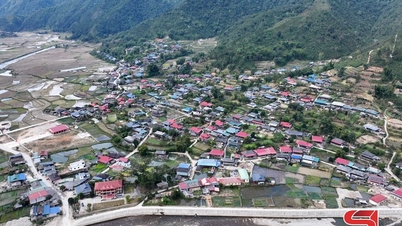
Regarding the beneficiaries of the Program, priority is given to those in areas with difficult socio-economic conditions, areas with particularly difficult socio-economic conditions, mountainous areas, border areas, and islands; people with meritorious contributions to the revolution, the elderly, mothers, children, couples and individuals of childbearing age, people with disabilities, migrants, workers in industrial zones, and other priority groups as stipulated by the Government.
Provinces and cities nationwide should prioritize areas with difficult socio-economic conditions, areas with particularly difficult socio-economic conditions, and areas excluding mountainous, border, and island regions.
The program will be implemented from 2026 to the end of 2035. The total capital for the 2026-2030 period is 88,635 billion VND, including 68,000 billion VND from the central government budget, 20,041 billion VND from local government budgets, and an estimated 594 billion VND from other sources.
Based on the results of the Program's implementation during the 2026-2030 period, the Government will submit to the National Assembly a proposal for the resources to implement the Program during the 2031-2035 period.
Regarding the mechanisms and solutions for implementing the Program: Issuing guiding documents, mechanisms, and policies on management and technical expertise to ensure the full and timely implementation of the Program's activities. Implementing comprehensive solutions to mobilize resources, allocating sufficient and timely central and local government budget funds; maximizing the mobilization of other legitimate sources of funding; and ensuring sufficient human resources to participate in the Program's implementation.
Specifically, the Program's resources will be focused on addressing the following key issues: Enhancing the capacity of the primary healthcare network, investing in infrastructure and equipment; training specialist doctors; innovating operations and service delivery; and applying information technology in comprehensive health management, monitoring, and counseling. Improving the effectiveness of disease prevention and health promotion: Investing in equipment; proactively preventing and controlling dangerous infectious diseases; preventing and controlling non-communicable diseases, common illnesses among school-aged children, and ensuring proper nutrition. Promoting an increase in the birth rate, bringing the sex ratio at birth back to a natural balance, improving the quality of the population, adapting to population aging, and strengthening healthcare for the elderly. Improving the quality of social care for vulnerable groups; and community-based rehabilitation. Enhancing the effectiveness of health and population communication and education.
The management and implementation of the Program shall comply with the provisions of the law on the management and implementation mechanisms of national target programs, public investment, state budget, and related laws.
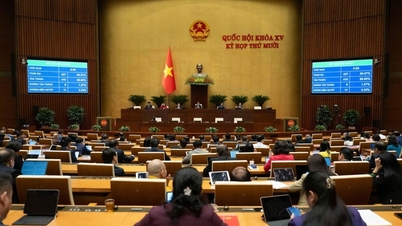
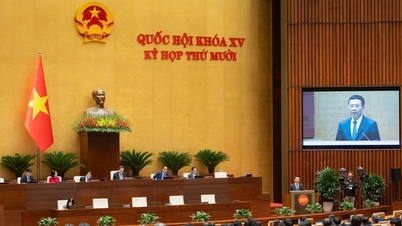
Regarding the specific mechanisms and policies for implementing the Program, the National Assembly decides on the allocation of central government budget expenditures; the Prime Minister assigns the budget estimates and plans to ministries, central agencies, and localities according to the total capital of the Program, detailing investment expenditures and recurrent expenditures.
The Provincial People's Council decides or delegates to the Commune People's Council the decision to allocate detailed budget allocations for specific content, activities, expenditure areas, component projects, and public investment project lists of the Program, based on the State budget allocation norms decided by the Provincial People's Council.
Ministries, central agencies, People's Committees at all levels, and state budget-using units at all levels shall decide on the adjustment of funds and capital (including expenditures allocated in the annual budget and expenditures carried over from the previous year as prescribed) from contents and activities whose expenditure tasks have been completed to implement other contents and activities under the Program, ensuring that the total amount does not exceed the allocated limit and does not change the structure of investment and recurrent expenditures already assigned by competent authorities.
The draft Resolution of the National Assembly assigns the Prime Minister the authority to prescribe the principles, criteria, and allocation norms for central government budget to implement the Program.
Source: https://baotintuc.vn/thoi-su/quoc-hoi-bieu-quyet-ve-chu-truong-dau-tu-chuong-trinh-muc-tieu-quoc-gia-cham-soc-suc-khoe-dan-so-va-phat-trien-20251211103834095.htm























































































Comment (0)