

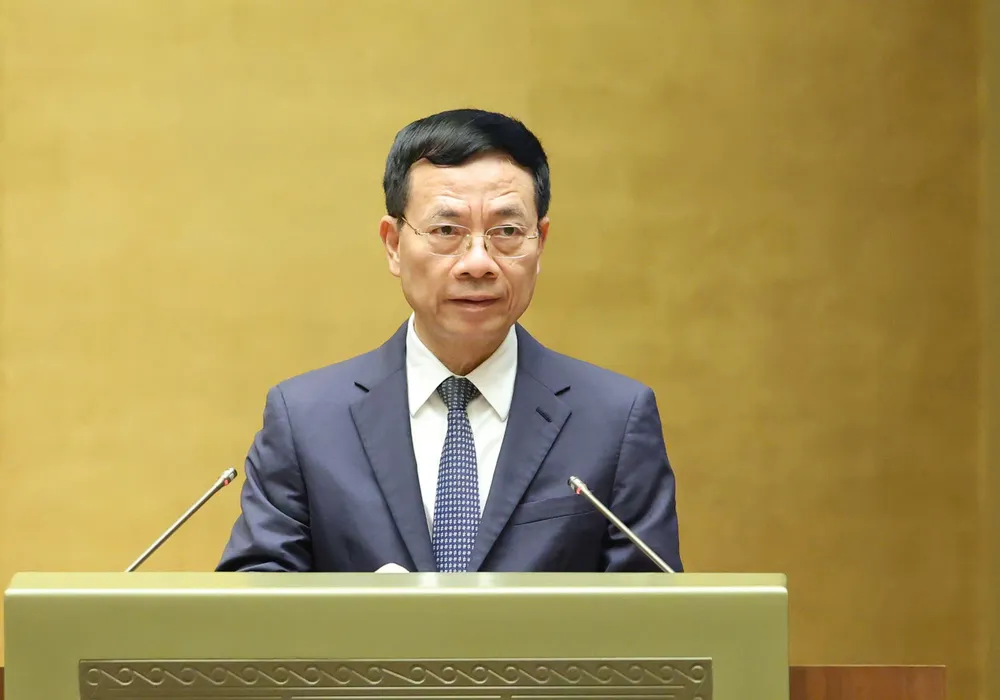
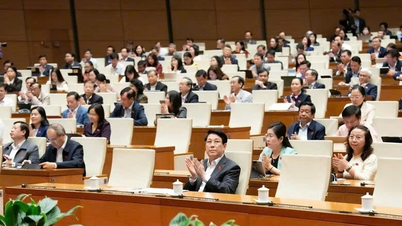
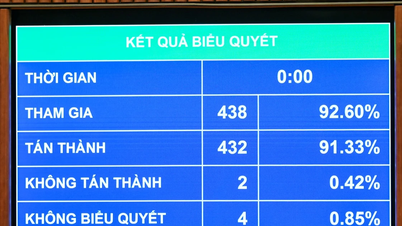
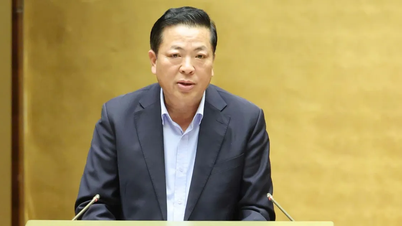
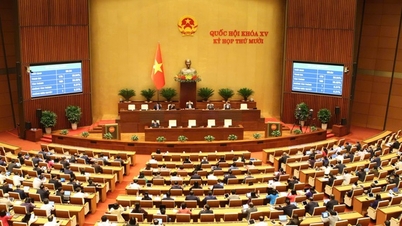
Previously, in the report explaining and incorporating feedback on the draft law before its approval by the National Assembly , Minister of Science and Technology Nguyen Manh Hung emphasized that the draft AI Law is a framework law, aiming to create a specialized, unified legal framework focusing on risk management and ethics, avoiding the risk of Vietnam becoming a "testing ground" for harmful technologies.
According to the Minister of Science and Technology, the draft law applies a management model based on three levels of risk (high, medium, low) to ensure clarity and feasibility.
In particular, Article 7 of the bill specifically stipulates prohibited acts, creating a solid legal basis to prevent the misuse of AI from the outset, including: exploiting the weaknesses of vulnerable groups (children, the elderly, people with disabilities); using fake elements to deceive or manipulate perceptions causing serious harm; creating or disseminating fake content (deepfakes) that could seriously endanger national security, public order, and social safety.
The law also mandates easily recognizable labels for audio, visual, and video content that simulates or mimics the appearance and voice of real people (deepfake) to distinguish it from real content. AI-generated content must also be marked in a machine-readable format to enhance traceability.
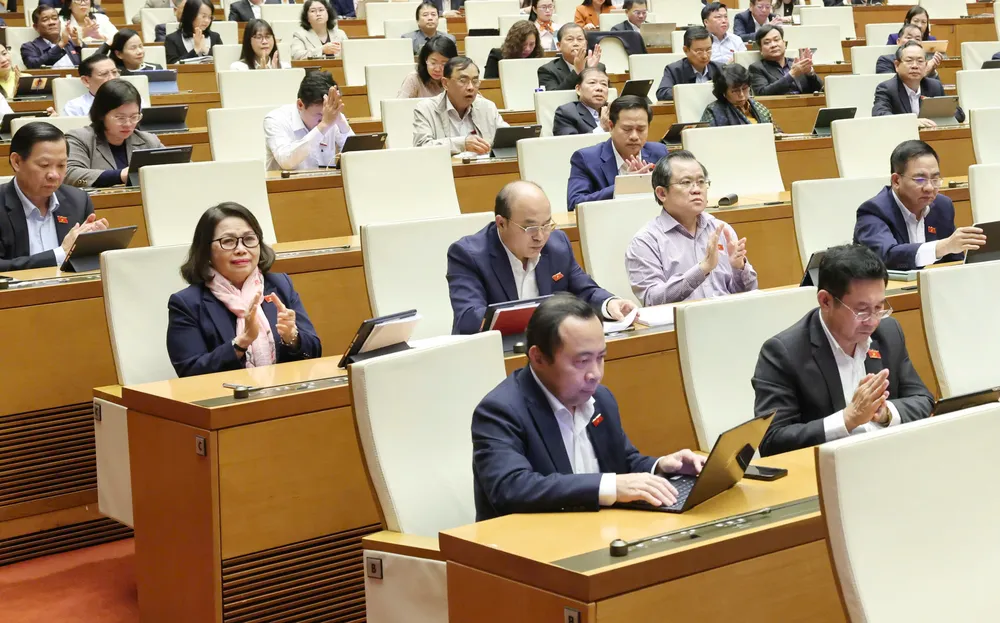
Furthermore, to encourage the development and ensure national AI sovereignty , the law affirms that AI activities enjoy the highest level of incentives and support (including tax, investment, and financial incentives) to encourage innovation and the development of the AI market. Along with this, it allows for the temporary exemption, reduction, or adjustment of certain compliance obligations under this law and "certain requirements of specialized laws" (except for regulations on human rights and national security), creating a safe environment for innovation.
The State prioritizes the development of the Vietnamese and ethnic minority language major language models, Vietnamese knowledge processing technology, and other core technologies to ensure digital sovereignty and national security.
To avoid impacting citizens and public services, AI systems already operating in complex sectors such as healthcare, education, and finance will have their compliance deadlines extended to 18 months from the effective date of the law.
Source: https://www.sggp.org.vn/quy-dinh-cu-the-cac-hanh-vi-bi-nghiem-cam-de-ngan-chan-lam-dung-tri-tue-nhan-tao-post827929.html


![[Photo] Explore the US Navy's USS Robert Smalls warship](/_next/image?url=https%3A%2F%2Fvphoto.vietnam.vn%2Fthumb%2F1200x675%2Fvietnam%2Fresource%2FIMAGE%2F2025%2F12%2F10%2F1765341533272_11212121-8303-jpg.webp&w=3840&q=75)




























![[Video] The craft of making Dong Ho folk paintings has been inscribed by UNESCO on the List of Crafts in Need of Urgent Safeguarding.](https://vphoto.vietnam.vn/thumb/402x226/vietnam/resource/IMAGE/2025/12/10/1765350246533_tranh-dong-ho-734-jpg.webp)































































Comment (0)