

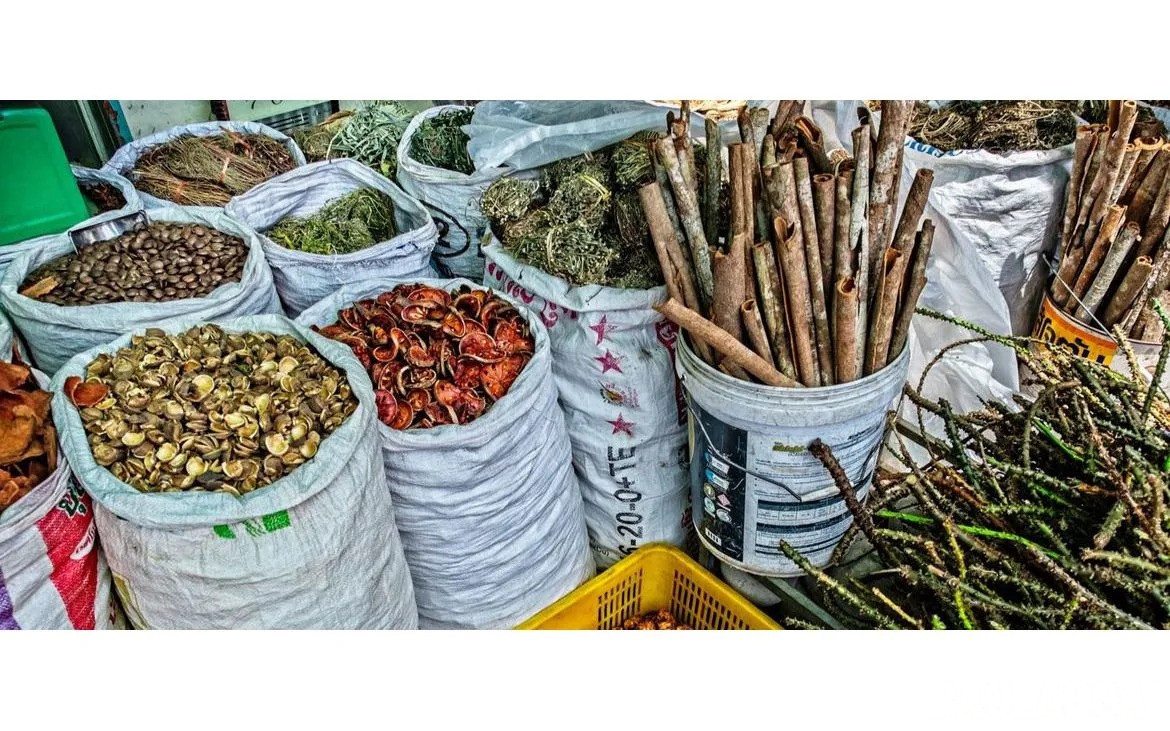
The global digital library of traditional medicine will bring together more than 1.6 million scientific records, along with a data network and framework to support indigenous knowledge, biodiversity, and public health. This information was announced ahead of the second WHO Global Summit on Traditional Medicine, scheduled to take place in New Delhi, India, from December 17-19.
Speaking at an online press conference, Shyama Kuruvilla, Director of the WHO's Global Centre for Traditional Medicine – established in 2022 – stated that the majority of WHO member states estimate that between 40% and 90% of the population uses traditional medicine in their daily healthcare. According to her, this has become a global reality.
"With approximately half the world's population still lacking adequate access to essential healthcare services, traditional medicine is often the closest, if not the only, form of medical care for many communities," Kuruvilla emphasized. For many others, traditional medicine is the preferred choice due to its individualized, holistic approach, its relevance to their biological and cultural context, and its focus on improving overall health rather than simply treating symptoms.
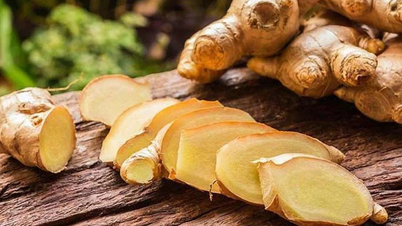
According to the WHO, traditional medicine encompasses medical practices and knowledge formed from diverse historical and cultural contexts, predating modern medicine. This approach is often based on therapies derived from nature and a holistic approach aimed at restoring balance between physical, mental, and environmental well-being.
The global demand for traditional medicine is increasing, driven by the rise of chronic diseases, mental health issues, stress in modern life, and the need for long-term, meaningful healthcare models. However, the WHO reports that less than 1% of total global health research funding is currently allocated to this field, highlighting a significant gap between practical needs and scientific investment.
The upcoming WHO Summit on Traditional Medicine will bring together policymakers, experts, scientists, and representatives of indigenous communities from around the world . Delegates will discuss the implementation of the WHO Global Strategy on Traditional Medicine to 2034, aimed at promoting traditional, complementary, and evidence-based integrated medicine; and providing guidance on governance, multilateral collaboration, and the preservation of indigenous knowledge.
The global digital library of traditional medicine – the world's first platform in this field – not only provides a vast repository of scientific data but also plays a role in connecting indigenous knowledge and biodiversity with modern health policies, contributing to the deeper integration of traditional medicine into the global healthcare system.
Source: https://baolaocai.vn/ra-mat-thu-vien-so-toan-cau-ve-y-hoc-co-truyen-post888886.html

























































Comment (0)