

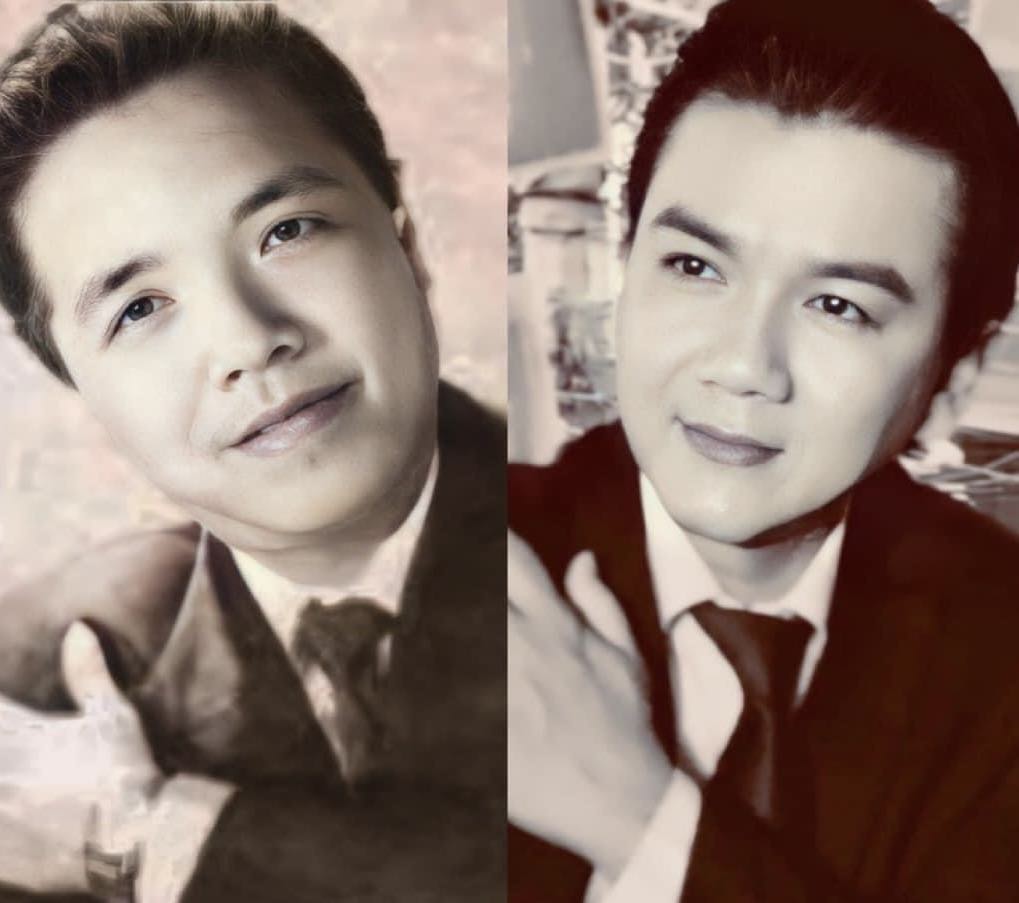
People's Artist Ut Tra On and Meritorious Artist Le Tu
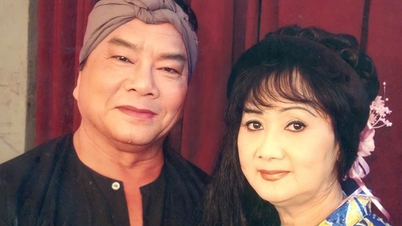
On April 16th, the theater community was abuzz when a portrait of Meritorious Artist Lê Tứ and the late People's Artist Út Trà Ôn circulated on social media. Significantly, this occurred during the final stages of the classic cải lương (Vietnamese traditional opera) play "Người ven đô" (written by Minh Khoa, directed by Meritorious Artist Hoa Hạ), which was scheduled to premiere on the evening of April 27th at the Trần Hữu Trang Theater. This time, Meritorious Artist Lê Tứ will play the role of Ông Tám Khỏe, alongside Meritorious Artist Võ Minh Lâm as Ông Bảy Đờn.
Unlike previous performances by the Dai Viet New Cai Luong Theatre, this time, impresario Hoang Song Viet has cast two young stars in veteran roles. Cai Luong enthusiasts cannot forget the acting talent and warm, deep voices of People's Artist Ut Tra On and artist Thanh Duoc, who beautifully portrayed the close friendship between the two old men from "18 villages of betel gardens," a story that has gone down in the history of Southern Vietnamese Cai Luong theatre.
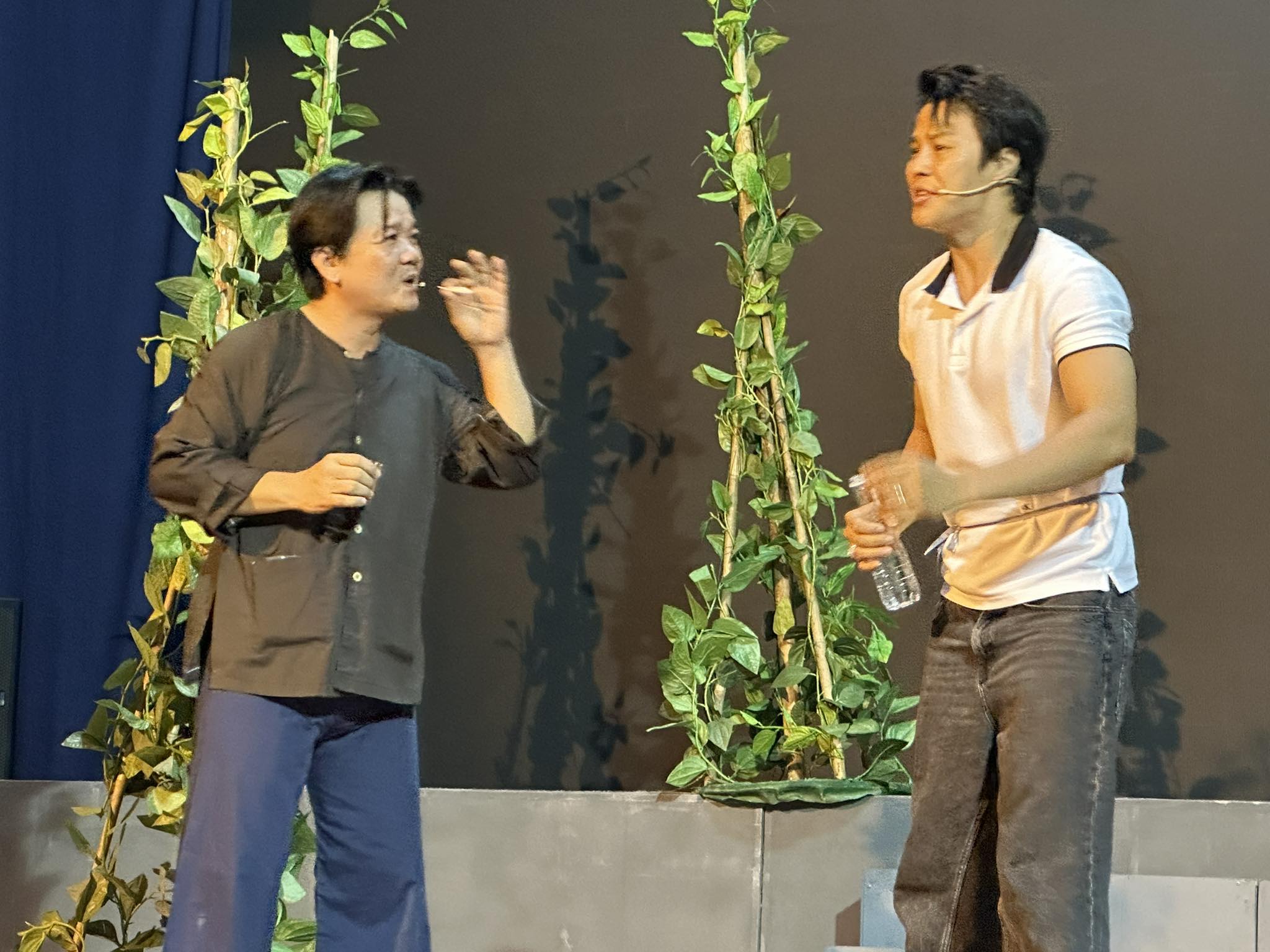
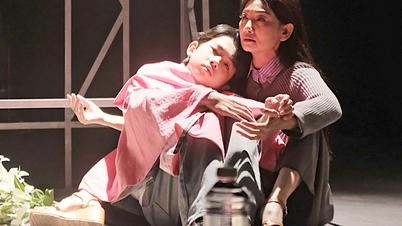
Meritorious Artist Lê Tứ and Meritorious Artist Võ Minh Lâm on the rehearsal stage for the play "The Perfect Man".
Therefore, during rehearsals, the artists made every effort to embody their roles well, especially the dialogues and singing performances of the two characters, Bay Don and Tam Khoe, which moved their colleagues in the play.
Meritorious Artist Lê Tứ confided that he admired the singing and acting styles of the two great stars who have become legends in cải lương (Vietnamese traditional opera). Being able to take on the role that the late People's Artist Út Trà Ôn had performed so brilliantly this time is a source of pride for him.
Also filled with excitement, Meritorious Artist Vo Minh Lam considered it a great honor to reprise the role previously played by artist Thanh Duoc. Both artists strived their best to embody the character well, conveying the true revolutionary spirit of the people of the 18 betel garden villages, their determination to follow the revolution, and their efforts to protect the soldiers and break through the enemy's encirclement.
Meritorious Artist Võ Minh Lâm sought out zither artisans to learn performance techniques, applying them to his role as Bảy Đờn while playing the zither for Tám Khỏe in a lush green betel garden setting. During rehearsals under the sweltering sun, the heroic spirit and burning creativity of the artists helped the actors of the Đại Việt New Cai Luong Theatre overcome fatigue and achieve the highest artistic effect.
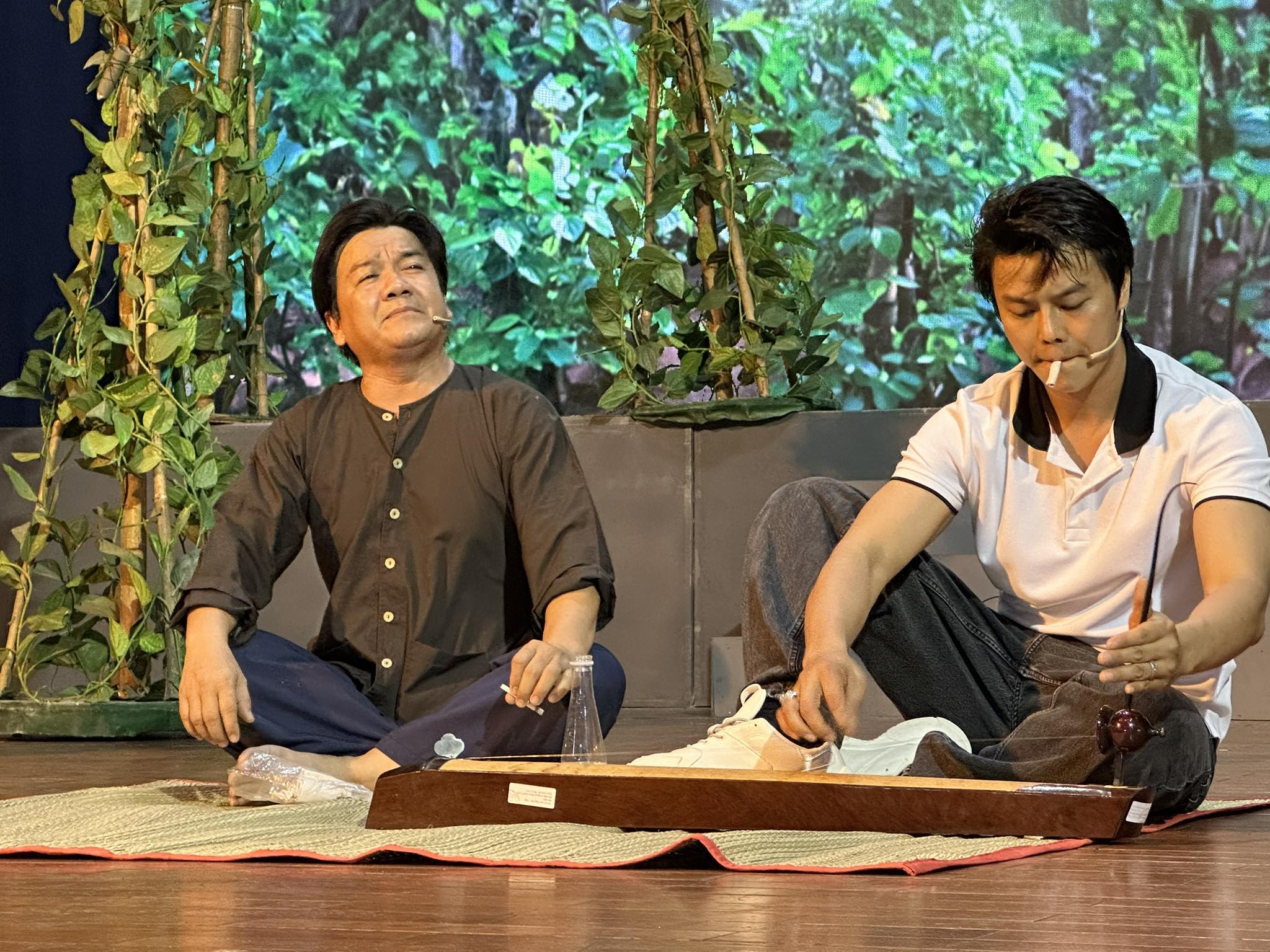
Many fans of Meritorious Artist Le Tu and Vo Minh Lam are eagerly awaiting the performance of the play "The Suburbanite" because of the profound literary quality of the work.
Theater manager Hoang Song Viet has loved this revolutionary theatrical work since the early years of the Saigon 1 Cai Luong Troupe's debut. Now that he has the means, he has decided to include it in the repertoire of the art unit he has worked so hard to build. This is simply because he wants this to be an opportunity for the younger generation of actors to relive the heroic spirit that their predecessors experienced, and also a chance for young actors to embody challenging roles.
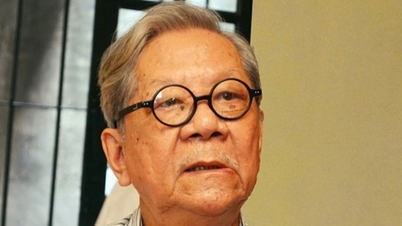
People's Artist Út Trà Ôn (1919 - 2001), from a young age, with innate talent and decades of dedicated practice, Nguyễn Thành Út (his real name) became a beloved cải lương (Vietnamese traditional opera) artist from the South to the North, revered as the "King of Vọng Cổ" (traditional Vietnamese folk singing). He was born in Đông Phú hamlet (Đông Hậu village, Trà Ôn district), then part of Cần Thơ province, now Trà Ôn district (Vĩnh Long province).
At over 16 years old, he studied singing in his village. In 1937, he was introduced to Saigon Radio by an acquaintance, and from then on, he officially adopted the stage name Út Trà Ôn. Thanks to his expressive, warm, sincere voice, deeply rooted in the Southwestern region of Vietnam, he was featured on the radio waves and quickly gained popularity among listeners. The first vọng cổ (traditional Vietnamese folk song) he sang on the radio was "Thức trót canh thau" (Staying Awake Through the Night). With his passion for art and excellent singing and acting abilities, he frequently contributed his voice to the radio station and recorded for various record companies.
In particular, with his unique voice, he contributed to enhancing the prestige of Asia Records with the 20-verse vọng cổ song "Tôn Tẩn giả điên" (Tôn Tẩn Pretending to be Mad), composed by a famous Buddhist monk of the time.
In 1942, he performed for various cải lương (Vietnamese traditional opera) troupes such as Hề Lập, Thanh Long, Tiến Hóa, Mộng Vân, Sao Mai, Thanh Minh… In 1954, he established the Kim Thanh troupe, marking his first time managing a renowned and famous singing group, a name still remembered by many elderly artists today.
In 1955, in Saigon, during a public opinion poll conducted by the press, artist Ut Tra On was awarded the title "First Male Singer" by the audience.
After the reunification of the country (April 30, 1975), he worked for the Saigon 1 Cai Luong Troupe, the Tran Huu Trang Theater, and later the Talent Stage, also known as the 2-84 Troupe.
In 1997, he was awarded the title of People's Artist (4th round) and the Order for the Cause of Theatre by the State for his significant contributions to the arts in Ho Chi Minh City.
Source: https://nld.com.vn/tuong-nho-nsnd-ut-tra-on-nsut-le-tu-vao-vai-tam-khoe-nguoi-ven-do-196240416071238304.htm
![[Photo] Closing Ceremony of the 10th Session of the 15th National Assembly](/_next/image?url=https%3A%2F%2Fvphoto.vietnam.vn%2Fthumb%2F1200x675%2Fvietnam%2Fresource%2FIMAGE%2F2025%2F12%2F11%2F1765448959967_image-1437-jpg.webp&w=3840&q=75)








































![[OFFICIAL] MISA GROUP ANNOUNCES ITS PIONEERING BRAND POSITIONING IN BUILDING AGENTIC AI FOR BUSINESSES, HOUSEHOLDS, AND THE GOVERNMENT](https://vphoto.vietnam.vn/thumb/402x226/vietnam/resource/IMAGE/2025/12/11/1765444754256_agentic-ai_postfb-scaled.png)






































Comment (0)