

Vietnam is one of the most affected countries in the world by climate change and frequently experiences natural disasters, therefore poverty reduction and prevention of re-poverty prioritize sustainability and long-term sustainability.
To achieve sustainable poverty reduction and social security in the period up to 2025, with a vision to 2030, and the Sustainable Development Goals of the world for the period 2015-2030 adopted by the United Nations, Vietnam is making greater efforts and showing stronger determination, focusing on directing specific tasks more decisively and effectively.
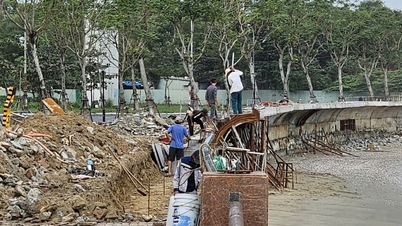
[caption id="attachment_605348" align="aligncenter" width="940"]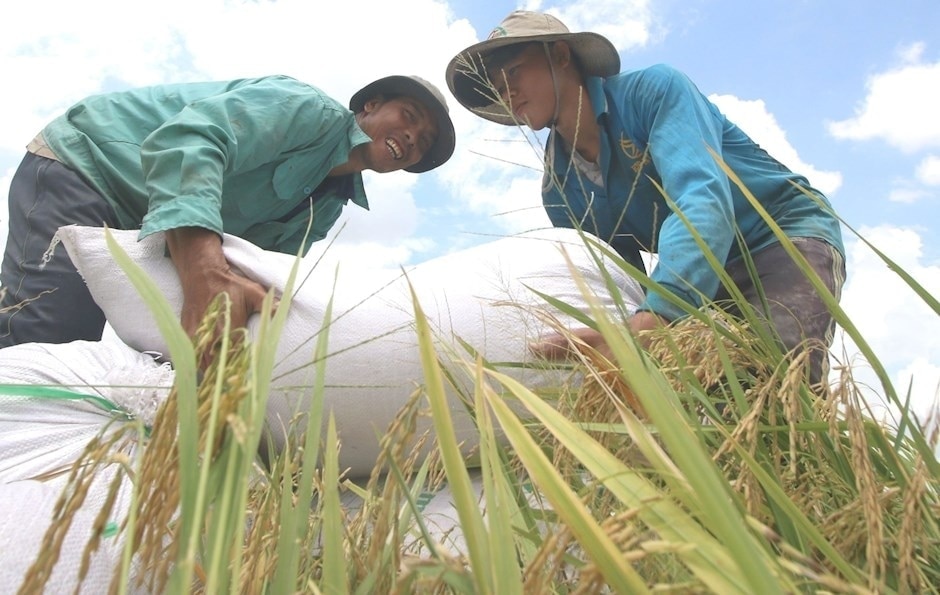 Vietnam is one of the most affected countries in the world by climate change and frequently experiences natural disasters, therefore poverty reduction and prevention of re-poverty focus on sustainability and the long term. (Photo: BPTV)
For a Vietnam free from poverty
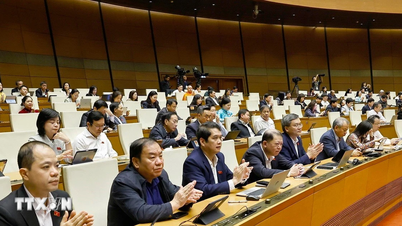
Vietnamese agencies are focusing on researching and submitting to the central government resolutions and directives on sustainable poverty reduction and social security policies until 2030; submitting to the National Assembly a resolution on continuing to promote the goal of inclusive poverty reduction and approving the investment plan for the National Target Program on Sustainable Poverty Reduction and Social Security for the period 2021-2025, with orientation to 2030 and vision to 2045 "For a Vietnam without poverty".
To achieve this goal, Vietnam continues to refine its poverty alleviation policies, developing a multidimensional poverty standard, prioritizing children, the elderly, people with disabilities, and ethnic minorities, ensuring that no one is left behind; building poverty reduction and social security programs and models in the new context, addressing the extreme impacts of the pandemic and climate change; replicating effective and successful programs, initiatives, and models; prioritizing state resources, integrating poverty reduction programs, and mobilizing resources from the entire society and the support of international organizations in assisting the poor.
Ministries, departments, and localities have identified sustainable poverty reduction and social security assurance as key tasks of Party committees and governments at all levels; continuing to innovate, be dynamic, and creative in planning and implementation.
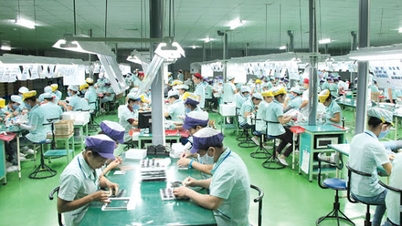
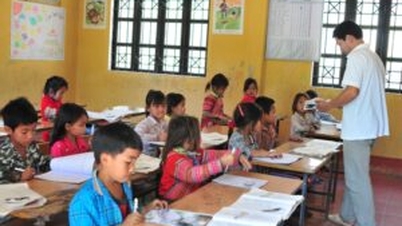
The agencies continue to focus on investing in socio -economic infrastructure in disadvantaged areas, especially transportation infrastructure to create opportunities for trade; enhance job creation to attract investment; develop businesses, invest in education and vocational training to create income-generating jobs; disseminate best practices and replicate successful poverty reduction models, and raise self-reliance awareness among all families; continue implementing preferential credit policies for poor households, near-poor households, and newly-escaped-poverty households after 2020; and apply information technology in organizing and implementing poverty reduction work, especially in remote areas.
Vietnamese ministries, sectors, and localities continue to build mechanisms to create conditions for people to be more proactive, dynamic, and motivated, and to be empowered with greater self-determination in implementing poverty reduction model projects, from policy formulation to implementation. Simultaneously, they will communicate, honor, and replicate exemplary models and outstanding individuals, and listen to the people's opinions on poverty reduction policies and models.
No one is left behind.
Besides investing in infrastructure and implementing programs and mechanisms, Vietnam continues to promote the nationwide emulation movement to ensure that no one is left behind. This is one of the four key movements in the patriotic emulation movement during the đổi mới (renovation) period. Ministries, sectors, and localities are actively developing specific plans to ensure the practical effectiveness of this movement.
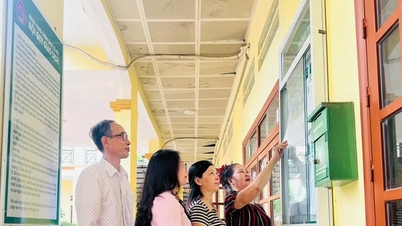
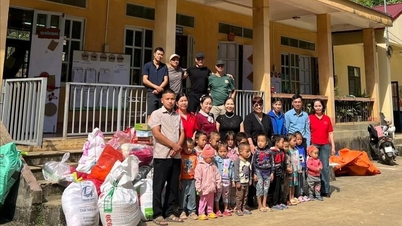
[caption id="attachment_605351" align="aligncenter" width="700"]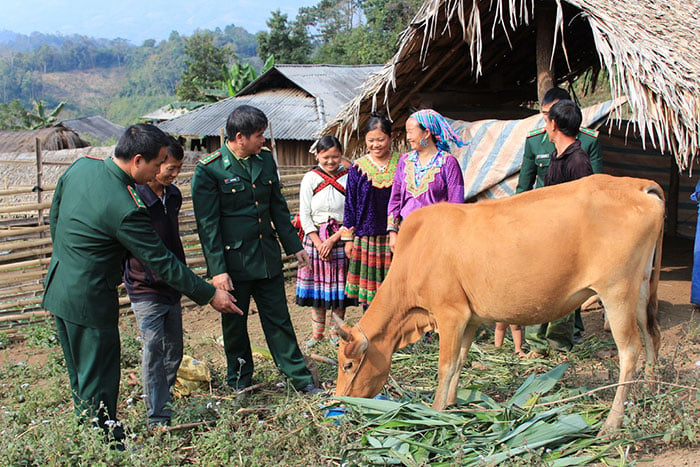 Listening to the people about poverty reduction policies and models. (Photo: DCS Online Newspaper)
The new movement is also being increasingly implemented, with each commune, ward, and village building exemplary poverty reduction models suitable to their locality with more innovative approaches. Sustainable poverty reduction, starting with children, means localities are paying special attention to human capital. Furthermore, better-off localities are providing support to poorer districts and communes with particularly difficult socio-economic conditions; Party committees are assigning Party members to participate in supporting the poor, launching emulation movements to achieve sustainable poverty reduction goals in a more creative and substantive way.
Government agencies are also further strengthening the dissemination of information and propaganda regarding the Party's guidelines and policies, the National Assembly's resolutions, and sustainable poverty reduction and social security mechanisms and policies to all levels, sectors, and localities, leveraging the strength of the entire political system to create transformation and consensus throughout society. They are coordinating with the Central Committee of the Vietnam Fatherland Front and other mass organizations to enhance awareness and mobilize members to actively participate in poverty reduction efforts.
Furthermore, Vietnam continues to actively mobilize the participation of businesses, organizations, individuals, and the entire society in supporting the poor; with a focus on monitoring the implementation of poverty reduction policies, promoting democracy, and leveraging the people's internal strengths. Another significant aspect is the expansion of international cooperation, mobilizing technical support and resources from international organizations and development partners to continue working alongside the Vietnamese government in sustainable poverty reduction and social security.
Phuong Anh









































































Comment (0)