

Focus on digital transformation, green economy , application of science and technology
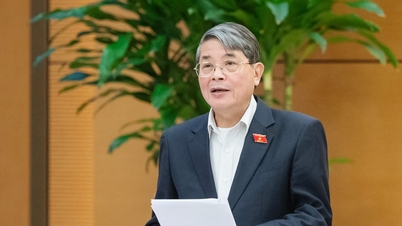
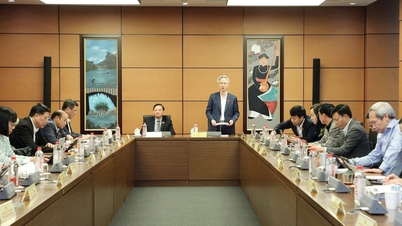
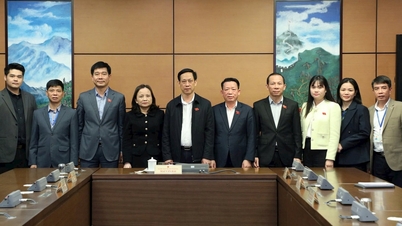
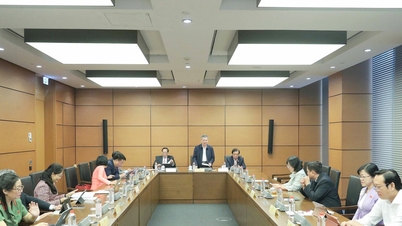
Speaking at the discussion at Group 1 on the Investment Policy of the National Target Program on new rural areas, sustainable poverty reduction, and socio-economic development in ethnic minority and mountainous areas until 2035, National Assembly Deputy Nguyen Thi Lan highly appreciated the Ministry of Agriculture and Environment and the appraisal agencies for preparing the draft National Target Program for the period 2026-2035 very elaborately, methodically and closely following the current requirements of agricultural and rural development.
According to the delegate, this is a very necessary program, because agriculture - farmers - rural areas continue to be an important foundation for socio-economic stability, food security and climate change adaptation. "In the context of low income and large regional disparities, building a comprehensive, long-term and highly integrated program is very timely," delegate Nguyen Thi Lan emphasized.
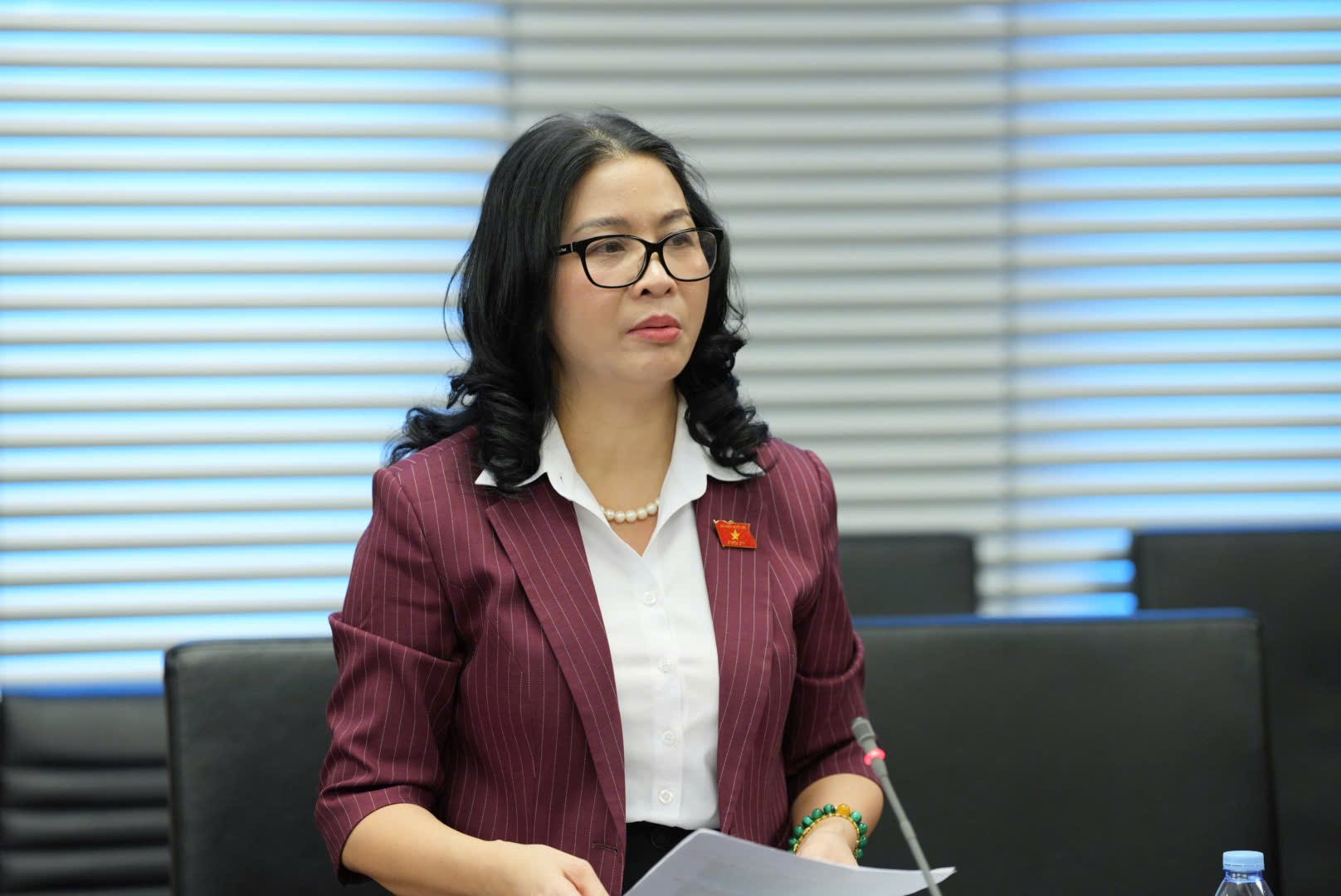
In addition, delegates also highly appreciated three highlights of the draft, which are the approach of integrating three programs into a common framework, helping to reduce duplication and increase investment efficiency; very modern development orientation, focusing on digital transformation, green economy, circular economy and application of science and technology; clear and well-founded goals, especially the goal of increasing income 2.5-3 times and strongly improving the quality of life in rural areas. Delegates assessed that this is a good foundation for the transition from "meeting standards" to "sustainable - inclusive - modern development".
Proposing some contents to further complete the draft, delegate Nguyen Thi Lan said that regarding rural human resources, the Draft mentioned vocational training but it was still general. Meanwhile, agriculture today requires new skills from digitalization, automation to production management. The delegate cited reality showing that localities that have done well such as Lam Dong, Dong Thap, Son La all have outstanding productivity and quality of agricultural products; and international experience such as Korea, Japan, and the Netherlands all clearly affirmed that if we want sustainable rural development, we must start with people.
"Therefore, it is recommended to supplement the training program for "new generation rural human resources", focusing on digital skills, modern machinery operation skills and agricultural business management skills. At the same time, increase the role of universities and research institutes to transfer technology directly to farmers," the delegate proposed.
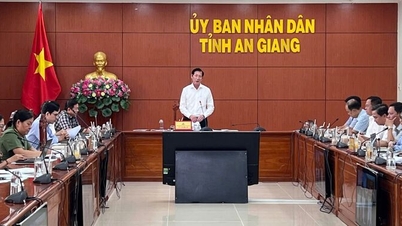
Regarding science, technology and innovation, delegates assessed that the draft has not yet stipulated the budget rate for science and technology, and there is no mechanism for ordering research or attracting technology enterprises. Therefore, delegates proposed to have a Rural Innovation Fund; deploy research orders according to local needs; prioritize biotechnology, seeds, digital transformation, IoT, AI and especially increase the connection between institutes - schools - enterprises - localities. In addition, places strong in innovation such as Lam Dong and An Giang have demonstrated very clear effectiveness; meanwhile, lessons from Israel, the Netherlands or South Korea also show that to overcome resource limitations and increase the value of agricultural products, we must rely on science and innovation.
Supplementing the set of land and water assessment indexes for new rural communes
Regarding environmental economics and climate adaptation, delegate Nguyen Thi Lan pointed out that the draft does not have a set of soil and water health indicators, nor does it fully mention the low-carbon agricultural model or climate solutions for each region. While reality shows that 40-50% of agricultural land has degraded, water is scarce, and climate is changing extremely. Therefore, the delegate suggested adding a set of soil and water assessment indicators for new rural communes; developing regenerative agriculture, low-carbon agriculture; integrating climate solutions for each region and adding environmental economic criteria, waste recycling... because this is not only a requirement for sustainable development but also a condition to meet EU and US standards in agricultural exports.
.jpg)
Regarding the mechanism of decentralization, monitoring and measuring results, delegates pointed out that the Draft lacks a digital monitoring system, lacks a set of indicators based on output results and does not have a clear accountability mechanism. Therefore, delegates proposed to gradually shift from assessing "how many communes meet the standards" to assessing income, livelihoods, environment and the actual level of poverty reduction; build a digital monitoring system from province to commune; and stipulate accountability for each investor. Practical experiences from Korea, China or localities such as Quang Ninh and Binh Duong have shown that transparency and close monitoring are the key to making the program run correctly, quickly and effectively.
"These proposals, if added, will help the program go into depth, become more effective, more transparent and bring real benefits to rural people," delegate Nguyen Thi Lan affirmed.
Source: https://daibieunhandan.vn/xay-dung-mot-chuong-trinh-tich-hop-dai-han-va-hien-dai-10398073.html


![[Photo] Cat Ba - Green island paradise](/_next/image?url=https%3A%2F%2Fvphoto.vietnam.vn%2Fthumb%2F1200x675%2Fvietnam%2Fresource%2FIMAGE%2F2025%2F12%2F04%2F1764821844074_ndo_br_1-dcbthienduongxanh638-jpg.webp&w=3840&q=75)






























![[VIMC 40 days of lightning speed] Da Nang Port: Unity - Lightning speed - Breakthrough to the finish line](https://vphoto.vietnam.vn/thumb/402x226/vietnam/resource/IMAGE/2025/12/04/1764833540882_cdn_4-12-25.jpeg)





































Comment (0)