

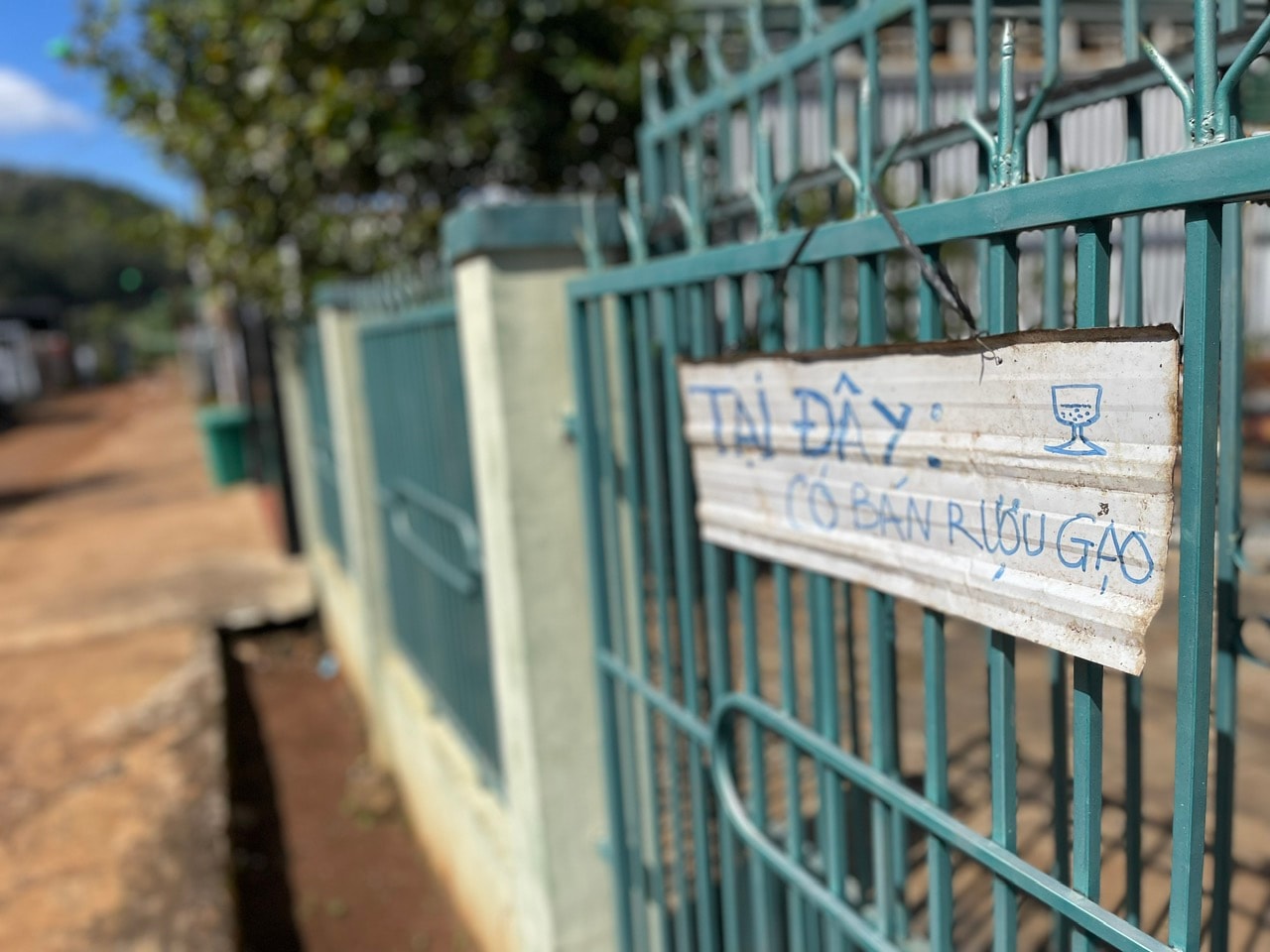
According to the Department of Industry and Trade, the unit has proactively organized and synchronously deployed a system of legal documents on the management of production and trading of alcoholic beverages to enterprises and production and trading establishments.
The Department has issued many documents guiding enterprises and establishments producing and trading alcoholic beverages to strictly comply with regulations on food safety, self-declaration of products, labeling of goods, and licensing of industrial alcohol and craft alcohol production for business purposes.
However, the group of hand-made and soaked wines is identified as having the highest risk. Due to the characteristics of small-scale production, no testing of ingredients is performed and there are no uniform standards or technical regulations applied. Because the process of soaking herbs and animals is mainly based on experience, there is a lack of guidance on ratios, time and hygiene conditions. This increases the risk of methanol, aldehyde or microbial indicators exceeding the allowable level.
Nowadays, many people consider infused wine to be both a medicine and an alcoholic beverage. Because of this, the provincial industry and trade sector is focusing on strengthening supervision and technical guidance. In case this group of products is put on the market, it needs to be periodically tested to avoid the use of industrial alcohol to mix or produce poor quality wine.
Currently, Lam Dong has 1 beer production facility, 10 industrial alcohol production facilities such as: wine, vodka, ginseng, cordyceps and hundreds of households producing handmade alcohol, infused alcohol of all kinds. Industrial alcohol production enterprises generally strictly comply with regulations on limits of heavy metals, mycotoxins, microorganisms and chemical composition. Enterprises all carry out conformity declaration and periodic testing before circulating products. According to the assessment of the Department of Industry and Trade, enterprises' awareness of complying with regulations on food safety and hygiene is increasingly high. The application of standards and regulations helps products meet circulation requirements, at the same time, enhancing the reputation and competitiveness of enterprises.
However, businesses are still facing difficulties due to high testing costs, lack of resources and difficulty in meeting all technical standards. For small-scale establishments, quality control is limited due to the lack of detailed instructions on the types of infused wine and the lack of regulations on periodic testing times.
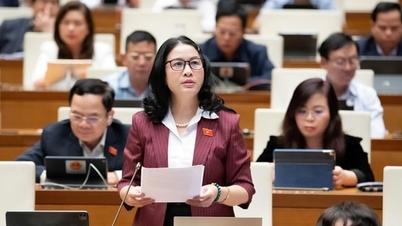
According to Ms. Cao Thi Thanh, Deputy Director of the Department of Industry and Trade, to improve management efficiency, the department recommends that the Ministry of Industry and Trade soon issue specific guidelines on standards and regulations for infused wine - the product group with the highest risk. "Authorities need to clearly stipulate the time for periodic testing of alcoholic beverages to ensure product quality, protect consumer health and serve as a basis for management and supervision agencies," Ms. Thanh said.
To produce and trade alcoholic beverages, organizations and individuals need to comply with a number of necessary standards and regulations such as: QCVN 6-3:2010/BYT for alcoholic beverages; QCVN 81:2011/BYT on mycotoxin limits; QCVN 8-2:2011/BYT on heavy metals; TCVN 7043:2013 on white wine; TCVN 7044:2013 on liqueurs; TCVN 8008:2009 on methods for determining alcohol content...
Source: https://baolamdong.vn/xay-dung-tieu-chuan-cho-san-pham-do-uong-co-con-san-xuat-nho-le-408822.html













































































Comment (0)