

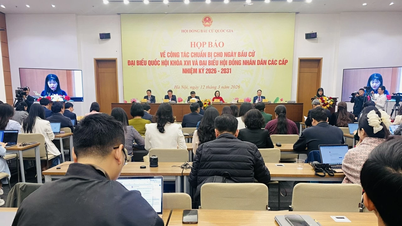
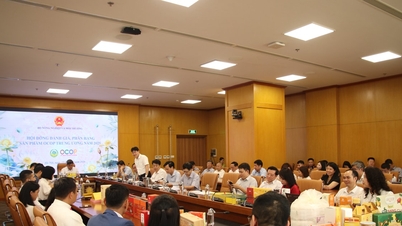
On the afternoon of June 20th, the National Assembly spent time discussing the draft Law on Water Resources (amended). Issues such as water pollution and "rescuing" dying rivers received significant attention and feedback from many National Assembly deputies.
Of the 37 cancer villages, 10 have water pollution.
Representative Trang A Duong ( Ha Giang ) argued that to ensure national water security, it is necessary to focus on preventing, controlling, and restoring degraded, depleted, and polluted water sources. The draft law stipulates the responsibilities of several ministries, sectors, and localities in protecting, preventing, and combating the degradation, depletion, and pollution of water sources.

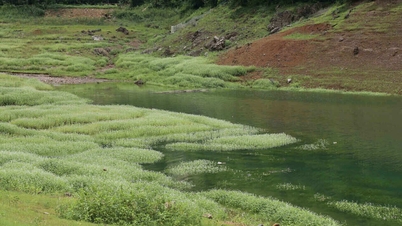
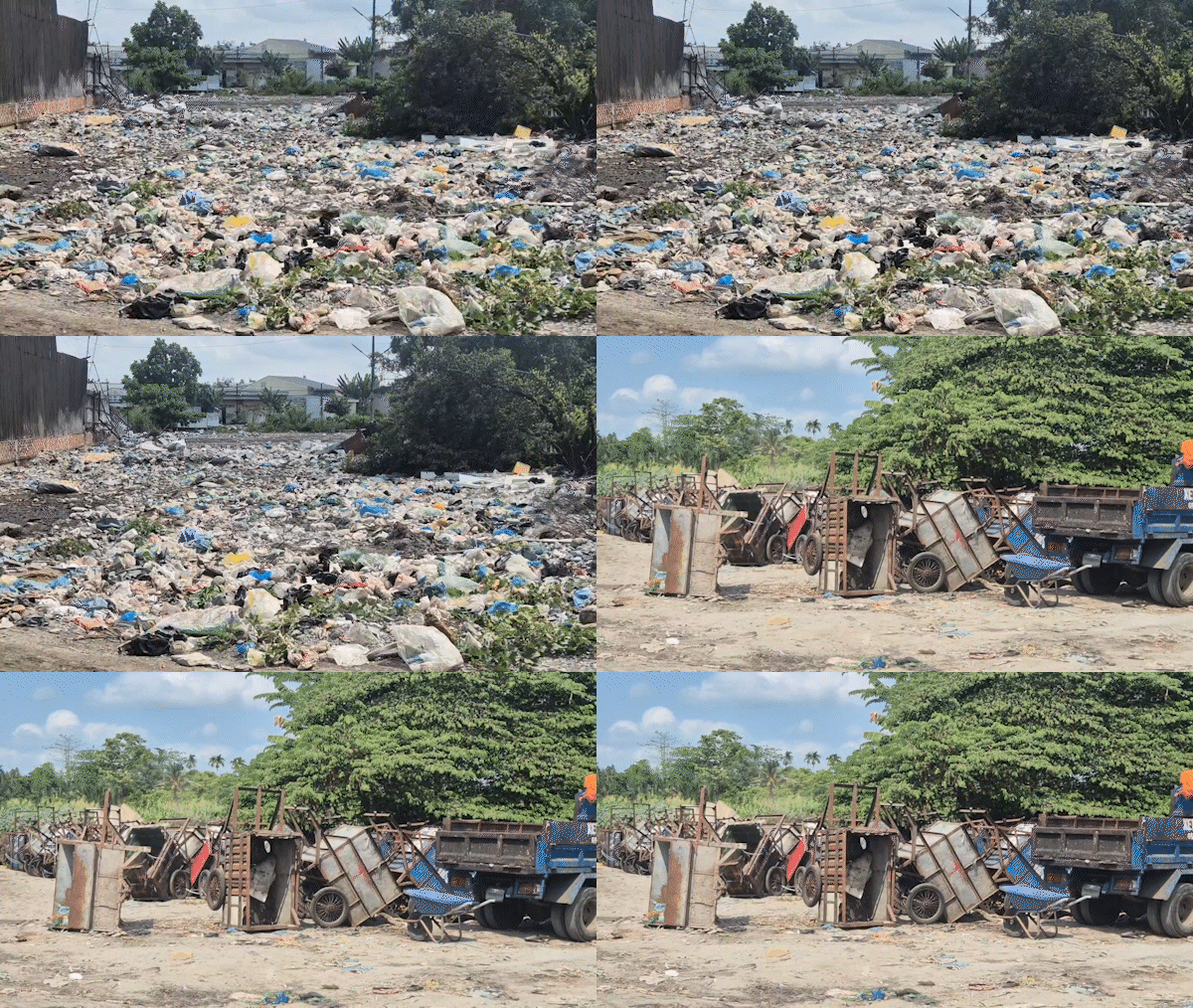
Regarding water restoration, many rivers and streams, which are sources of water for daily life, production, and ecological landscapes, are currently severely polluted and depleted, and are referred to as "dead rivers." Members of Parliament affirmed that restoring these dead rivers is extremely important and urgent.
The draft law, which includes provisions on water source restoration, is absolutely necessary. The difficulty lies in the large amount of funding required, which the State budget cannot adequately allocate. Mr. Trang A Duong suggested further research to clarify the financial mechanisms and policies for this activity, especially policies to attract capital from organizations and individuals to participate in river restoration.
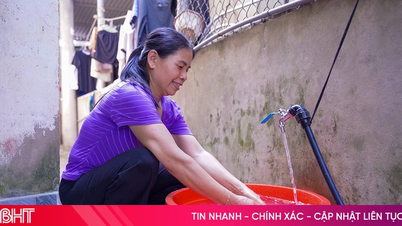
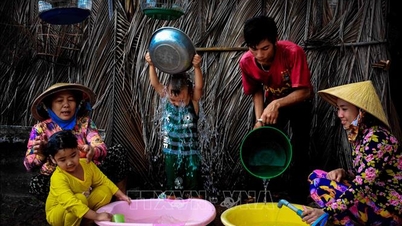
Representative Nguyen Thi Ngoc Xuan ( Binh Duong ) shared that clean water is a special type of food and commodity, directly impacting people's health and all other essential activities. In Vietnam, the percentage of households with access to piped water is currently only about 52%, at 84.2% in urban areas, while in rural areas it is only 34.8%.
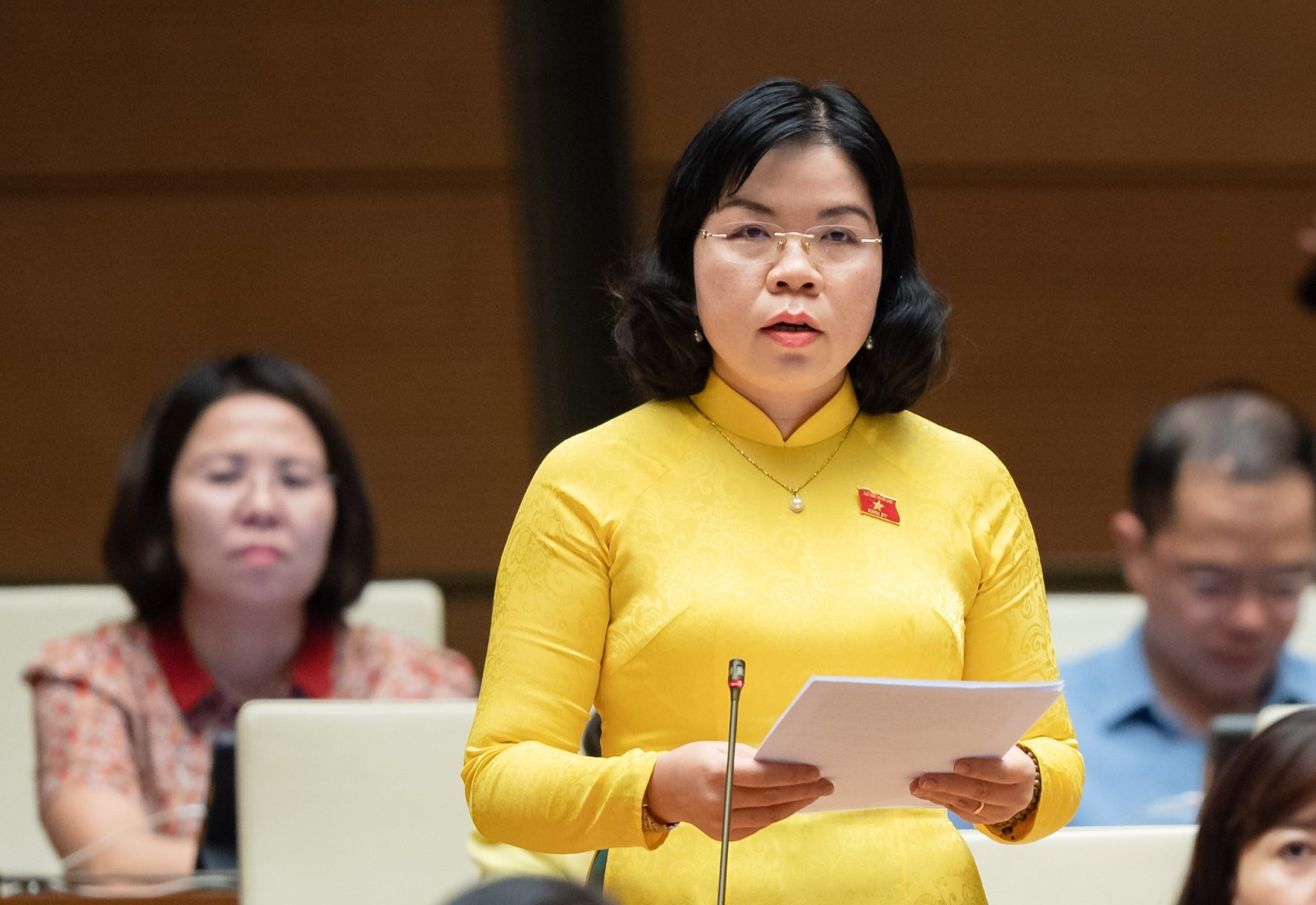
According to statistics from the Ministry of Health, out of 37 cancer villages in Vietnam, 10 suffer from severe water pollution, a very alarming figure. The female representative emphasized: "People have the right to access clean water, and the Government has a responsibility to meet the people's clean water needs."
The State has plans and investment development plans to manage the clean water supply system for the people, invests in clean water supply systems for inter-communal, inter-district, and inter-provincial areas, and clean water supply systems for the entire region; and regulates the scope of responsibility for protecting water supply facilities for the community.
At the same time, she proposed regulations defining the responsibilities of the clean water supply company, especially regarding compensation for damages to the people.
The delegate cited Finland as an example, where water outages, water-related incidents, and water risk management are determined by calculating the total duration of water outages in a year. Users can claim compensation for a minimum of 2% of their water supply costs if this time exceeds 12 hours in a year.
We must retain water.
Representative Pham Van Hoa (Dong Thap) assessed that Vietnam's natural water resources are declining and experiencing serious environmental pollution due to both natural and human impacts. Therefore, he proposed adding policies to invest in reservoirs and dams for water storage, minimizing the construction of hydroelectric dams, applying technologies for recycling domestic water and rainwater, and converting seawater into freshwater.

In particular, Representative Hoa stated that in the past there was a common assumption that water was abundant and inexhaustible, and that its use and exploitation would never run out. In many places, no penalties were imposed, so people's awareness of compliance was very limited.
He argued that strict measures are needed to set an example and prevent acts of discharging untreated wastewater into the environment, destroying water resources through the use of toxic chemicals in agricultural production, and recklessly exploiting groundwater.
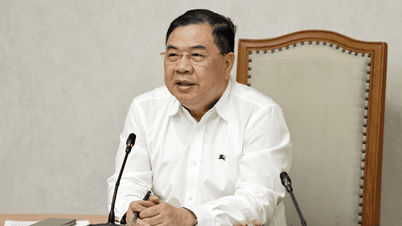
Further clarifying the necessity, Minister of Natural Resources and Environment Dang Quoc Khanh stated that the amended Water Resources Law must ensure the full institutionalization of the Party's major policies on the management, protection, and use of water resources, and especially on ensuring water security.
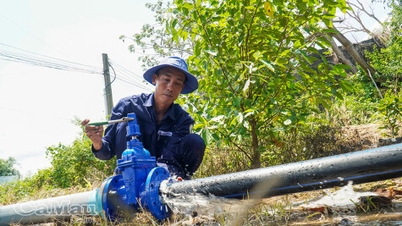
Many National Assembly deputies are very concerned about water security, especially in the context of climate change's significant impact. The Minister cited the current water shortage situation in the northern mountainous provinces and the Mekong Delta as examples.
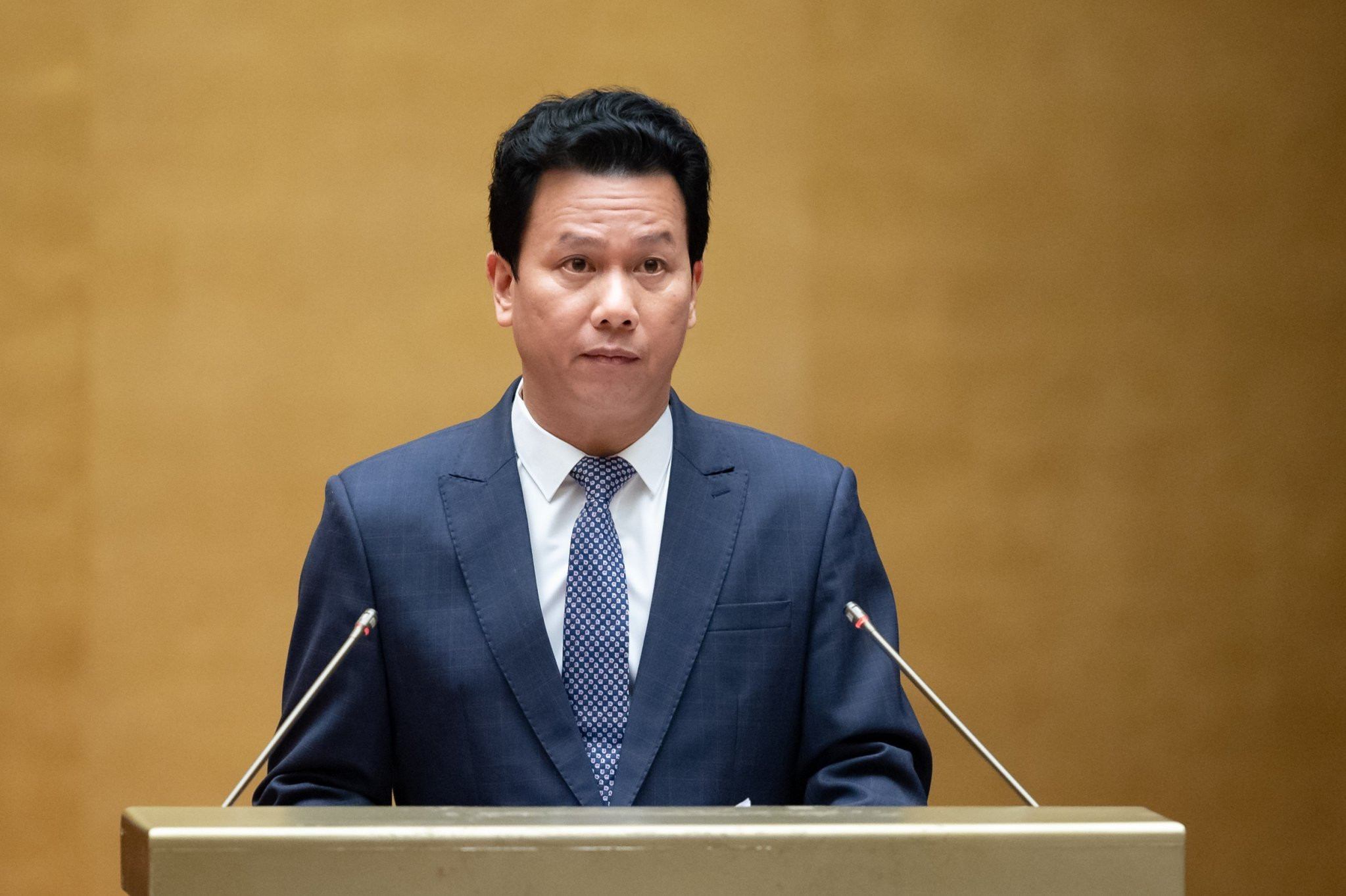
"We must conserve water. As a maritime nation, we face droughts and water shortages during the dry season and floods during the rainy season. Therefore, regulating, managing, and using water effectively is crucial," the Minister emphasized.
Source












































































Comment (0)