

According to Neowin , although Microsoft will offer paid support for Windows 10 users until October 2028, upgrading the system is likely a smarter option. This is because customers will have to pay an (undetermined) fee to receive extended support, which is a challenge for organizations with limited budgets.
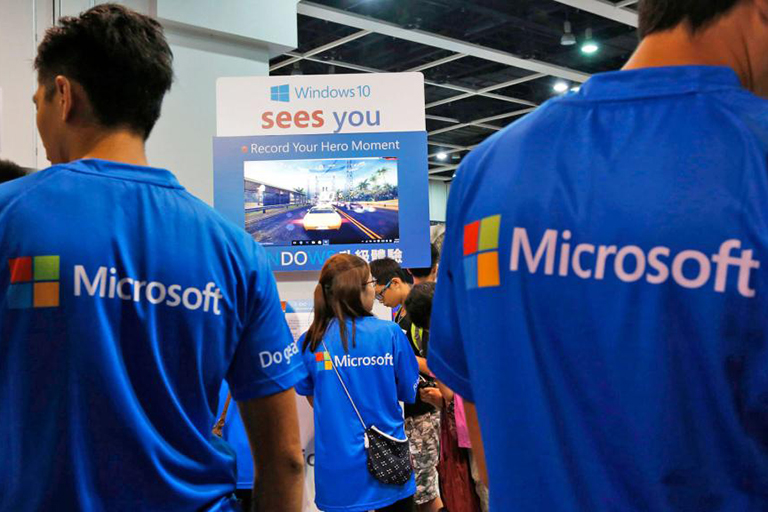
Microsoft will end support for Windows 10 in October 2025.
For example, pricing for extended Windows 7 support packages started at $25 per PC for the first year, but this figure increased fourfold ($100) per device in subsequent years.
Back when Microsoft released Windows 11, the company required that only computers supporting TPM 2.0 for enhanced security could run the operating system. Systems without TPM 2.0 would not be able to upgrade to Windows 11. With the requirement for new hardware, Canalys estimated that up to 240 million PCs running Windows 10 would be discarded, even if they were perfectly functional.
Of course, if the PC doesn't support TPM 2.0, users can take several steps to help mitigate the problem. The first option is to switch to Linux Mint, Ubuntu, or some other Linux distribution. Linux works very well on most PCs, and it's not too difficult to burn an ISO image to a USB drive to install it on the user's PC, with the process taking about 30 minutes. With most of our computing work done online, the lack of Windows software for Linux isn't a major issue anymore.
Source link

















































































Comment (0)