

Associate Professor Tran Xuan Nhi - former Deputy Minister of Education and Training : The effectiveness of a streamlined and clearly decentralized system.
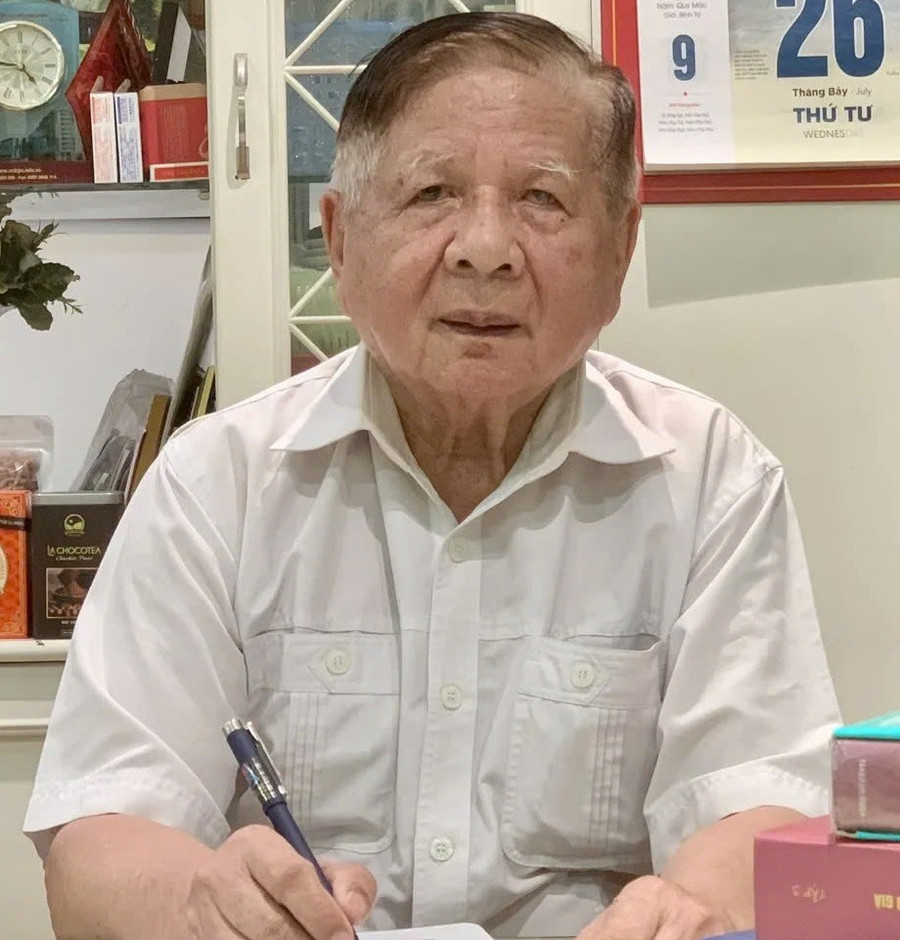
In my opinion, the merger of provinces and cities and the implementation of a two-tiered government model from July 1, 2025, has brought many new opportunities for the education sector in the future. With the new model, schools will be transferred from the district level to the commune level for management according to administrative boundaries. This allows commune-level authorities to be more closely involved with school activities, thereby enabling them to make quick decisions that are appropriate to the practical conditions of the locality.
With direct management from the commune level, educational institutions can be more proactive in developing and implementing educational plans, using resources effectively, and resolving emerging issues more flexibly. In addition, the authority to organize competitions for excellent teachers and excellent homeroom teachers will be exercised by the commune-level People's Committee. This helps promote decentralization and reduce unnecessary administrative procedures.
The merger of administrative units and streamlining of the two-tiered government structure also helps eliminate overlaps and duplications in the education management system at all levels; thereby reducing staffing levels, saving budget, and improving operational efficiency. With a streamlined and clearly defined hierarchical structure, the allocation of budgets, facilities, and teachers can be carried out more effectively, focusing on areas that truly need it, especially in disadvantaged and merged regions.
In particular, the Law on Teachers was recently passed by the National Assembly and will take effect from July 1, 2026. According to this law, the Department of Education and Training has the authority to uniformly implement the arrangement, transfer, secondment, and development of the teaching staff throughout the province to ensure balance and effectively handle situations of teacher shortages or surpluses. In the context of merging provinces and cities and implementing a two-tiered government model, I believe this will create a streamlined, efficient, and people-oriented education management system; thereby opening up many opportunities to improve the quality of education, develop the teaching staff, and better meet the learning needs of the people in the new context.
Ms. Chau Quynh Dao - An Giang National Assembly Delegation: “A golden opportunity” to restructure, modernize, and genuinely improve the quality of education.

In my opinion, the merger of localities and the implementation of a two-tiered government model is not only an innovation in the model of state governance, but also opens up many breakthrough opportunities for the education sector.
Firstly, there's an opportunity to streamline the administrative apparatus and improve the efficiency of education management. Previously, the local education sector operated through three levels: province, district, and commune, with the education and training departments acting as intermediaries. After the merger, the provincial-level management agency directly supervises down to the grassroots level. This poses a significant challenge, but also opens up a great opportunity to restructure the apparatus towards a more streamlined and efficient system, reducing intermediate levels.
From a management perspective, shortening the intermediate levels helps to quickly communicate management orders, reducing overlapping directives, especially in the context of many educational policies that need to be implemented synchronously on a wide scale, such as the 2018 General Education Program, digital transformation, and examination reform.
Secondly, the school network needs to be restructured – developing a modern and sustainable system. The merger of administrative boundaries also provides the conditions for a more fundamental and systematic restructuring of the school network. Many localities that previously had a small number of scattered communes and school branches can now, after mergers,: reduce unnecessary satellite school branches and concentrate investment in central schools; form multi-level schools and key schools, facilitating management, teaching, and human resource utilization; and easily organize inter-school professional development, promoting in-depth learning and resource sharing. This is a prerequisite for improving the quality of education in remote and disadvantaged areas, which have been fragmented for many years due to their large geographical areas and sparse populations.
Thirdly, there is an opportunity for the reallocation and efficient use of educational resources. One of the key highlights is that budgetary resources for education after the merger can be reallocated more flexibly. The merged communes and wards are larger in size and have a larger population, meaning the need for investment in education increases; this creates conditions for better mobilization and exploitation of local resources such as land, social funding, and educational volunteers… or it could create a large educational center.
Furthermore, reducing administrative layers helps save administrative budget, which can then be redirected to invest more in school renovation, equipment procurement, and improving teachers' incomes, especially in disadvantaged areas.
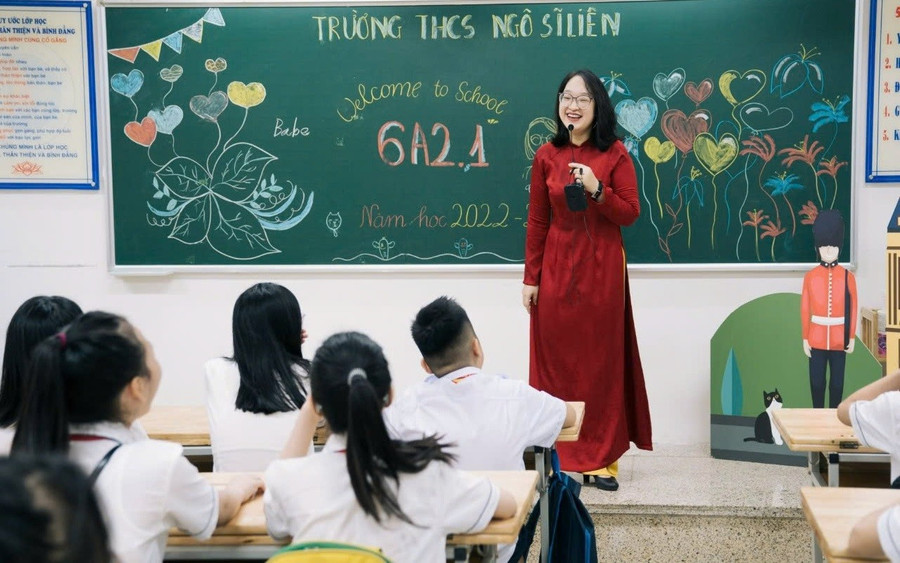
Fourth, the two-tiered government model simplifies the process of deploying information technology applications and digital transformation in education by reducing the number of implementation points and increasing synchronization. Many localities have successfully implemented these systems, such as: online education management systems, including managing students, teachers, equipment, and professional records; digital learning materials; and smart classrooms, which help bridge the gap between regions; and receive feedback and evaluations from citizens on the quality of education through transparent platforms, thereby enhancing democracy and social oversight.
Fifth, expand the role of commune-level authorities, strengthening their autonomy and accountability. Now, commune/ward authorities play a more important role in managing preschool, primary, and secondary schools within their jurisdiction. This creates conditions for promoting proactiveness, flexibility, and closeness to the people in educational management; while also encouraging community participation, parent involvement, and social organizations in supporting schools; and experimenting with the "school-to-community" model. This contributes to building a more comprehensive and sustainable educational environment.
It can be said that the merger of localities and the implementation of a two-tiered government system is a strong step, in line with the requirements of national development in the new era. For the education sector, this is both a challenge in reorganizing the apparatus and decentralizing administration, but at the same time a "golden opportunity" to restructure, modernize, and genuinely improve the quality of education.
However, I believe the current challenge is to carefully review the organizational and management model of education after the merger; strengthen the capacity of leaders and managers at the commune level; and supplement inter-sectoral coordination mechanisms to ensure seamless coordination in leadership and management. Only by effectively utilizing these opportunities can the education sector truly overcome long-standing obstacles related to school networks, training quality, and management efficiency.
Mr. Nguyen Minh Tuong - Director of the Department of Science and Technology of Phu Tho province, former Director of the Department of Education and Training of Phu Tho province: Streamlining the organizational structure creates an effective, flexible, and substantive education management ecosystem.
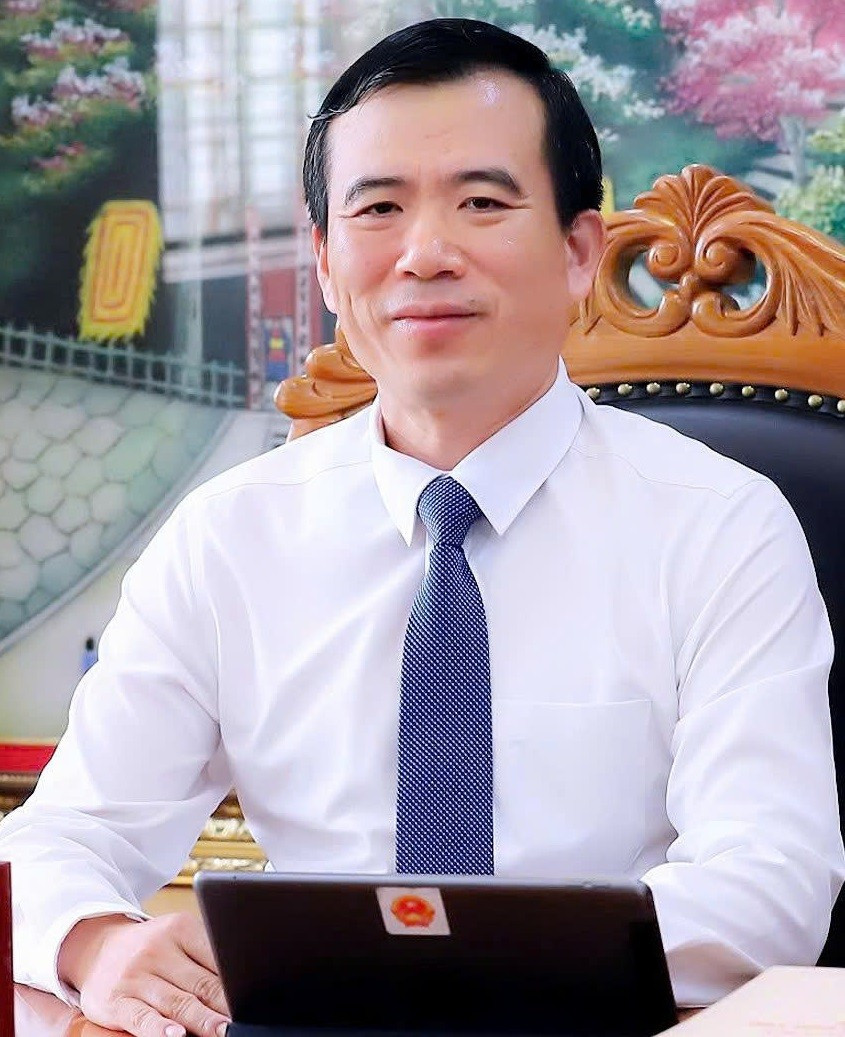
Our country is currently in a historically significant phase of implementing a revolution to streamline the organizational structure of the political system, merging administrative units at all levels and operating a two-tiered government apparatus. This is having a major impact and creating new momentum for all sectors and fields, including education and training.
Firstly, establishing a two-tiered (provincial and commune) administrative structure will create unified direction and management, increasing the effectiveness of education administration. Instead of going through the district level, the system of direction from the Department of Education and Training to communes, wards, and schools will now be more direct and seamless. This will reduce overlapping and fragmented responsibilities among local government levels in education management, creating favorable conditions for faster, more synchronized, and unified implementation of professional tasks.
Restructuring the school network in a rational, efficient, and practical manner, tailored to the needs of the population, helps to scientifically replan the school network, avoiding fragmented distribution and wasted resources (such as numerous small schools in the same area). Focus investment on infrastructure and teaching equipment for key schools, improving the quality of teaching and learning. Support the organization of multi-level and integrated school models, especially in rural and mountainous areas, to reduce management costs while still ensuring students' right to education.
When the administrative apparatus is streamlined, the resources saved (staffing, recurrent expenditure) can be prioritized and allocated to the education sector, such as: renovating and upgrading school facilities; equipping schools with modern teaching equipment; and providing policy support for poor students and teachers in disadvantaged areas. At the same time, the reorganization of schools, coupled with reasonable staff reduction, helps to balance the teaching staff according to the actual needs of each region, avoiding localized surpluses and shortages. This creates opportunities to recruit and reassign qualified and capable administrators and teachers, gradually replacing those who do not meet the requirements.
Streamlining the administrative apparatus means restructuring the leadership and management team in the education sector. Only those with sufficient qualifications, capabilities, and prestige will be selected. When the administrative apparatus is reduced in number but increased in quality, state management agencies and schools will have the conditions to focus on improving the professionalism and quality of the education management staff.
Recently, Resolution No. 142/2025/ND-CP of the Ministry of Education and Training, which stipulates the delineation of authority between two levels of local governments in the field of state management, has expanded the scope and granted more autonomy to provincial and commune-level People's Committees. This increases self-reliance, creativity, accountability, and practical management tailored to local characteristics.
This helps organizations implement educational tasks and policies more effectively, minimizing overlaps and shortcomings in management. It strongly promotes the "autonomy and accountability" mechanism in educational institutions, especially in the context of reforming the general education curriculum and the digital transformation of the education sector. Schools can be more proactive in organizing teaching and learning, utilizing finances and human resources, and improving the overall quality of education.
Streamlining the administrative apparatus necessitates innovation in leadership thinking, management methods, and operations; strong application of science and technology, and digital transformation to reform administration, save time, reduce labor costs, and improve work efficiency. This creates opportunities to promote deeper digital transformation in the education sector in management and teaching.
Streamlining the political system, merging administrative units, and reorganizing the two-tiered government structure creates a more efficient, flexible, and substantive management ecosystem. The education sector not only benefits administratively but also has a great opportunity for profound reform, comprehensive quality improvement, adaptation to the context of digital transformation, and fundamental, comprehensive educational innovation. Importantly, alongside these advantages, the sector needs to proactively adapt and be ready to innovate in its organization and operations to maximize the opportunities presented by the streamlining process.
Mr. Nguyen Tan - Director of the Department of Education and Training of Hue City: Timely resolution of obstacles directly from the grassroots level.
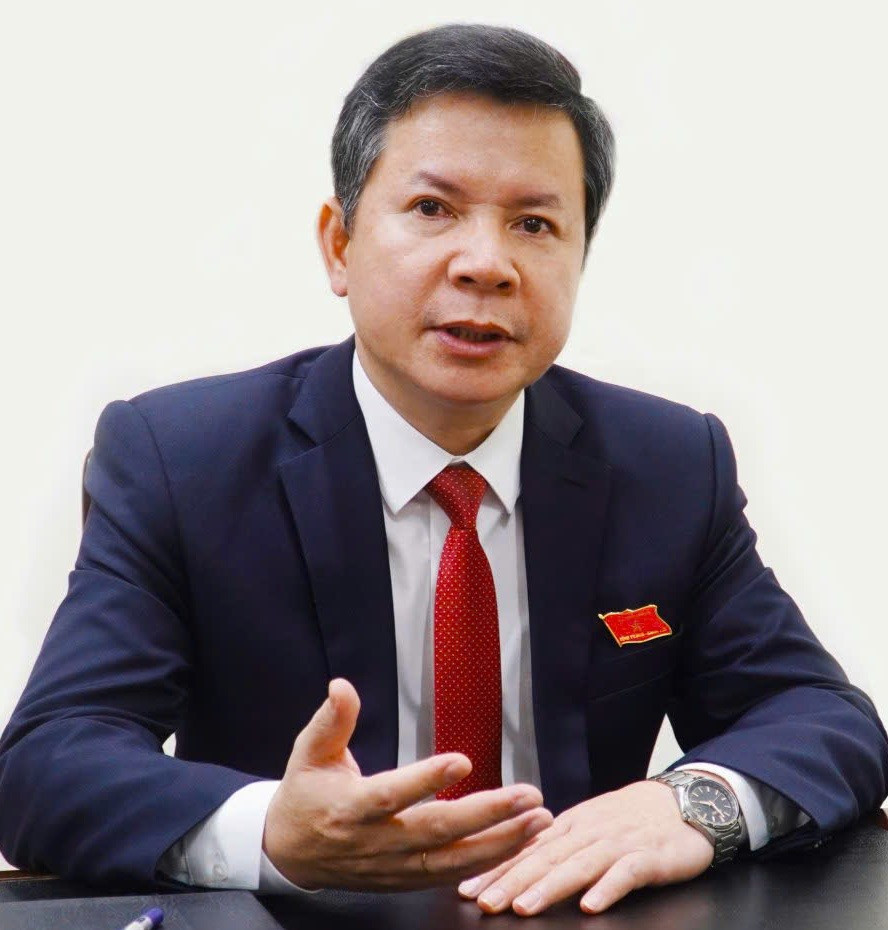
Education is the responsibility of the entire nation. The goal of education is to develop well-rounded individuals. The principles of education are student-centered, combining education from schools, families, and society.
Throughout its history, at each stage and period, Vietnamese education has undergone reforms and achieved certain successes alongside the country's development and innovation, making a positive contribution to the overall achievements on the path to building a democratic, just, and developed Vietnamese state.
However, to achieve the development goals with the perspective that "Education development is a top national priority, investing in education is investing in development and the future," looking back, we still see many bottlenecks and shortcomings that need to be addressed and improved. First and foremost, there is a lack of connection and interoperability within the system, a lack of coordination between the management entity and the quality of training products; and a lack of uniformity between sectoral and territorial management...
Transitioning to a two-tiered local government model presents both challenges and numerous opportunities.
In terms of challenges, the task of managing education across a wider area, directly and on a larger scale, requires rapid adaptation of the organizational structure.
In terms of opportunities, implementing a two-tiered government system enhances the accountability of specialized management agencies at the provincial level and state administration at the commune level, unlocking investment resources for education. Local state administrative agencies ensure the conditions for educational development.
The specialized agency is fully responsible for quality, ensuring in-depth professional management and the work of the teaching staff, based on the principle that the quality of teachers determines the quality of education. This addresses existing problems such as localized teacher shortages and surpluses, the conflict between the development of the school network and population size, and the availability of resources.
Implementing a two-tiered government system, reducing the number of administrative units at the district level, and in the case of education, reducing the number of education management departments at the district level, is also an advantage. This allows provincial-level departments to be closer to the grassroots level and more practical; overcoming the limitations of issuing policies from a "de-lying office" and providing timely guidance and resolving difficulties directly from the grassroots level in carrying out professional tasks.
Effectively managing relationships based on clear tasks, clear management roles, clear outcomes, and clear responsibilities avoids overlapping and neglecting responsibilities. Simultaneously, addressing the problem of excessive focus on achievements in education is crucial through a mechanism of joint promotion and supervision between the two entities: government agencies and professional implementation.
Centralized management enhances the autonomy of educational institutions, facilitating the development of modern school governance; it allows for a scientific review and reallocation of staff, ensuring sufficient personnel in the right positions; and it opens opportunities for capable individuals to take on responsibilities and develop within a broader, more specialized environment. Expanding the geographical scope also enables schools to collaborate, share resources, experiences, and effective operational models; particularly in terms of autonomy and accountability when implementing the new General Education Program, digital transformation, and life skills education for students.
It can be said that, by effectively addressing quality issues, relationships, and overcoming challenges, this presents an opportunity for quality and sustainable development of education in the new era, with many new opportunities arising from the central government's policies on education and training.
Ms. Le Thi Hong Anh - Vice Principal of Vo Van Kiet High School (Ho Chi Minh City): Unified and consistent direction, management, inspection, and evaluation of educational activities.

The merger of administrative units will result in each locality having a larger scale, a larger population, and more schools, which means a significant increase in the internal capacity of the education sector. In particular, the implementation of a two-tiered government system brings many positive benefits, helping to streamline the administrative apparatus, reduce staffing levels, and enhance the efficiency of management and the effective use of facilities and personnel.
Specifically, the merger of provinces and cities nationwide, as well as the consolidation of Ho Chi Minh City, Ba Ria - Vung Tau, and Binh Duong into the (new) Ho Chi Minh City, has helped reduce the number of administrative units, streamline staffing, thereby reducing management costs and increasing operational efficiency. Significantly, centralized management at one point allows for unified and consistent direction, operation, inspection, and evaluation of educational activities.
Furthermore, mergers can help maximize the use of school facilities and equipment, ensuring that all schools, especially those in remote and rural areas, have the best possible infrastructure to support teaching and learning. This also allows for more flexible teacher allocation, tailored to the needs of each educational level.
In particular, the merger could facilitate the development of a unified and interconnected educational program and plan across different levels of education, enhance professional activities, and foster the training of teachers and gifted students. For Ho Chi Minh City specifically, the merger will bring about positive changes, creating opportunities for the education sector to improve the quality and efficiency of its operations and expand its scale, aiming to become a major educational center of the country.
In reality, the initial phase after the merger, alongside positive aspects, may involve some areas that are not yet fully developed. However, adjustments and lessons learned will certainly be made during operation, aiming for the best possible results. With this new model, education will develop more effectively, better, and more closely aligned with the needs of the people. Besides reducing intermediate levels and management personnel, this will create conditions for selecting highly qualified and skilled managers, especially those with expertise in digital transformation.
Mr. Nguyen Van Ngai - former Deputy Director of the Department of Education and Training of Ho Chi Minh City: Community is strength, creating momentum for education to develop more strongly.
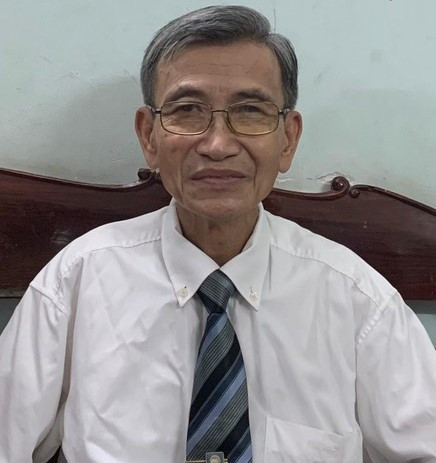
I believe that the establishment of a two-tiered government system is a major reform, a policy that has been carefully considered by the Party and the State, based on the realities of our country as well as effective models from other countries around the world. The mergers in general, and in each sector in particular (including education), still focus on promptly and accurately meeting the needs of the people.
At the same time, it is necessary to improve the quality of work in the digital age to promote local development, contributing to the development of the whole country in each field, and thus contributing to the overall national development. Of course, to achieve this, the key leadership personnel in the education sector are very important and must be given attention in terms of training and development, in addition to individual efforts.
In reality, the merger of administrative units is not simply a change in administrative boundaries, but also poses new requirements in the organization, management, and development of many fields, including education. When implementing a two-tiered government model, education develops in a direction of clearer decentralization of management. Because, more than anyone else, the educational needs of children in communes and wards are better understood than any other local authority. No one knows the exact number of students entering the first grade each year, and from there, they can plan the construction of schools and classrooms to meet the educational needs of the people.
I believe that with a two-tiered government system, the education sector will have greater autonomy and flexibility in its organization and management, ensuring quality, stable development, and long-term sustainability in the new context. Local authorities will focus on attracting, training, and developing teachers, prioritizing investment in facilities and teaching equipment for schools lacking resources, especially supplementing teaching equipment according to the 2018 General Education Program. Simultaneously, they will continue to pay attention to teachers' living conditions through recurrent budget allocations... Through this, the education sector will have better conditions to further improve quality and achieve the highest possible results.
The goal after the merger is to create conditions for consolidating the strengths of the localities, as each place has its own strengths, now combined into a whole, thereby creating momentum for stronger educational development. Of course, implementation must follow appropriate steps and a roadmap.
Prior to the merger, Ho Chi Minh City, Binh Duong, and Ba Ria - Vung Tau had all achieved remarkable successes in educational development, providing a favorable foundation for further improving quality in the post-merger phase. Therefore, the new Ho Chi Minh City also needs to accurately assess the strengths of each area, address weaknesses, identify areas for improvement, and develop specific plans to achieve the set goals.
Source: https://giaoducthoidai.vn/34-tinh-thanh-sau-sap-nhap-co-hoi-moi-van-hoi-moi-cho-giao-duc-post740488.html










































































Comment (0)