

Drinking matcha tea daily helps keep the brain alert, reduces stress, controls weight and blood sugar, supports gut health, and aids in weight loss.
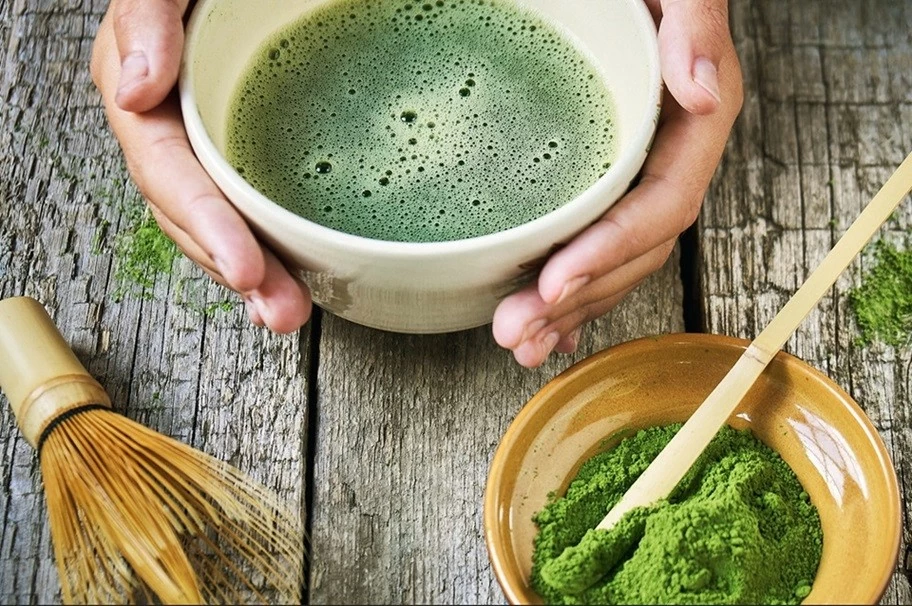 |
| Drinking matcha green tea offers many health benefits. (Source: BigStock) |
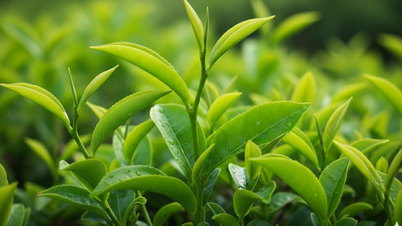
Matcha tea, originating from Japan, is made from the leaves of the Camellia sinensis plant, ground into a powder. This type of tea is becoming popular due to its unique growing conditions, high nutritional content, delicious flavor, and low calorie count.
Unlike regular green tea, matcha plants are shaded by bamboo mats during their growth, resulting in a higher chlorophyll content and giving the leaves a vibrant green color.
When consumed as tea, the entire leaf is used. Drinking matcha green tea offers numerous health benefits, including:
Rich in Polyphenols
The polyphenol compounds in matcha are known for their ability to protect the body against disease.
Boost brain health
Caffeine and L-theanine in matcha improve brain function and alertness, and may help prevent neurodegenerative conditions.
Reduce stress
The amino acid L-theanine in matcha has a calming effect by increasing levels of the relaxing neurotransmitter GABA.
Cardiovascular health
Matcha may reduce the risk of heart disease and help control cholesterol.
Bone health
Green tea, like matcha, may help strengthen bones and reduce the risk of fractures. Numerous studies have shown that EGCG in matcha can reduce the number of osteoclasts, the cells that destroy bone, and increase the number and activity of osteoblasts.
Weight control
Matcha can boost metabolism and burn fat, especially when combined with regular exercise.
Control blood sugar levels
The compound quercetin in matcha is believed to regulate insulin secretion and enhance insulin sensitivity.
Gut health
EGCG in matcha helps support gut health by fighting harmful bacteria and promoting the growth of beneficial bacteria in the gut.
How to prepare and things to note when drinking matcha green tea.
To make matcha tea, sift 1-2 teaspoons of matcha powder into a bowl, add hot water, and whisk until frothy. While matcha is generally safe, it does have a higher caffeine content.
People sensitive to caffeine, including pregnant women, should limit their intake. Tea should be consumed away from meals to avoid interfering with iron absorption.
Additionally, when buying matcha, look for a variety that is a vibrant green color, has a smooth texture, and is packaged appropriately to minimize exposure to air and light. High-quality matcha will have a fresh, grassy aroma with a hint of sweetness.
Source
![[Photo] Closing Ceremony of the 10th Session of the 15th National Assembly](/_next/image?url=https%3A%2F%2Fvphoto.vietnam.vn%2Fthumb%2F1200x675%2Fvietnam%2Fresource%2FIMAGE%2F2025%2F12%2F11%2F1765448959967_image-1437-jpg.webp&w=3840&q=75)
![[Photo] Prime Minister Pham Minh Chinh holds a phone call with the CEO of Russia's Rosatom Corporation.](/_next/image?url=https%3A%2F%2Fvphoto.vietnam.vn%2Fthumb%2F1200x675%2Fvietnam%2Fresource%2FIMAGE%2F2025%2F12%2F11%2F1765464552365_dsc-5295-jpg.webp&w=3840&q=75)










































![[OFFICIAL] MISA GROUP ANNOUNCES ITS PIONEERING BRAND POSITIONING IN BUILDING AGENTIC AI FOR BUSINESSES, HOUSEHOLDS, AND THE GOVERNMENT](https://vphoto.vietnam.vn/thumb/402x226/vietnam/resource/IMAGE/2025/12/11/1765444754256_agentic-ai_postfb-scaled.png)














































Comment (0)