

1. Important nutrients found in bone broth
Bone broth, or bone stock, is a traditional way our ancestors used to utilize various parts of animals—bones, marrow, skin, feet, tendons, and ligaments—that we couldn't eat directly. These parts were boiled and simmered to extract the liquid. This boiling process causes the bones and ligaments to release compounds such as collagen, proline, glycine, and glutamine, nutrients beneficial to health.
Bone broth can be likened to "nature's multivitamin." According to Dr. Lien Huong from the Vietnam Institute of Applied Medicine, animal bones contain a large amount of minerals as well as 17 different amino acids, collagen, and gelatin. Bone broth, especially when simmered with animal skin, contains more keratin, collagen, and GAGs (complex carbohydrates that can participate in many bodily processes).
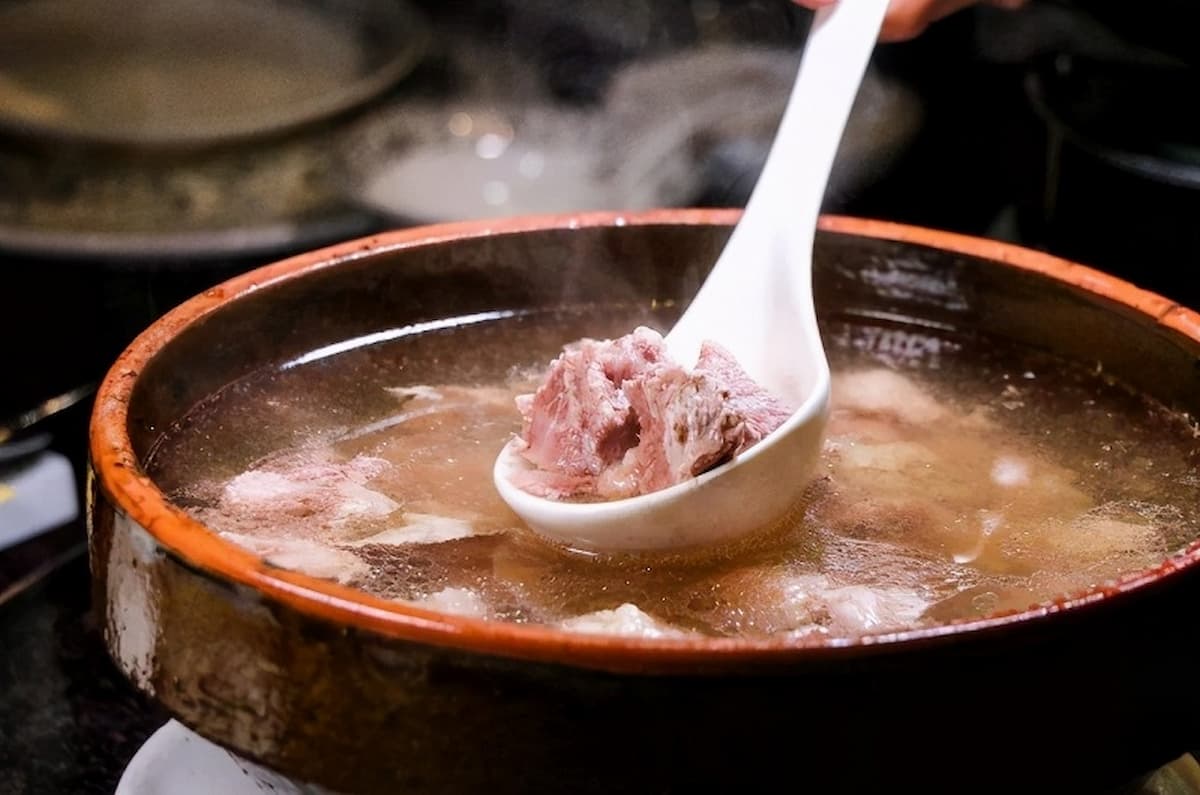
Bone broth contains many nutrients that are beneficial to health.
The important nutrients found in bone broth include:
Glycosaminoglycans (GAGs)
Glycosaminoglycans play a key role in maintaining and supporting collagen and elastin, filling the space between bone and various other fibers. Research shows that GAGs also support digestive health because they help repair the intestinal lining.
Some important GAGs found in bone broth include glucosamine, hyaluronic acid, and chondroitin sulfate.
Glucosamine
There are two main types of naturally occurring glucosamine: hydrochloride and sulfate. Both help maintain the integrity of cartilage, the rubbery substance in joints that acts like a natural cushion.
Glucosamine can be depleted as we age, so an easy and relatively inexpensive way to support joint health and obtain natural glucosamine is to drink plenty of bone broth. Bone broth helps support cartilage loss, acting as an alternative to expensive glucosamine supplements.
Hyaluronic acid
Found throughout connective tissue, epithelium (skin), and nerves, hyaluronic acid contributes to cell proliferation, differentiation, and minimization. This allows our cells to perform various functions throughout the body. It also supports healthy aging, cell rejuvenation, and skin firming.
Chondroitin sulfate
Chondroitin sulfate is a beneficial glycosaminoglycan found in the articular cartilage of all animal species. It is commonly used to support joint health and flexibility, especially when combined with glucosamine.
Studies have found that chondroitin supplementation supports the inflammatory response as well as cardiovascular health, bone health, skin health, and healthy cholesterol levels.
Minerals and electrolytes
Bone broth provides essential minerals, including electrolytes, in an easily absorbable form. Electrolytes found in bone broth include calcium, magnesium, potassium, and phosphorus.
These are essential substances for supporting healthy circulation, bone density, nerve signaling function, cardiovascular health, and digestive health.
Bone broth also contains an ideal balance of sodium and potassium to support cellular health and efficiency, as well as prevent electrolyte imbalances.
Collagen
Collagen is the main structural protein found in the human body, helping to form connective tissue and "seal" the protective lining of the digestive tract. It has a smooth, gel-like structure that covers and holds bones together, allowing for flexible movement.
Amino acids
Gelatin in bone broth contains the "conditional" amino acids arginine, glycine, glutamine, and proline. Conditional amino acids are those classified as non-essential amino acids but are necessary under certain conditions. The body doesn't produce them as well if we are sick or stressed.
2. What are the health benefits of using bone broth?
Protect your joints
As we age, our joints wear down and become less flexible. Bone broth is one of the best natural sources of collagen. When bone broth boils, collagen from animal parts is released into the broth and is easily absorbed to help repair cartilage.
One of the most valuable components of bone broth is gelatin. Gelatin acts as a soft cushion between bones, allowing them to move without friction. This helps reduce pressure on aging joints and supports healthy bone mineral density.
Improve gut health
Studies show that gelatin is beneficial for restoring the strength of the intestinal lining and combating food sensitivities (such as to wheat or dairy). It also helps promote the growth of good bacteria in the gut. Unlike many other foods that are difficult to break down completely, eating bone broth is easy to digest and soothes the digestive system.
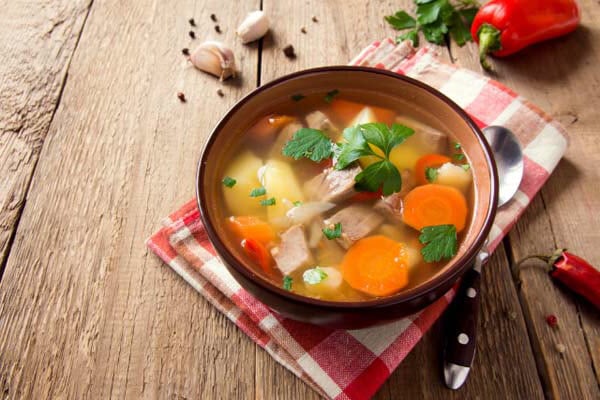
Consuming bone broth helps support healthy digestion.
Maintain healthy skin.
Collagen helps form elastin and other compounds in the skin responsible for maintaining skin tone, texture, and a youthful appearance. The integrity of collagen is recognized as helping to reduce visible wrinkles, lessen puffiness, and combat many other signs of aging.
Supports immune function
One of the most notable things about bone broth is its benefits for gut health. And when the gut is healthy, the function of the immune system is also strengthened.
Leaky gut syndrome occurs when undigested particles from food seep through small pores in the weakened lining of the intestine and enter the bloodstream, where the immune system detects them and overreacts. This increases inflammation and leads to dysfunction throughout the body.
Bone broth is one of the most beneficial foods to consume to restore gut health and thus support healthy immune system function and inflammatory responses.
Detoxify the body
Bone broth is considered a good detoxifier because it helps the digestive system eliminate waste and promotes the liver's ability to remove toxins. It also helps maintain tissue integrity and improves the body's utilization of antioxidants.
Source


![[Image] Close-up view of the interchange connecting the two expressways and Long Thanh Airport.](https://vphoto.vietnam.vn/thumb/1200x675/vietnam/resource/IMAGE/2026/05/25/1779703378210_ndo_br_z7863716673926-224453a31600126cce10622af6290afd-4549-jpg.webp)


![[Image] Hanoi's urban life under the challenge of a "scorching hot" environment](https://vphoto.vietnam.vn/thumb/1200x675/vietnam/resource/IMAGE/2026/05/25/1779706979265_nang-nong-t5-2026-minh-duy-7-4636-jpg.webp)






















































































Comment (0)